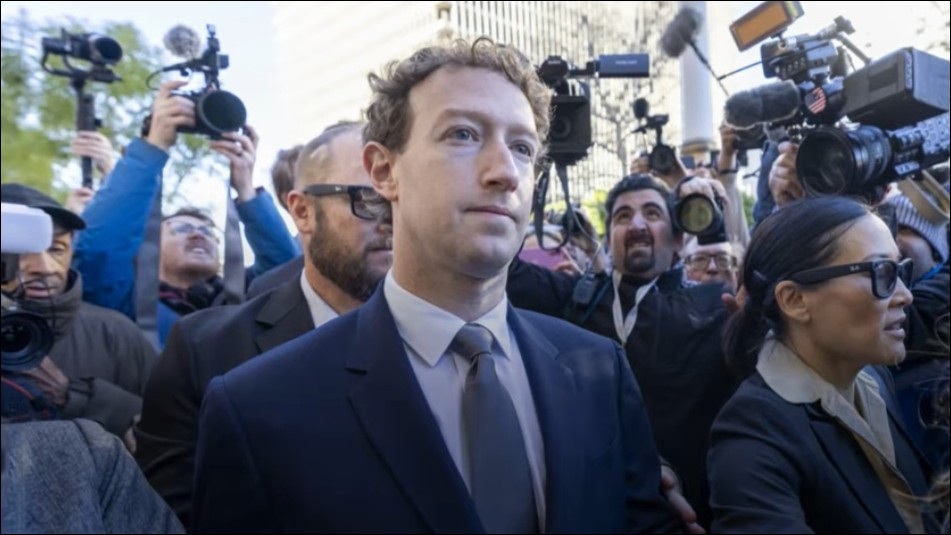

Meta CEO Mark Zuckerberg has taken the stand in a landmark civil trial centred on social media addiction and denied that increased engagement is a key goal for Instagram.
Zuckerberg appeared before the jury in Los Angeles Superior Court this week in a watershed civil lawsuit accusing Meta's Instagram of deliberately building its platform to get young people addicted and consequently having a detrimental impact on their health.
The case has been brought by a 20-year-old woman known to the court as KGM and her mother, Karen.
KGM’s social media usage began when she was 10 years old.
Her lawyers claim she developed a “dangerous dependency” on these social media platforms and this led to “anxiety, depression, self-harm and body dysmorphia”.
The case previously included Snap and TikTok, but these companies have since settled for an undisclosed sum of money.
The trial will centre on the very design of these social media platforms and their algorithmic feeds, rather than the content they host.
The case marks the first time Zuckerberg has appeared in court in front of a jury.
Engagement KPIs
Lawyers for KGM showed the jury emails from 2014 and 2015 in which Zuckerberg detailed an aim to increase the time users spend on Instagram by double-digit percentage points.
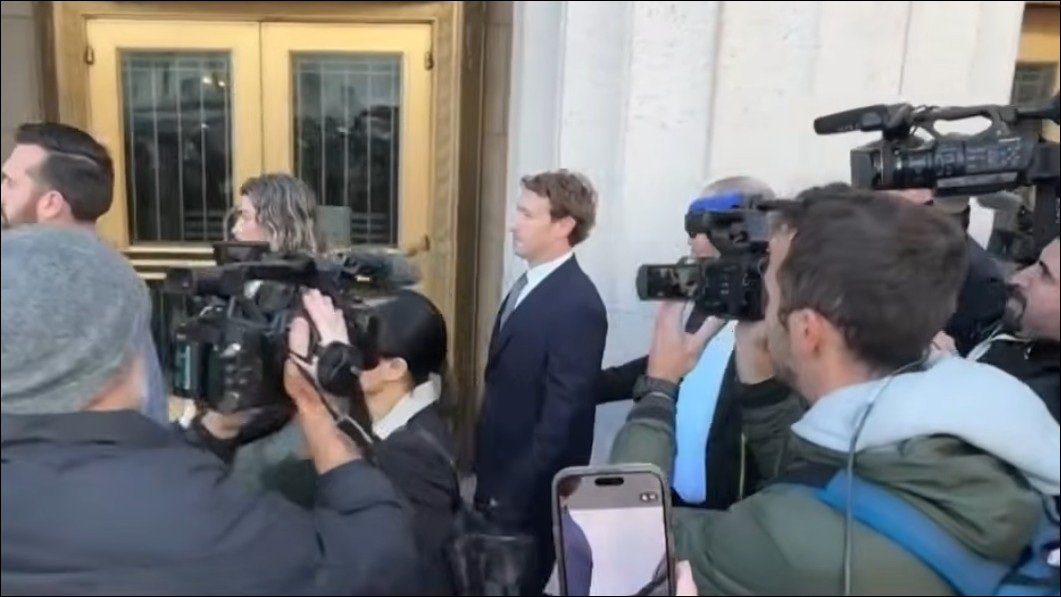
Zuckerberg was flanked by a large support team. Photo: YouTube
They then questioned whether he had misled US Congress in 2024 when he claimed that Meta didn’t give its workers an aim of maximising the time spent on the app.
Zuckerberg said that Meta did previously have goals in relation to time spent on Instagram, but it has since changed this approach and no longer does this.
“If you are trying to say my testimony was not accurate, I strongly disagree with that,” Zuckerberg told the court.
Zuckerberg was also directed to previous evidence of internal goals to increase daily user engagement time on Instagram to 40 minutes by 2023 and 46 minutes in 2026.
In response, the Facebook founder said that the organisation has internal metrics to compare itself to rivals and “deliver the results we want to see”.
Age verification
The lawyers also questioned Zuckerberg over how the company is verifying the age of users to make sure that none are under the age of 13.
He said that the organisation has recently improved how it does this.
“I always wish that we could have gotten there sooner,” he said.
Zuckerberg also said that some users lie about their age and Instagram then makes efforts to identify these profiles and remove them.
“You expect a nine-year-old to read all of the fine print?” the lawyer said in response.
“That’s your basis for swearing under oath that children under 13 are not allowed?”
The presence of beauty filters on Instagram was also raised in the court, with Zuckerberg confirming that the company had consulted with stakeholders about these tools but opted to keep them as a ban was “paternalistic”.
Instagram CEO Adam Mosseri testified at the trial last week and questioned whether anyone can be “clinically addicted” to social media, saying instead that “problematic use” of these platforms is akin to “watching TV for longer than you feel good about”.
When entering the courthouse, Zuckerberg was flanked by his team, some of whom were wearing Meta’s Ray-Ban AI glasses, leading the judge to warn about filming the proceedings.

Some of Zuckerberg's team were wearing Meta's Ray-Ban glasses that can record vision, leading the judge to issue a warning Photo: YouTube
“If you have done that, you must delete that, or you will be held in contempt of the court,” the judge said.
“This is very serious.”
The case will continue for several weeks, and will likely signal the direction of many other lawsuits filed by or on behalf of social media users, and schools and states around the US.
In a statement, Meta rejected the central claims of the lawsuit.
“We strongly disagree with these allegations and are confident the evidence will show our longstanding commitment to supporting young people,” the Meta statement said.
“For over a decade, we’ve listened to parents, worked with experts and law enforcement, and conducted in-depth research to understand the issues that matter most.”
Zuckerberg previously testified at a Meta antitrust case in the US last year, where he denied his company was engaged in a “buy-or-bury scheme”, which means to acquire or crush your rival.
The Australian government has enacted a ban on under 16-year-olds holding social media accounts over many of the concerns raised in the US lawsuit.
From late last year, any designated social media service must take "reasonable steps” to prevent accounts being held by under 16s or risk fines of up to $49.5 million.
Soon after the ban came into effect, Meta said it had blocked 544,000 accounts.