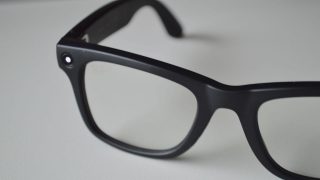

The year ahead is shaping up as a major turning point for augmented-reality glasses, with Meta betting big on the technology despite the privacy backlash surrounding its existing smart glasses.
The tech giant has unveiled its new Meta VR Glasses that use a 5K micro-OLED display and camera to project apps, games and movies into the wearer’s field of view.
Due for release early next year at around $1,850 ($US1,299.99), the glasses are being positioned primarily as an entertainment device, with support for IMAX-scale viewing, Dolby Vision and Dolby Atmos, as well as live sports, gaming, AI and 3D content.
But they can also project apps and Mac or Windows PC desktops, putting Meta alongside a growing field of technology giants betting that screens will soon move from our phones and computers to directly in front of our eyes.
The move comes as smart glasses face growing scrutiny over privacy and surveillance, with Meta’s existing camera-equipped glasses already banned or restricted in some locations and Australian authorities considering tighter rules.
The glasses weigh around 100 grams – about half the weight of an iPhone – but the lightweight design comes with a trade-off.
A fibre-optic tether connects the glasses to a separate ‘puck’ containing the battery, computing power and storage needed to run the device.
The approach echoes Apple’s Vision Pro, a ‘mixed-reality’ headset that debuted in early 2024 but was priced so high that limited sales prompted Apple to cut production earlier this year.
Some have already questioned the future of the Vision Pro, but the technology may simply have arrived too early.
Meta is now entering the market alongside rivals including Samsung, with its Galaxy XR, and Snap, with its Specs, while Apple is reportedly developing smart glasses of its own for release next year and considering a Vision Pro refresh in 2028.

CNBC journalist Julia Boorstin was one of the first to test out the new Meta VR Glasses. Source: YouTube
Meta’s VR Glasses were part of a much broader product launch that also included third-generation Ray-Ban Meta glasses, updates to the Meta Ray-Ban Display AR glasses and new frames arriving from October 13.
More than 100 styles of Meta smart glasses are expected to be available by the end of the year.
A nod to smart-glasses controversy?
Significantly, Meta’s new product lineup includes Ray-Ban Meta Audio, a new style of smart glasses that excludes the other models’ camera but retains speakers and microphones that let wearers listen to music, take calls, and interact with Meta’s AI system with voice prompts.
“Audio has been our most popular feature since day one because our glasses give you high-quality sound without closing you off from the world around you,” the company said in announcing the audio-only model – but there’s much more behind its launch decision.
Despite strong demand for the Ray-Ban and Oakley models of Meta’s smart glasses, the launch of second-generation frames earlier this year created a maelstrom of controversy as the devices – and low-cost knockoffs – flew off shelves, driving widespread privacy fears.
Filming with the glasses has been banned at swimming pools, in cinemas and other spaces, in sensitive areas within airports and government facilities, and has been flagged as a significant security risk within corporate offices.
Last month, Privacy Commissioner Carly Kind said her office is reviewing reforms that will “create additional hurdles for the developers of surveillance wearables” including higher standards around consent and an “expanded definition of personal information”.
Amidst Greens’ calls for a 12-month smart-glasses ban, Prime Minister Anthony Albanese is said to be weighing a federal ban of the devices, weeks after German privacy advocates lodged a criminal complaint and French authorities began investigating device misuse.
One step forward for privacy, two steps back?
Removing the camera from one model may address some privacy concerns, but it does little to suggest Meta is slowing its ambitions for smart glasses.
The company is pursuing what has been described as ‘post-smartphone hardware’, with CEO Mark Zuckerberg also teasing a screenless device called the Muse Charm.
Details remain limited, but Meta describes the Muse Charm as a “delightful and fun device” designed to connect users with their personal Muse, the company’s newly launched AI agent.
Muse is intended to sit at the centre of Meta’s growing ecosystem of connected services and devices, allowing the AI agent to perform tasks on behalf of users.
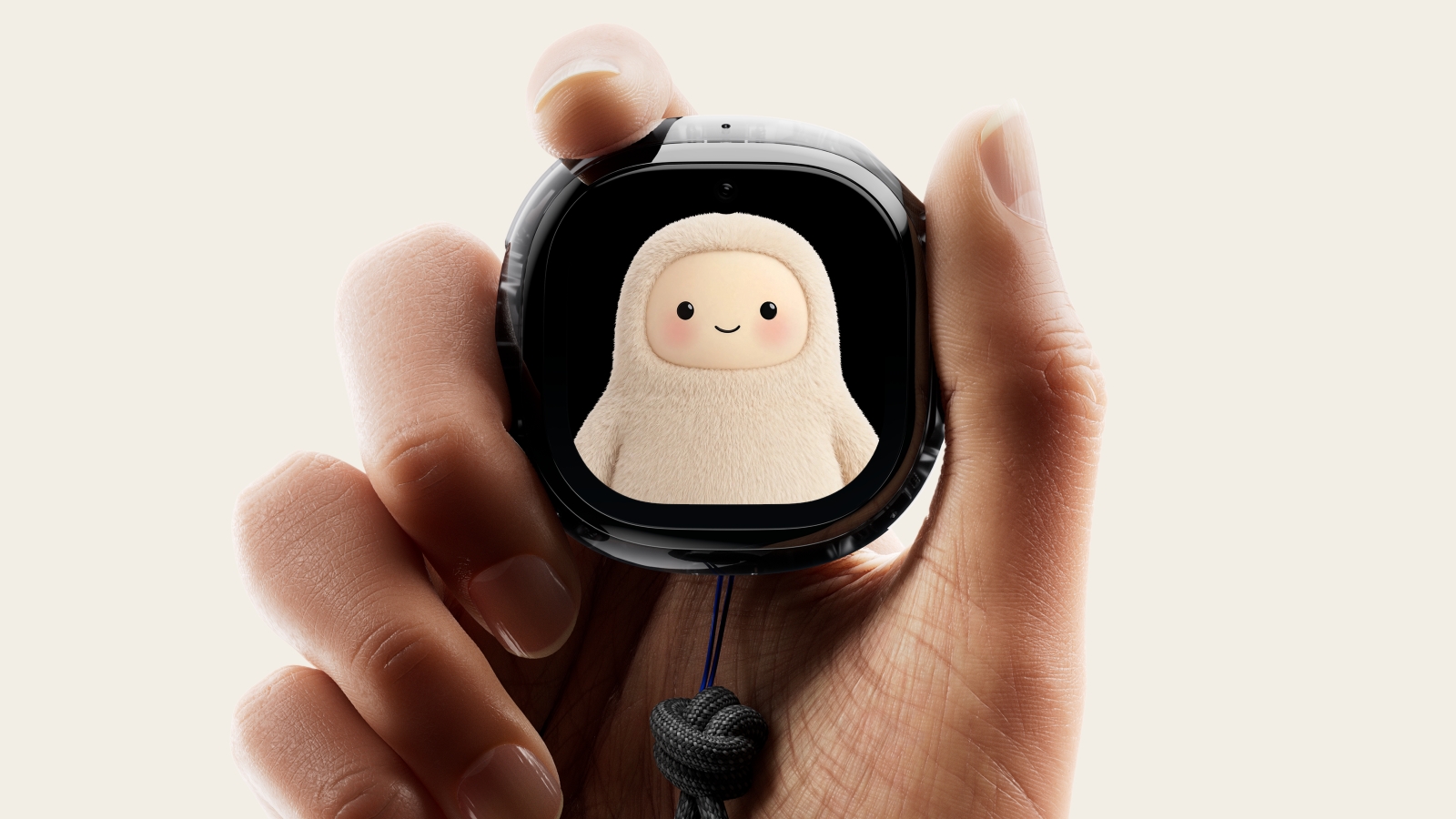
Meta's Muse Charm will connect wearers with the company's AI agent, Muse. Photo: Supplied
Meta says security has been built into the system, with each user’s agent contained within a dedicated Linux virtual machine and communications with the machine encrypted and authenticated.
The company also says Muse will be prevented from accessing the internet without explicit approval from a separate ‘Sentinel’ agent.
How the system performs in practice will become clearer as Meta’s new products reach users.
But the push into AI-powered wearables comes as Meta continues to face questions about its approach to privacy.
A New Mexico jury recently found Meta liable for 43 million privacy violations, delivering another setback for the company as it expands into increasingly personal forms of technology.
The risks extend beyond the devices themselves, according to UNSW Business School professor Tania Bucic, who researches responsible AI development.
“Emerging technologies like AI keep evolving after launch in the hands of users, in new contexts, and at a pace and scale no one tested for,” Bucic said.
“For AI companies, this gap is where much of the risk now sits,” Bucic said.
“A model can pass every pre-release evaluation and still behave in unexpected ways once it is given tools, connected to real systems and deployed by millions of users.”