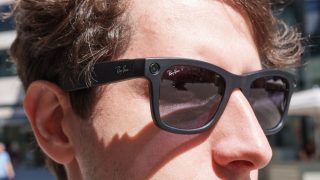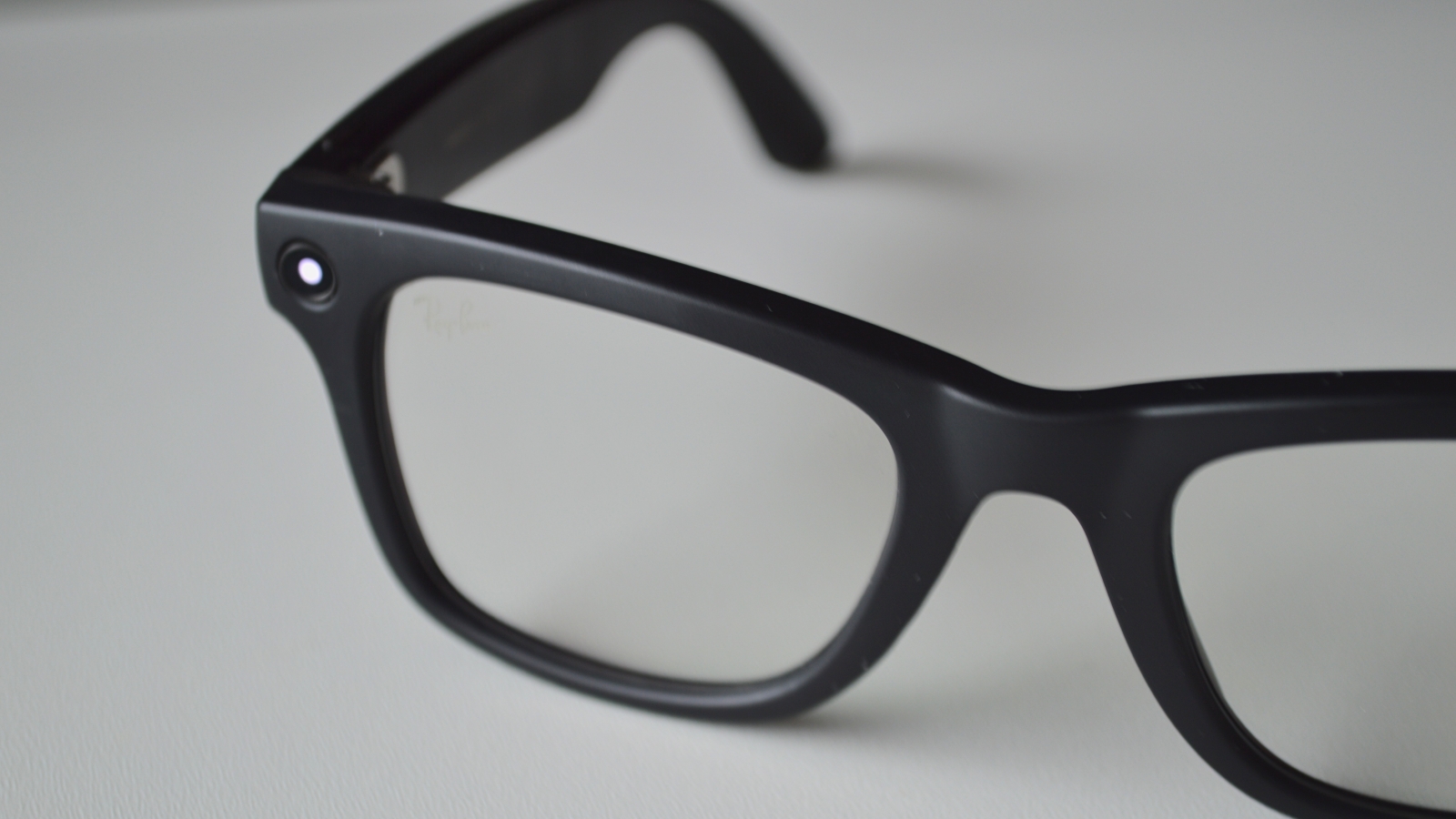

Major retailer Kmart has stopped selling its low-cost Anko camera glasses online and other retailers are evaluating their options, after Australia’s privacy regulator announced an investigation into the Chinese company that makes their companion app HeyCyan.
Prompted by an attorney-general request for information about the fast-growing smart glasses industry, the Office of the Australian Information Commissioner (OAIC) has been contacting device makers for more detail about how their glasses work, who can access the recorded information, and where that data is stored.
Of the four entities contacted – Kmart and BDI Technology, Chinese software provider Shenzhen Qingcheng, Meta, and Google – the OAIC received no response from Shenzhen Qingcheng, whose HeyCyan app provides the user interface for Anko and other low-cost smart glasses.
Like competing offerings from Meta and the ‘intelligent eyewear’ Google plans to announce within weeks, HeyCyan provides features such as real-time translation, hands-free navigation, capture of photo and video, music, phone call and AI assistant support.
An absence of detail about the app’s workings “raises concerns about the entity’s practices, procedures and systems to protect the personal information it holds,” Privacy Commissioner Carly Kind said.
Such obligations are imposed by the Privacy Act and Australian Privacy Principle (APP) 1, which imposes a “constant” requirement for the “open and transparent management of personal information” that is collected about Australians.
Users of compatible smart glasses sold by Kmart, Big W, Amazon, and other retailers, must sign up to HeyCyan and connect their smartphone to the app, the OAIC noted, in a step that “involves information gathered by the glasses being collected via the HeyCyan app for processing.”
“To the extent that smart glasses are collecting personal information… in great volumes… without the knowledge of affected individuals,” Kind said, “the onus on the providing entity to ensure that personal information is secure from misuse, interference, [loss] and unauthorised access or disclosure is even greater.”
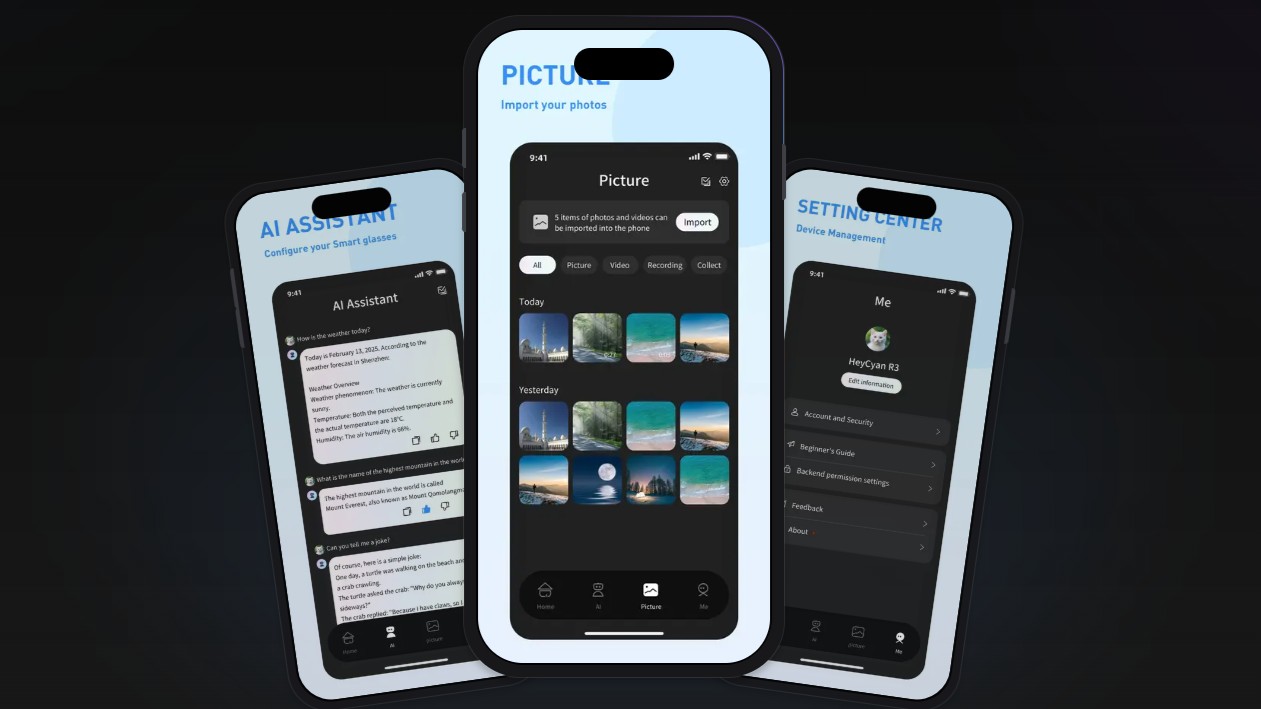
The HeyCyan app is required to use several types of budget smart glasses sold in Australia. Image: HeyCyan
Retailers taking concerns on notice
Given concern about misuse of smart glasses – whose use has begun to be banned in some public spaces – Kind said that “given the particular risks the OAIC has identified with the HeyCyan app, I would urge responsible retailers to consider whether it is appropriate to continue making these devices available.”
On the same day the OAIC investigation was announced, Kmart reportedly stopped online sales of its popular $89 Anko camera glasses, whose widespread availability and low price had seen them sell out nationwide, even as they fuelled outrage over their privacy implications.
Big W’s AI Smart 4K Camera Glasses are “temporarily out of stock or discontinued”, but as of press time the company was still selling its $89.99 Mini Camera Glasses, while Amazon offers cheap camera glasses from generic Chinese brands like Veunext, Hwagol, COOCMDTA and Kivano.
Kogan sells well over a dozen different styles of camera glasses, while Meta Australia continues to sell its range of more than 100 styles of smart glasses and will soon expand into augmented reality specs.
Several optical and online retailers did not respond to requests for comment, and enquiries to Kmart were directed to the Australian Retail Council, whose CEO Chris Rodwell told Information Age that it is monitoring the situation and liaising with its members.
“From our current understanding, the investigation concerns how the [HeyCyan] app developer handles personal information,” he said, adding that “customers who choose to use the companion app sign up to the developers’ terms and privacy policy.”
“The glasses are legal to sell in Australia, and people using their recording features must comply with applicable laws.
“… We are sharing [OAIC] advice with members and seeking further detail.”
An early volley in a fruitless war?
The OAIC’s formal investigation of the privacy practices of Shenzhen Qingcheng, which also saw Kind contacting makers of HeyCyan-compatible glasses, will let her “utilise my full range of powers to examine this issue,” she said, “including issuing compulsory information gathering notices”.
The decision to target the maker of the app, rather than the Australian retailers selling the devices, is also a response to ongoing assessments that despite their potential for problematic use, current privacy laws simply can’t stop individuals from filming in public.
That hasn’t quelled the political uproar over smart glasses, with the Australian Greens pushing for a 12-month import ban and privacy law reforms that “prevent big tech companies selling covert surveillance as a fashion accessory.”
The concerned letter from the attorney-general which sparked the process that led to the HeyCyan investigation, “was about as useful as an inflatable dartboard when it comes to protecting people’s privacy,” Greens leader David Shoebridge said.
“It’s time our laws caught up, and that’s going to require more than a letter to a bureaucrat.”