
They’re selling like hotcakes, but video-capable smart glasses from Meta and others are also surfacing inconvenient legal truths, with Australia’s privacy commissioner promising policy changes as legal experts concede there is little legal recourse for those concerned about the glasses’ use.
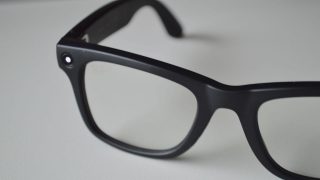
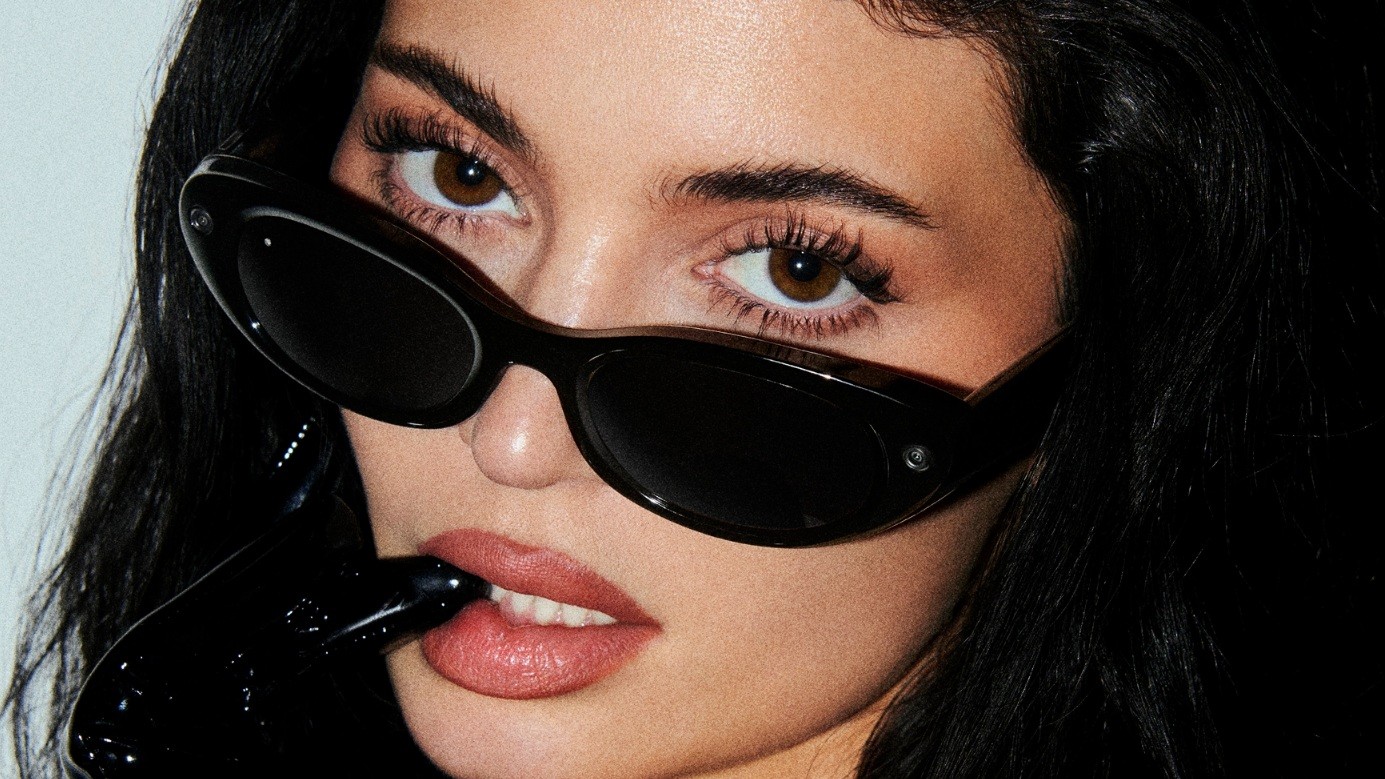
Meta launched first-generation glasses last year via partnerships with sunglass brands Ray-Ban and Oakley, but controversy recently flared with the release of second-generation specs with better cameras, up to 8 hours’ battery life, improved AI features, and a celebrity tie-in with Kylie Jenner.
Even as tech enthusiasts swarmed – an $89 lookalike from Kmart sold out within hours – privacy advocates rang alarm bells as businesses banned the glasses, child safety advocates labelled them enablers for paedophiles, women’s safety advocates warned of glasses-wearing harassers, and security experts warned of corporate IP and espionage risks.
Although the glasses are far from the first to allow video recording – niche shops have long sold such devices as spy gear, and Google released its lower-powered Google Glass monocle 13 years ago – the uproar grew so quickly that Privacy Commissioner Carly Kind weighed in.
Australians’ privacy concerns “have only increased in the last five years,” Kind wrote, citing Office of the Information Commissioner (OAIC) surveys as evidence that “Australians are discontent with practices such as online tracking, targeted advertising, and biometrics technologies.”
“They have almost no trust in social media and AI companies,” she said – noting that, while many people see smart glasses as just another form of surveillance in a world already populated by CCTV cameras, dash cams, video-capable smartphones and more, “there is a meaningful difference.”
That difference – between place-based surveillance in airports and “certain retail spaces which have been able to meet the relevant thresholds to justify its deployment”, and “surveillance wearables in the hands of every roving individual” – means “exceptions to benign usage” are likely.
The OAIC “is giving serious consideration to the issues raised by surveillance wearables” and has “engaged with one entity on at least two occasions this year,” Kind said, to further understand the devices.
“Beyond safety concerns, there is also the impact on community values and the public interest in privacy,” she wrote, warning “in aggregate, the effects of mainstreamed surveillance wearables would be the emergence of new privacy risks, new safety concerns, and new societal norms.”
But what can be done about the glasses being worn today?
Those norms drove the public outcry against so-called ‘glassholes’ that saw Google drop Google Glass shortly after its introduction – and Dr Margarita Vladimirova, senior consultant in Privacy, Data and AI Governance at ctrl:cyber and a sessional lecturer in Monash University’s Faculty of Law, believes a similar backlash could have similar effects now.
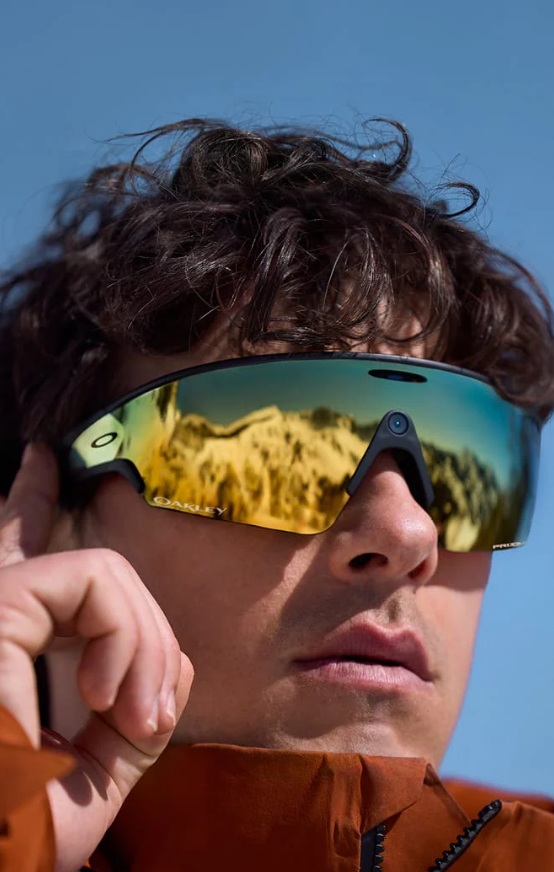
Smart glasses give sports people the opportunity to film themselves in action. Photo: Supplied
The Privacy Act only applies to companies and not individuals, she said while noting that current laws didn’t anticipate future technologies – with legislation like Victoria’s Surveillance Devices Act 1999 (SDA) only covering audio recordings made without the consent of every involved party.
“If you can record audio with these glasses,” she told Information Age, “potentially the SDA can be applied, but in other states it’s not prohibited.”
“Technically, there are no laws that would prohibit you from recording other people in public,” she said, adding that “the more likely near-term outcome is that social norms do the heavier lifting, and laws follow.”
Even the new statutory tort for serious invasion of privacy, which came into effect in June last year and does provide recourse against individuals, probably wouldn’t apply to most smart glasses use because “the bar is very high,” Vladimirova explained.
“It doesn’t make filming illegal, but it creates a remedy” for seriously invasive acts, she added – but “the invasion must be serious” and the plaintiff “must have had a reasonable expectation of privacy [that] is not realistic at the moment” in widely photographed public spaces.
Could AI data harvesting provide a lifeline?
There is strong momentum behind smart wearables and, with Google set to launch ‘intelligent eyewear’ later this year and Apple rumoured to do the same next year, there is every chance smart glasses will become endemic long before local laws catch up to their use.
The devices could ultimately fall under regulation because tech giants see them as a new way of collecting data to train AI models with data collected from the real world – wholesale data collection that could well put smart glasses under the jurisdiction of the Privacy Act.
Meta, which was labelled a “public nuisance” by a judge who this month fined it $800 million ($US567 million) for child protection failures, recently walked back features over privacy issues and was excoriated after contractors were found watching intimate videos recorded with its glasses.
Kind said tighter regulations would require data collection to be “fair and reasonable”, creating “additional hurdles for the developers of surveillance wearables”.
Similarly, the evolving Digital Duty of Care – about which an issues paper was published in May – would put a “proactive obligation on industry… to embed safety by design and requires systemic and preventative action…. to assess and mitigate risk regularly.”
This type of risk diversion has already seen Tesla, as a maker of self-driving car technology, wear financial penalties as regulators put the onus of algorithmic safety on manufacturers rather than the drivers using their technology.
Smart glasses have caught regulators flat-footed, Kind wrote, but as privacy expectations find legal backing “higher standards around consent, more protections on geolocation data and an expanded definition of personal information are likely to strengthen my hand.”