
The commissioners who will lead South Australia’s landmark artificial intelligence investigation have been revealed.
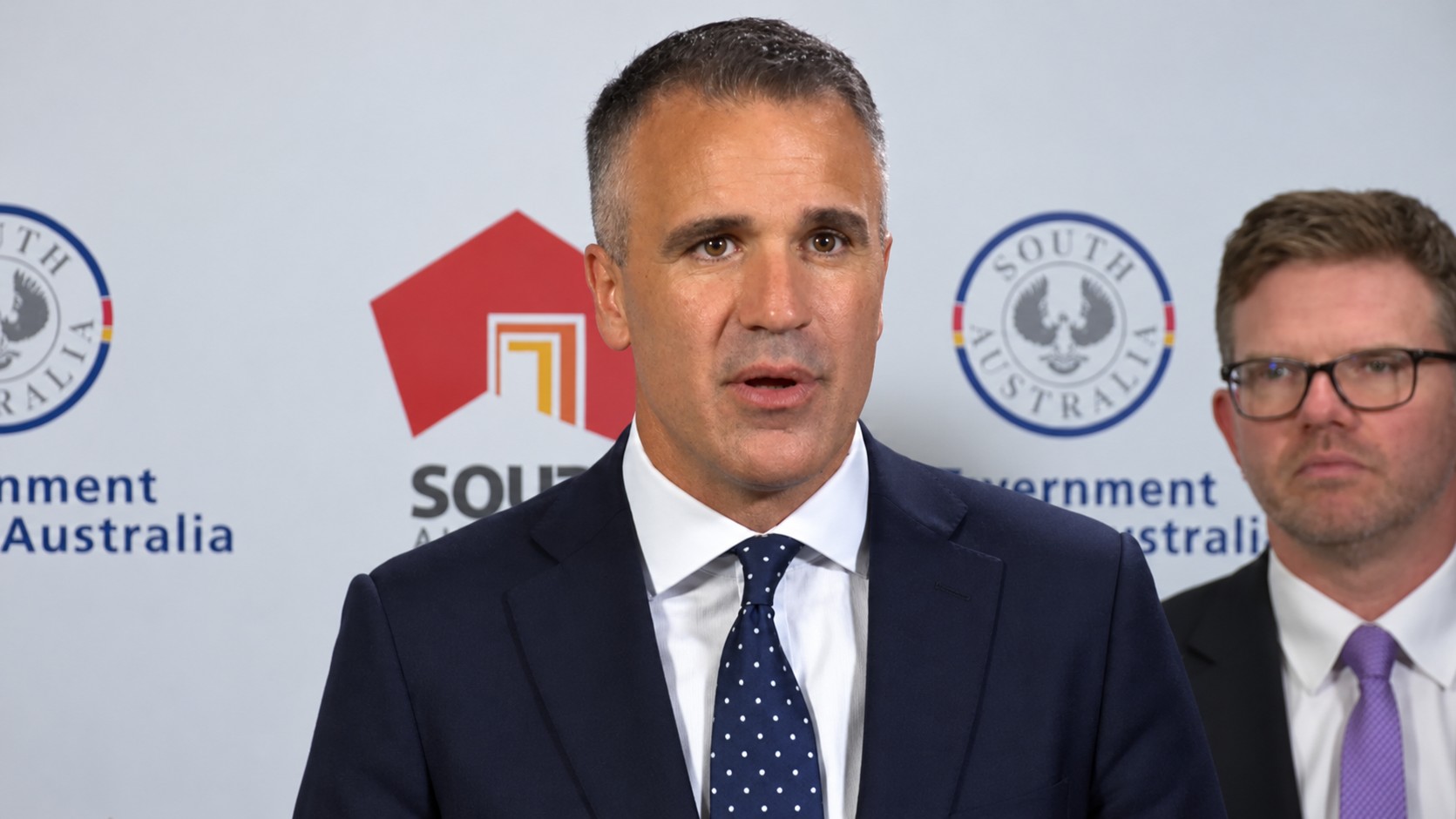
The South Australian Royal Commission into Artificial Intelligence was announced in early August by Premier Peter Malinauskas and will examine the technology’s implications for the state’s economy, workforce, education system and public services.
The panel will be chaired by renowned economist and former Federal Court judge Dr Iain Ross AO, alongside former Tech Council of Australia CEO Kate Pounder and Stanford AI expert Dr Christopher Manning.
The panel has been tasked with examining how the state can maximise the benefits of AI while managing its potential risks and impacts.
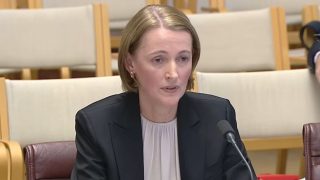
Pounder will bring experience in technology policy and innovation to the inquiry. She led the Tech Council of Australia for two and a half years before stepping down in early 2025.
Since leaving the industry representative organisation, she has led a review of New South Wales’s Innovation System and served as an expert adviser on a review of Cybersecurity Risk and Investment.
Pounder is also chair of RNA Australia and a board director of the Tech Policy Design Institute, Essential Energy and the Museum of Applied Arts and Sciences.
The Commission chair
Ross is the chair of the Net Zero Economy Authority and a member of the Monetary Policy Board of the Reserve Bank of Australia.
He is also an elected Fellow of the Academy of Social Sciences and was previously a Federal Court judge. He led the Fair Work Commission for more than a decade until late 2022.
“Iain’s expertise is critical because one of the key focuses of the Royal Commission is to consider what the implications are of AI on the future of work more broadly,” Malinauskas said.
“We know that AI is already changing the way people live, but most critically the way they work. Iain has a full appreciation of how government policy can have an impact on the way we work.”
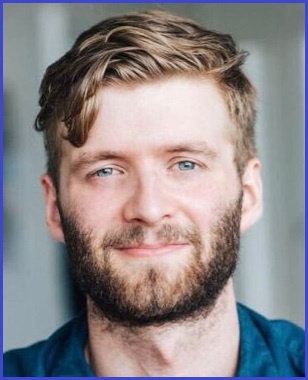
The third commissioner is Manning, a senior fellow at the Stanford Institute for Human-Centered Artificial Intelligence and general partner at AIX Ventures.
Manning is also a distinguished member of the technical staff at Moonlake AI and the inaugural Thomas M Siebel Professor in Machine Learning in the Departments of Computer Science and Linguistics at Stanford University.
He was director of the Stanford Artificial Intelligence Laboratory from 2018 to 2025.
“They start their work today,” Malinauskas told the media.
“There is no point mucking about here, particularly given the speed at which this is moving.”
Terms of reference
The South Australian government has also released the terms of reference for the AI Royal Commission.
It will examine the opportunities, barriers and policy settings needed for AI to improve productivity, innovation and economic growth, including how the technology could transform South Australia’s economy and help local industry compete nationally and globally.
The commissioners will also investigate how the state can capture the social benefits of AI while safeguarding people and society from its potential risks and challenges.
The inquiry will examine how South Australia’s education system should adapt to AI, how the technology could be used to streamline and simplify the state’s regulatory environment, and the opportunities and risks associated with its use across the public service.
The South Australian government has said no state-based AI regulations or policies will be delayed as a result of the Royal Commission.
The inquiry’s scope does not extend to AI infrastructure such as data centres.
The state government expects the Royal Commission to cost up to $3 million.
South Australia recently signed a memorandum of understanding with AI giant OpenAI to “explore opportunities to develop AI skills, accelerate local research and innovation, attract investment and spread the benefits of AI across South Australia”.
The Royal Commission’s final report is due by July next year.