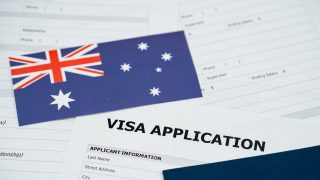

More than 2,800 students were enrolled in a now defunct graduate diploma program over the past month, the government has said in warning that it is watching unscrupulous private colleges and migration lawyers who have been gaming the educational visa system.
Authorities announced on 4 September that the Graduate Diploma of Management (Learning) (GDML) would be deregistered as of 5 October, after revelations that “non-genuine” students were being enrolled in the program to overstay visa limits.
At the time of the announcement, 452 VET providers were registered to deliver the GDML, with 41,033 active confirmed enrolments and 15,772 students studying the course.
Education immigration agents kicked off a mass marketing campaign that saw 1,300 new enrolments lodged and over 1,500 student enrolments brought forward – growing GDML numbers by 18 per cent in one month and attracting a please-explain from Home Affairs.
The government’s crackdown on student visa policies has restricted the number of options students have for changing their visa status while in Australia.
Under the new policies, students can now only change their courses if they need more time to complete a course due to being sick, failing a course or if their provider goes broke; if they transfer onshore; or continue their education with a higher degree.
Higher education students can no longer transfer to higher level VET courses, while holders of working holiday, training, employer and other temporary visas are no longer permitted to transfer to student visas.
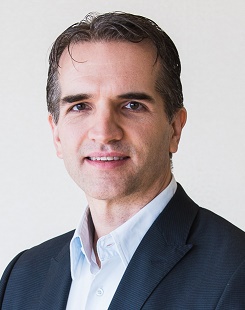
“Continued success in international education requires a ruthless focus on integrity and a great student experience,” Assistant Minister for International Education Julian Hill said in outlining the changes in a speech to the National Migration Conference.
“Australia welcomes genuine students seeking a premium Australian education but the Government will not back down from seeking to manage the size and the shape of the onshore student market.”
Students must now apply for secondary dependent family members on their primary visa application and cannot add additional members after their visa is granted.
And while some students were extending their stays by transferring to a new provider, from 1 July 2027 those students must apply through a new student visa transfer stream, need to have commenced with their original provider, and must have studied for at least 6 months.
Cracking down on migration shonks
As well as tightening visa rules, the government has ramped up scrutiny of “bad actors” – migration agents who, Hill said, have been perpetrating “increasingly sophisticated forms of migration-related misconduct”.
By taking cash from “highly susceptible” and “vulnerable” people with promises to help them stay in Australia, Hill said, those operators were “exploiting them and selling false hope” as they lodged applications using false documentation and misleading information.
Registered migration agents (RMAs) had been caught appointing non-registered ‘ghost agents’ to increase applicant volumes and repeatedly appealing applications they know are likely to be futile – with lawyers caught in “some of the worse, sharpest practice”.
One lawyer lodged generic temporary visa applications for undocumented air arrivals, while another made multiple sponsored parent visa applications with questionable identity documents.
Yet another lodged many employer-sponsored visa applications across multiple occupations and industries; analysis showed many sponsors were registered at the same premises, with some sanctioned or deregistered and some naming temporary visa holders as directors.
Also concerning, Hill said, was “pretty outrageous online advertising by lawyers” seemingly promising to coach people on how to argue for preferential treatment by pretending they’re bisexual, or being persecuted in their home countries.
“That’s not legal representation,” Hill said, but “a misuse of the migration system for profit… this is a subversion of the migration system and needs to stop.”
“Excessive fees are charged for services that either should never have been offered or are highly unlikely to achieve the promised outcome,” he said, noting that 90 per cent of protection applications are currently refused as “non-genuine” at the primary stage.
A similar number of applications are again refused on appeal, he added, warning that “when people lodge non-genuine applications, this wastes resources and leaves genuine cases in limbo for longer…. Supporting unmeritorious claims comes at a very real cost to Australia.”
Keeping order in a climate of fear
Labor’s “measured approach to migration reform” was recently welcomed by Migration Institute of Australia (MIA) national president Sean Choong, who noted that “refocusing resources on immigration compliance will help restore integrity in the migration program.”
The changes come as the Liberals and One Nation rail against migrants in a vitriolic, spiralling political debate that has been rejected by businesses as economically harmful.
Hill cautioned against political discourse in which parties are “dangerously weaponising issues of race and culture while pretending they are not” and “desperately outbidding each other over who would make the biggest cuts, costs be damned!”
“There’s no discernible focus on the national interest,” he said, adding that “it’s all about the vibes and the memes [but] decisions made today shape communities, labour markets, industries and families for decades to come.”
“Long after governments have changed and policy settings have been revised, the effects of migration remain visible in our suburbs, regional towns, workplaces and institutions…. A visitor visa is for a visit – not a backdoor to come and stay for 30 years.”