
Smaller regional centres are now competing with Australia’s major capitals when it comes to career opportunities, according to new data from professional networking platform LinkedIn.
The company’s inaugural Australian Cities on the Rise rankings, which measure hiring growth, new job openings and talent migration, show regional locations gaining momentum as attractive destinations for professionals looking to advance their careers.
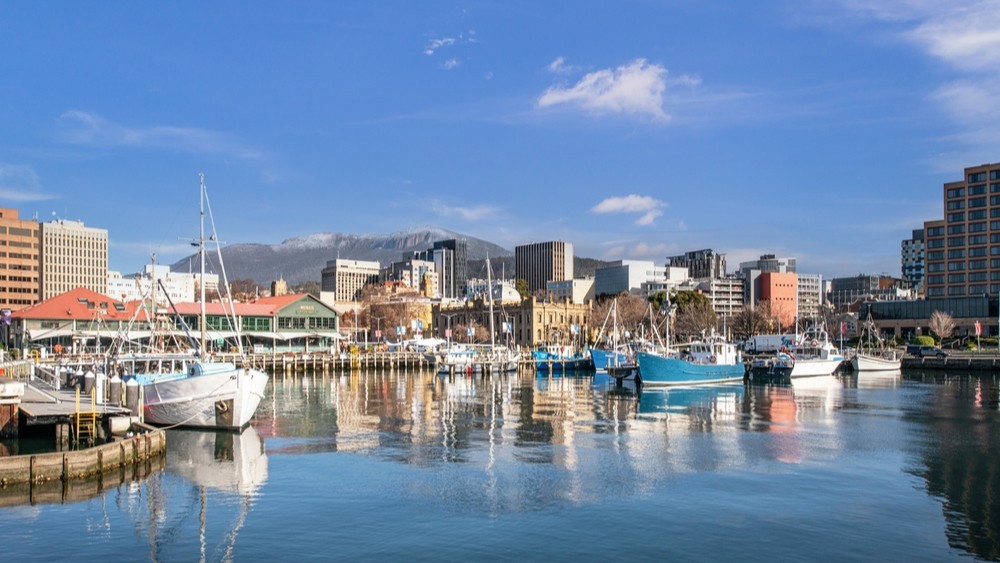
Topping the list is Hobart, which LinkedIn identified as Australia’s fastest-rising city for career opportunities.
The Tasmanian capital’s strong performance has been driven by interstate migration, the growth of hybrid work and relatively tight labour market conditions.
Hobart on the rise
Greater Hobart chair of business Edwin Johnstone said the city offers unique combination of career prospects and lifestyle benefits.
“It has the culture, food, events and professional opportunities of a much larger city, but people and places are more accessible,” Johnstone said.
“You can finish work in the CBD and quickly be on the mountain, at the beach or walking through the bush.
“Hobart is small enough for people to make a difference and large enough for their ideas to have a real impact, while a successful small business can become a visible and valued part of Hobart’s identity.”
The second city on the rise is Darwin, followed by Rockhampton, Newcastle, and Adelaide rounding out the top five.
Victoria and Queensland each placed three cities in the top 10.
Lifestyle combined with career
The findings suggest more Australian professionals are considering housing affordability, along with the lifestyle that comes with living outside major cities.
LinkedIn Career Expert Brendan Wong said that workers are “rethinking what makes a city worth living”.
“Beyond salary, factors like affordability, career progression, workplace flexibility, and overall quality of life are becoming just as important in determining whether a relocation is truly worthwhile,” Wong said.
“LinkedIn’s data helps Australian professionals identify the emerging markets where economic growth, expanding industries and strong professional communities are creating new opportunities, helping them make more informed career decisions.”
Darwin-based entrepreneur Dante St James said the Northern Territory capital was gaining a reputation for being a good place to launch a business.
“We’re seeing a lot of job growth in Darwin because it’s become a very investor and jobs-friendly market in the last few years,” he said.
“Like anywhere in Australia, there are challenges finding workers, and in a remote place like Darwin, that problem is exacerbated.
“But for those coming out of graduate positions in other states, there are a lot of incentives to come to the Territory, including a much higher rate of pay for entry-level and mid-management jobs than what you’ll get elsewhere.”
LinkedIn’s rankings were based on year-over-year growth in hiring, job openings and the inflow-outflow ratio, which measures the number of people moving into a city compared with those leaving it.
Top 10 Australian cities on the rise
- Hobart
- Darwin
- Rockhampton
- Newcastle
- Adelaide
- Albury-Wodonga
- Brisbane
- Gold Coast
- Canberra
- Wollongong
The results reflect broader workplace trends indicating flexibility remains a key priority for many employees.
Previous research from International Workplace Group found Australians are increasingly reluctant to endure long commutes, with many willing to trade higher salaries for greater flexibility and improved work-life balance.
The continued growth of hybrid work has made it easier for professionals to relocate outside major capitals while maintaining access to career opportunities.