
Annual technology showcase CES (formerly Consumer Electronics Show) returned to Las Vegas this week, highlighting some of the most interesting new consumer products coming in 2026, and beyond.
While the event showed yet again that generative AI continues to be integrated into everything from fridges to hormone monitors, the products which caught Information Age’s attention provided both a hit of familiarity or nostalgia and a peek into the future.
From a new smartphone with echoes of the past, to classic plastic toys gaining cool new electronics— here are the CES gadgets we think you should know about.
The Clicks Communicator oozes Blackberry vibes
Accessories startup Clicks first made a splash in 2024 when it began selling smartphone cases which added physical keyboards to otherwise all-screen devices.
The tactility of its retro-futuristic products clearly captured more than a few people, because the company is now launching its own smartphone called the Communicator.
The device openly takes design cues from Blackberry’s iconic mobile phones of the noughties, and Clicks has continued to work with former Blackberry designer Joseph Hofer.
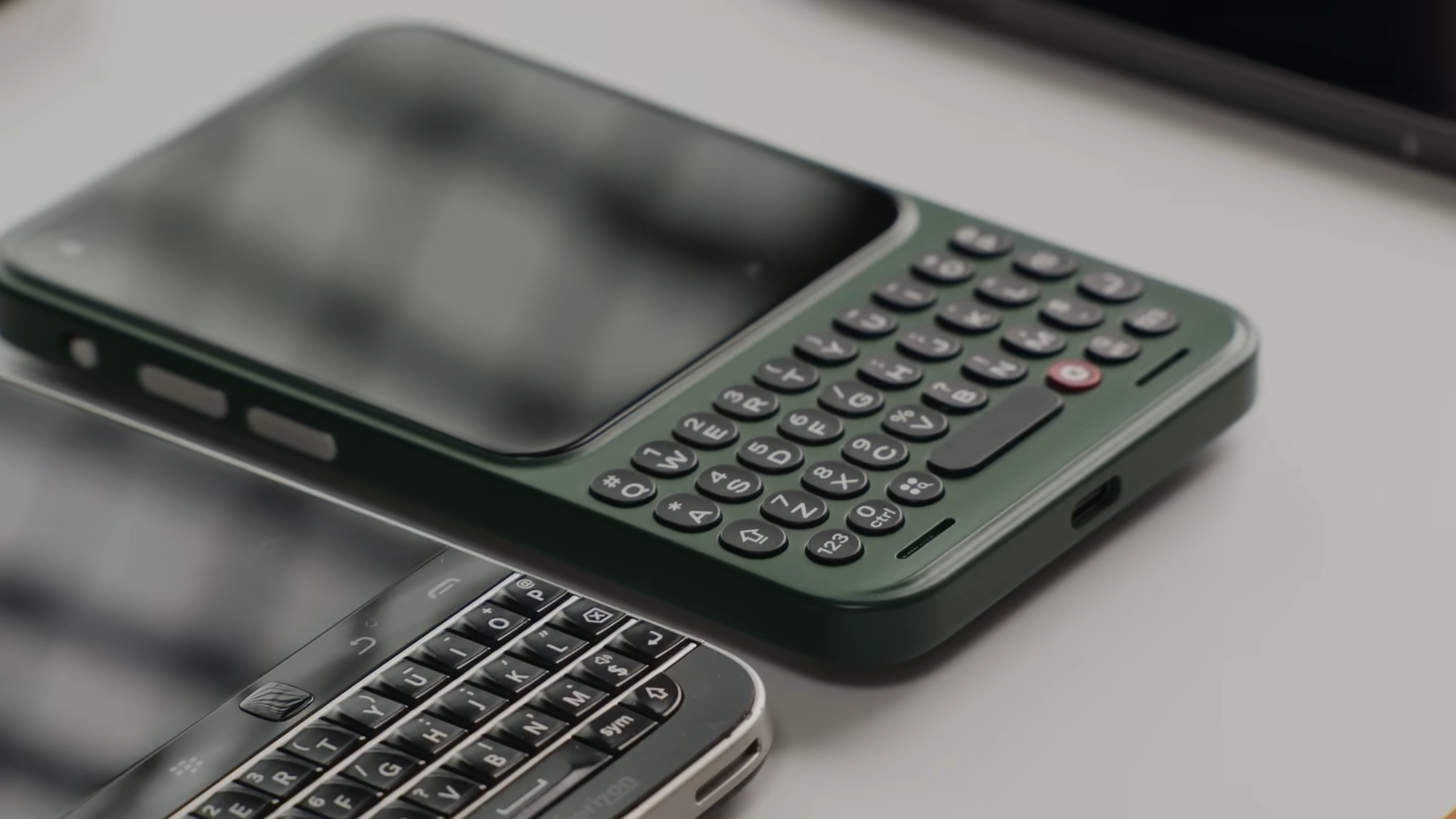
The Clicks Communicator (right) takes many design cues from Blackberry devices (left), which are no longer in production. Image: Clicks / YouTube
While the Communicator brings a heavy dose of nostalgia, it also leans into the phenomena of dumb phones and the retro phone revival, as some users pull away from their often-addictive smart devices.
Clicks says its phone is "designed for doing, not doomscrolling”, which is why it has a physical keyboard, a customer launcher which prioritises communication apps, and a ‘signal light’ which can change colour based on received notifications.
It’s also packing some solid specs, including a 4,000 mAh silicon-carbon battery, expandable storage, front and rear cameras, and a headphone jack (remember those?).
Clicks is marketing the Communicator as a replacement for the secondary smartphone which some people now carry, often for work — or even “as an evening or weekend phone”.
But it could also appeal as a main device to those who want to focus more on communication and spend less time on social media, games, or other apps.
The Communicator will run Android 16 at launch and will have “all the apps, 5G connectivity, and Wi-Fi" of a standalone smartphone, Clicks says.
The device is expected to begin shipping in 2026, including to Australia, for around $750 (excluding early-bird pricing).
Clicks also used CES to announce a wireless smartphone battery pack with a foldout physical keyboard, called the Power Keyboard.
Lego is making Smart Bricks now
A surprise reveal at CES 2026 came from The Lego Group, which is putting a tiny computer and a bunch of sensors inside what it calls Smart Bricks.
The new blocks are the size of typical 2x4 Lego bricks, and Lego calls them “one of the most significant evolutions” in its history.
Smart Bricks include a custom chip which can respond with light and sound when it senses movement or interaction, Lego says.
The bricks will work alongside new Lego Smart Tags and Smart Minifigures that have built-in NFC chips — which, when detected by the Smart Bricks, trigger its sound and lighting effects.
The Smart Bricks also have wireless charging and can communicate with other smart Lego pieces over Bluetooth, to sense context such as distance and direction.
Lego's chief product and marketing officer, Julia Goldin, told CES, “All together, what that unlocks is an opportunity for interactivity, new dimensions of responsiveness, opportunity for more social play, and for more storytelling.”
Lego Smart Bricks, Smart Tags, and Smart Minifigures will debut in several Star Wars Lego sets in March.
This robot vacuum can climb and clean stairs
While last year’s CES saw robot vacuums begin to climb up small steps, this year’s event saw a literal step up in mobility.
Roborock demoed its still-in-development Saros Rover vacuum, which has wheeled legs which allow it to climb staircases, including spiral ones — and even clean them along on the way.
The company says the robot’s ability to navigate stairs and slopes while also cleaning them is a world-first, and is achieved through various sensors and AI algorithms.
The Saros Rover was shown gradually rolling down a slope without crashing, making small jumps to avoid obstacles, and it can supposedly walk down stairs as well.
Launch timing and pricing is yet to be announced.
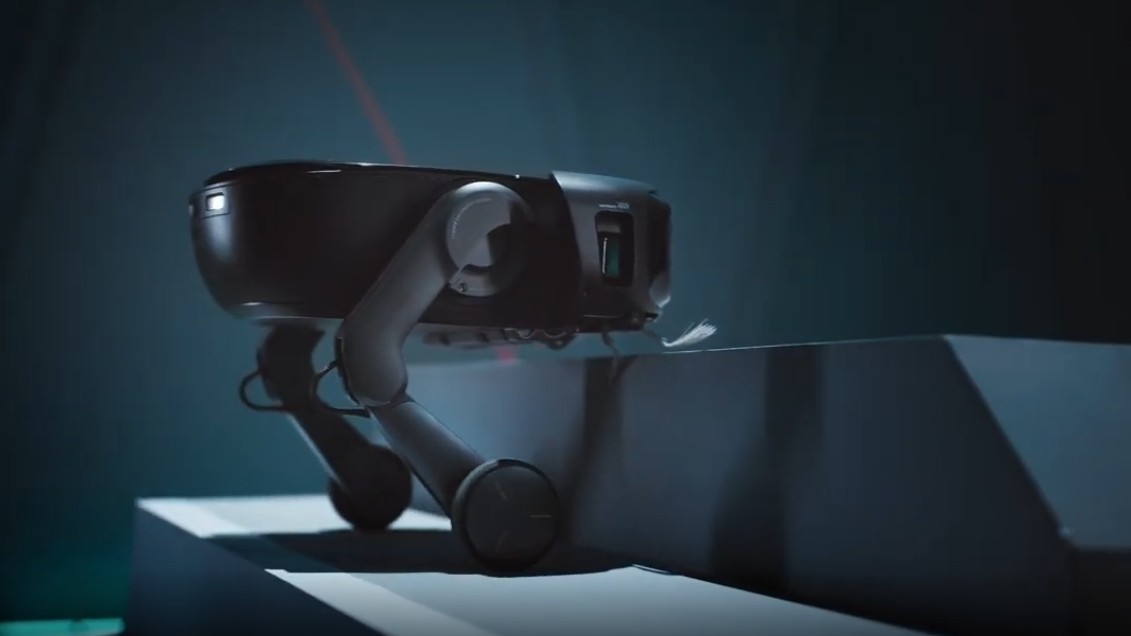
Roborock says its stair-climbing Saros Rover vacuum is still in development. Image: Roborock / Supplied
Useful humanoid robots are (slowly) becoming reality
On the larger side of the robot spectrum, CES 2026 saw several companies showcase their latest developments in humanoids, which numerous tech firms believe will soon revolutionise our work and home lives.
That future is still a little way off, but one market leader, Boston Dynamics — which you might remember from its yellow dog-like robot Spot — used CES to unveil the first production version of its humanoid robot, Atlas.
The first models to roll off the production line will be deployed in 2026 by carmaker Hyundai (which acquired Boston Dynamics in 2021) and Google’s AI research lab DeepMind, the company said, with other firms able to purchase the robots from 2027.
Hyundai said Atlas would work alongside humans in its manufacturing plants, and the company planned to build around 30,000 of the robots annually beginning in 2028.
“By 2030, applications will extend to component assembly, and over time, Atlas will also take on tasks involving repetitive motions, heavy loads, and other complex operations — ensuring safer working environments for factory employees,” Hyundai said.
Elsewhere in the humanoid realm, LG debuted its AI-powered home robot CLOiD by getting it to load some clothing into an open washing machine — albeit very, very slowly.
The brief demo, which you can watch below, highlighted the difficulties of humanoid robot development, and perhaps LG’s reluctance to try more complex tasks in a live-streamed keynote environment.
Pre-prepared videos also showed CLOiD collecting and folding laundry, and interacting with other smart appliances to begin cooking food.
The robot is designed to “perform household tasks like cooking and laundry” and is “intended to reduce the time and physical effort required for everyday chores”, LG says.
The company did not confirm whether CLOiD would eventually be available for purchase, but said it would “continue developing home robots with practical functions and forms for housework”.
Chinese company SwitchBot also showcased its legless housework robot the Onero H1, with videos depicting it serving food, washing dishes, cleaning windows, loading a washing machine, and folding laundry.
Like other general-purpose robots in development, the Onero H1 also uses AI to collect and analyse data about its surroundings.
“Rather than being defined by any single function, it represents a shift toward robotics that can adapt to a wide range of domestic scenarios,” SwitchBot says.
While pricing has not been announced, the company says Onero H1 will soon be available for pre-order.
Honourable mention: LG’s karaoke speaker uses AI to remove vocals
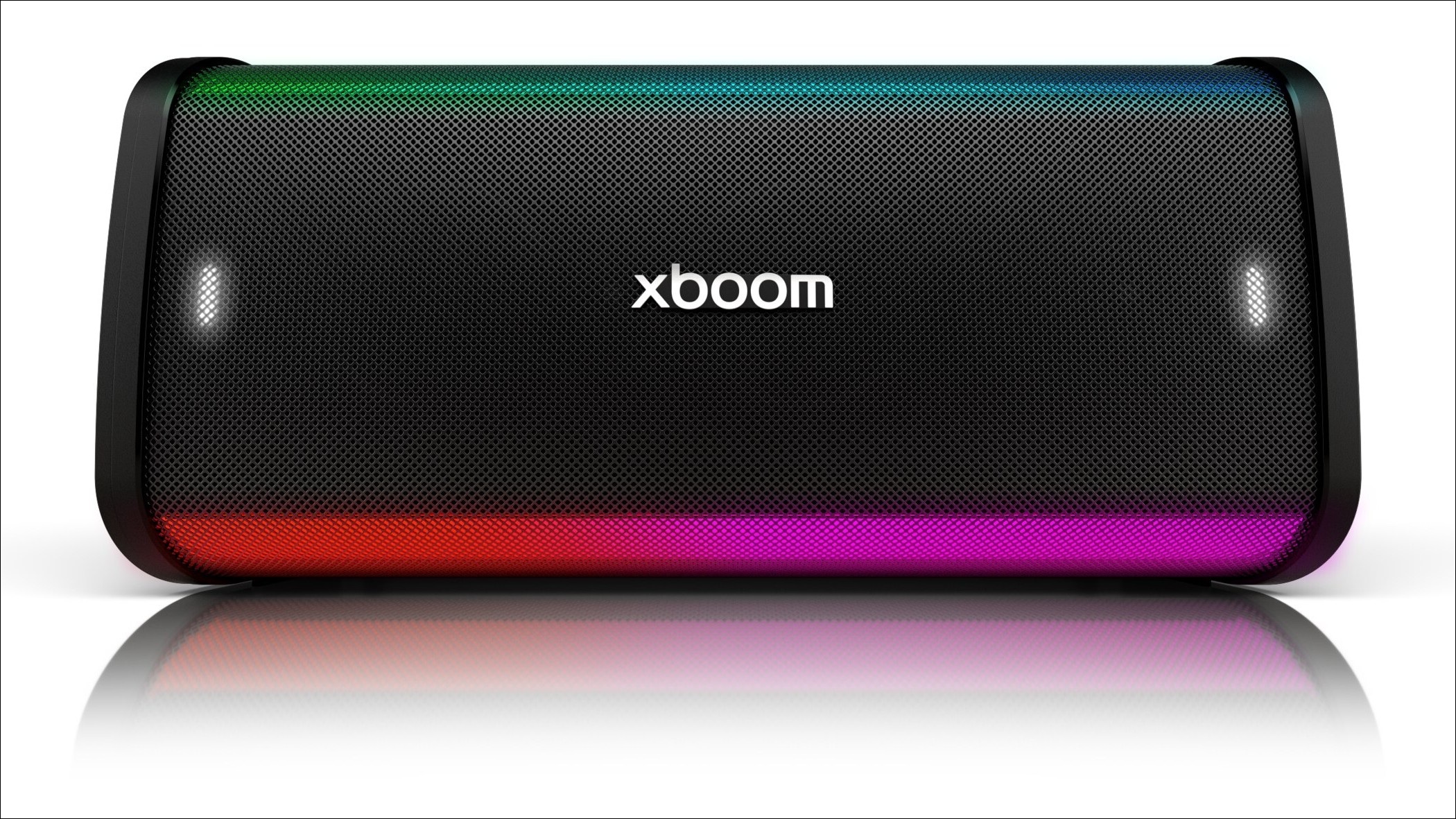
The LG xboom Stage 501 speaker is expected to be released in 2026. Image: LG / Supplied
Finding instrumental versions of your favourite songs can be difficult, so LG is adding an “AI Karaoke Master” feature to its new xboom Stage 501 speaker, which it says can use AI to remove vocals from music to make it easier to sing along with.
The new device, which the company showed off at CES, was supposedly trained on over 10,000 songs, and can even adjust the pitch of music to make it easier to belt out your favourite ballad.
"All without special files or subscriptions,” promises LG, which says the speaker will be released in 2026.
How well the karaoke feature works remains to be seen, but it certainly sounds like a fun use for generative AI tech.