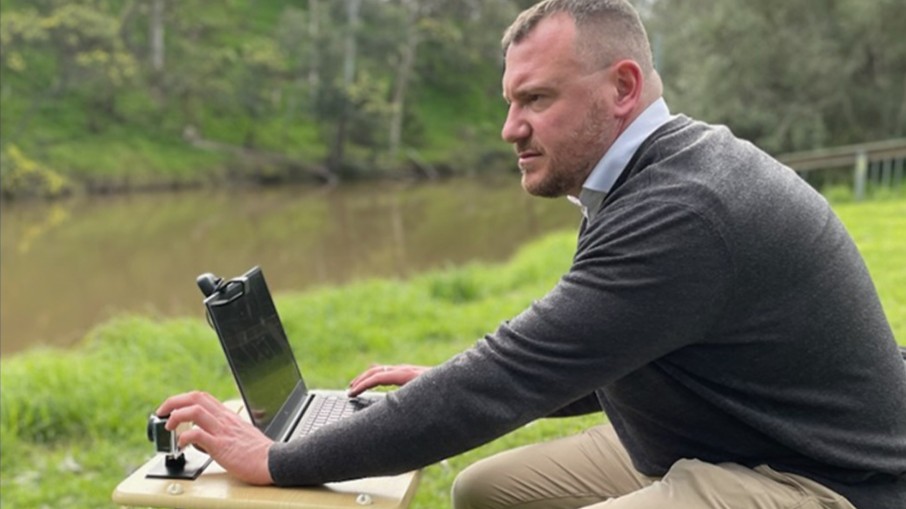

Dating platforms should introduce mandatory identity verification and stop relying on artificial intelligence to handle reports from victims of sexual violence, according to 2026 Churchill Fellow Sarah Williams.
Williams, founder of sexual violence prevention organisation What Were You Wearing Australia, is one of 75 Australians awarded a Churchill Fellowship this year.
The prestigious fellowships give Australians funding to travel overseas and investigate ideas, practices and technologies that could help address challenges in their communities or industries.
Fellows typically spend four to eight weeks meeting experts and organisations before bringing what they learn back to Australia.
The 2026 cohort includes several Fellows investigating technology-related issues, including smarter robotics for manufacturing, AI-enabled monitoring of shorebirds, digital group therapy and technology's role in improving hospital security.
Williams will use her Fellowship to investigate how Canada, the UK, the Netherlands and Sweden are tackling sexual violence linked to dating apps.
Her research will examine regulation alongside the technology and product-design decisions being used to make dating platforms safer, with the aim of identifying approaches that could be adopted in Australia.
For Williams, the research is also personal. Her interest in the issue is informed by her own experience of sexual violence.
“Nearly three in four dating app users experience some form of violence, yet not enough is being done to prevent these crimes,” Williams said.
One of the most immediate changes she wants platforms to make is mandatory identity verification.
“Identity verification still being opt-in is a core failure. It should be mandatory before anyone can join that you must have to verify your identity.”
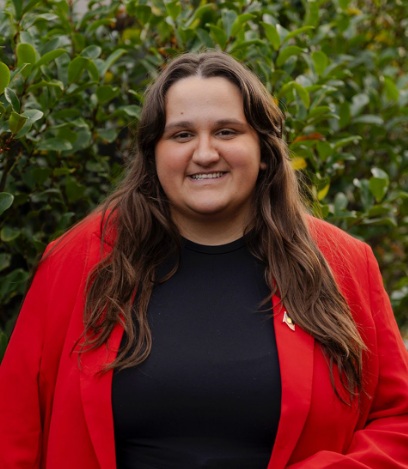
Sarah Williams hopes her research will be used to make dating apps safer. Photo: Supplied
Williams also wants dating platforms to reconsider what happens to information after users unmatch.
While information may no longer be visible to a user after an unmatch, she said questions remain about how platforms preserve information that may later be needed when someone reports an incident.
She also believes platforms could intervene earlier when messages contain seriously abusive or threatening content.
“Many people are saying things in messages that resemble rape culture, which should get them removed immediately.
“Having them actually removed, or the inability to send certain messages, would be beneficial.”
Where AI can and can’t help
Williams believes artificial intelligence could play a role in making dating platforms safer, but draws a clear distinction between using AI to detect potential risks and using it to respond to someone reporting sexual violence.
“AI can absolutely help by flagging coercive language patterns, catching repeat offenders moving between accounts, detecting fake or duplicate profiles and rape culture language used.”
However, she said the use of personal data to improve safety must not create new forms of surveillance or discrimination.
“The technology should be used to protect people, not to profile them.”
Williams believes automation should stop when someone is seeking help.
She is concerned about dating companies increasingly using automated systems to process reports, potentially leaving someone reporting sexual violence interacting with a bot rather than a person trained to respond appropriately.
“AI can't replace a human in the reporting and response process.”
Taking lessons from overseas
After completing her research, Williams intends to bring what she learns back to What Were You Wearing Australia and develop a campaign advocating for changes to the way dating platforms operate.
She will spend her time overseas looking for evidence of what works, and examining which lessons technology companies, policymakers and regulators should consider in Australia.
She also wants to design a program to better educate young women about staying safer while using dating apps.
“Right now my focus is on the research, genuinely learning from what other countries have built before I start pushing for anything here.”
Technology projects among 2026 Churchill Fellows
The Churchill Fellowship program has operated since 1965 and has awarded fellowships to almost 5,000 Australians.
The Churchill Trust received 1,132 applications for the 2026 round, with 75 recipients ultimately selected.
Churchill Trust CEO Christine Dacey said the Fellows were united by a determination to take what they learn overseas and turn it into change in Australia.
Among the 2026 Fellows pursuing technology-related projects are:
Anthony Wylde (ACS member)
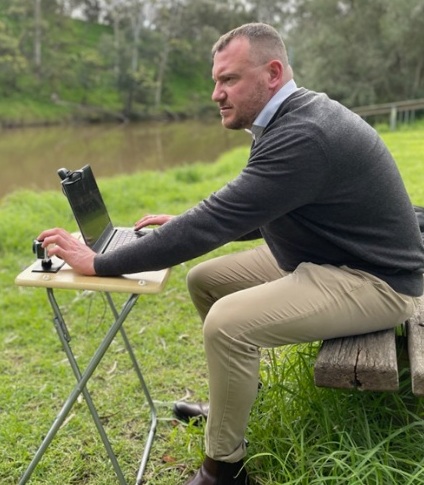
The auDA Churchill Fellowship to establish AI-enabled shorebird monitoring frameworks in remote coastal areas.
Catherine Brown
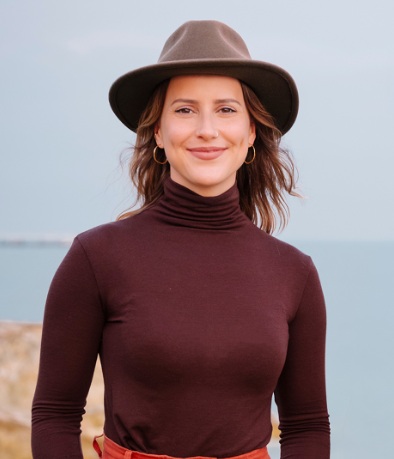
The auDA Churchill Fellowship to identify best practice for scaling digital group therapy for rural and remote women in Australia.
Cori Stewart
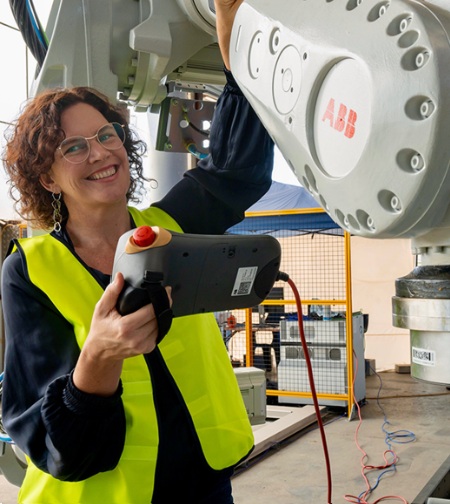
A Churchill Fellowship to investigate how smarter robots could make Australian manufacturing more globally competitive.
Troy Morrisby
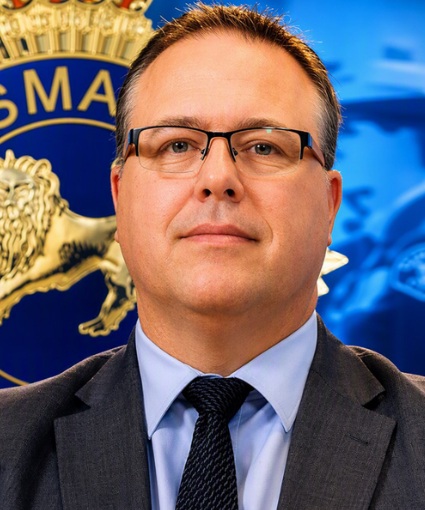
A Churchill Fellowship to investigate innovative methodologies for combating the rising prevalence of 3D-printed firearms.
Lauren Brooks
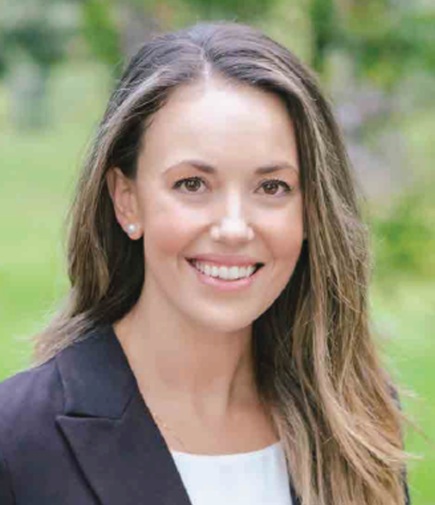
The Park Family Churchill Fellowship to explore Nordic low-tech learning environments and their potential to enrich Australia's technology-smart vision.
Jeremy Coulson
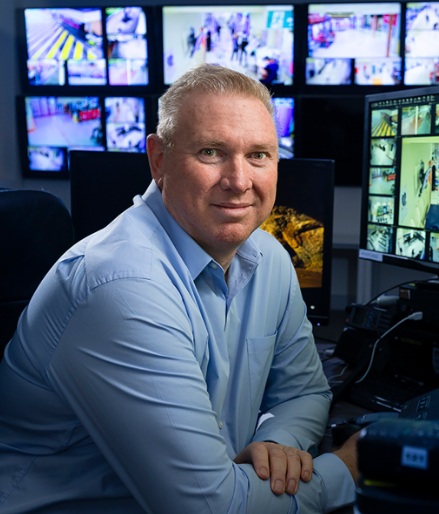
The WA Department of Health Churchill Fellowship to evaluate existing and emerging strategies to improve security in Australian hospitals.