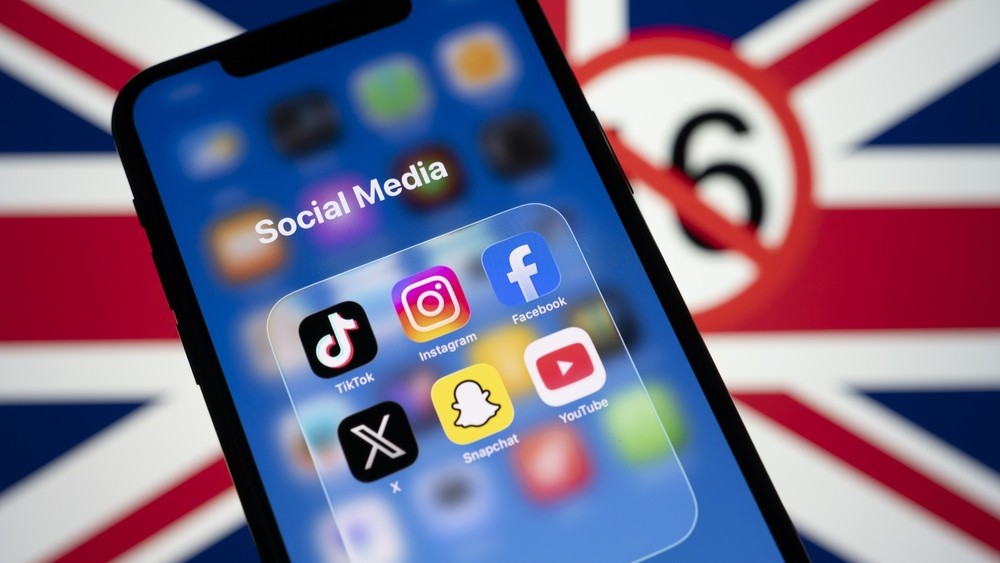

The United Kingdom has followed in Australia’s footsteps and will ban under 16s from accessing the world’s largest social media platforms.
UK Prime Minister Keir Starmer this week announced the social media age ban, saying it was a “big moment for our country” and something that would be difficult but necessary.
The Australian government became the first in the world to ban under-16s from social media sites late last year.
Since then, several other nations have taken steps towards adopting this policy.
The UK government directly acknowledged that it was following Australia’s lead with the ban, saying that it would be adopting the same model and that it had closely examined the success of the first six months of Australia’s ban.
The UK plan goes further than Australia’s, with extra restrictions on other online services such as gaming sites, including bans on under-18s accessing livestreaming, and strangers being allowed to contact children.
Starmer said the UK was “going further than any country in the world”.
“Parents want to keep their kids safe and happy, but the online world has made that harder than ever,” Starmer said in a statement.
“I’ve heard first hand from families crying out for change and we will do right by them.
“This is a line in the sand. Tech giants had their chance and failed, but we’re stepping in to protect children, back parents and set a new normal for future generations.”
Learning from Australia’s example
The UK ban will cover similar platforms as Australia’s, including Instagram, YouTube, TikTok, SnapChat, Facebook and X, but will not apply to messaging services like WhatsApp and Signal.
Australia’s ban requires social media platforms to take reasonable steps to identify and ban users younger than 16, with penalties of up to $49.5 million for companies that consistently fail to stop children having accounts.
The UK has tasked its communication regulator, Ofcom, with setting out the different ways that social media companies can use to verify the ages of their users, saying it will “learn from the lessons from Australia’s experience” and look at introducing more “highly effective age assurance” measures in its own scheme.
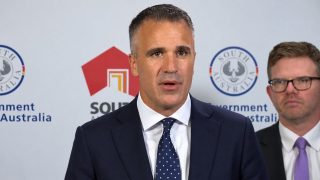
Prime Minister Anthony Albanese welcomed the UK’s move in a post on social media.
“Social media giants operate across borders,” Albanese said in a post on X.
“By standing together, we can do more to hold them accountable and keep children safe online.”
A demand for action
Before announcing the ban, the UK government conducted a consultation which it said revealed “overwhelming public demand for action”.
Nine in 10 parents backed the move, while two-thirds of young people said that under 16s shouldn’t be allowed to use some social media sites, the UK government said.
“It is clear to me a full ban is the right choice,” Starmer said.
“I think most parents will welcome this action, and they will welcome a government that stands by them, that supports them to do the best for their children, and that fights for their happiness and safety, against the most powerful companies in the world.”
Apple CEO Tim Cook recently said his company was “inspired” by Australia’s scheme when introducing new safety features for parents recently.
Cook briefed Albanese on the new features, which will allow parents to “more easily manage the content their children can see, who they can communicate with, and when they have access to apps”.
Albanese said Cook had told him these changes were “in-part inspired by Australia’s world-leading social media age ban”.
In the first months of Australia’s ban, the social media giants deactivated, removed or restricted nearly 5 million accounts believed to be held by children.
In its first month alone, Meta said it had blocked more than half a million accounts across Instagram, Facebook and Threads.
The Australian eSafety Commissioner earlier this year released a compliance report covering the first four months of the social media age ban.
It found that while social media companies were taking “some steps” to comply, there were several compliance concerns.