
The federal government has scrapped controversial plans to tax the unrealised gains of large superannuation accounts that had been labelled a “disaster” for the Australian tech and startup sectors.
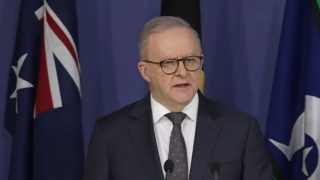
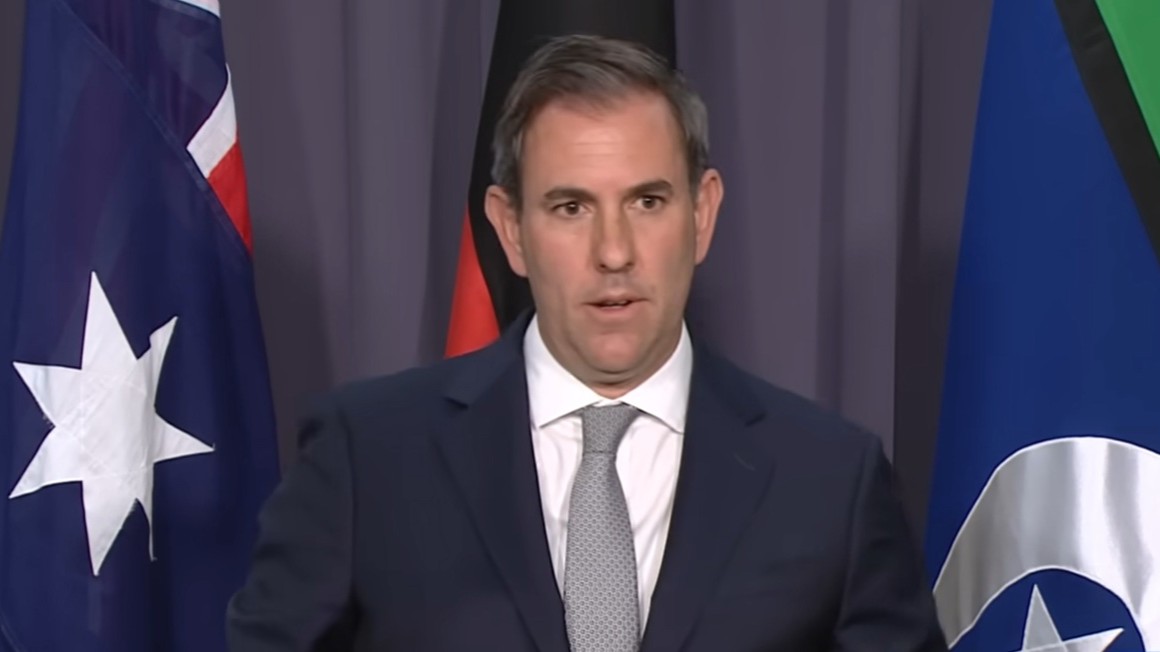
Treasurer Jim Chalmers earlier this week announced a significant backflip on Labor’s planned reforms to the taxation of large superannuation accounts worth more than $3 million, which were first announced in 2023.
The plan had included the introduction of a 15 per cent tax on earnings for superannuation accounts above $3 million, including unrealised gains, but this has been removed entirely from the plan following widespread backlash.
The unrealised gains plan had been panned by members of the Australian startup sector, who argued that it would stifle investment in early-stage tech firms as many venture capital funds had up to a third of their portfolio supported by self-managed superannuation.
Angel investors also typically invest in startups from self-managed super funds, and the prospect of being taxed on gains on these investments far before they are realised led to fears it would deter this form of early-stage investment.
‘Genuine feedback’
The federal government appears to have listened to these concerns, with the unrealised gains tax plan removed from the reforms entirely.
Chalmers said this was the result of responding to “genuine feedback” on the initial plan, and said the government had “worked through the issues and found another way”.
“It was the advice that we were acting on, that that was the best way to go about it at the time,” Chalmers told the media on Monday.
“We asked for the best, most workable alternative to that, and that’s what we’re announcing.”
The new plan includes the doubling of the concessional tax rate on superannuation accounts with a balance between $3 million and $10 million, from 15 per cent to 30 per cent.
These thresholds will also be indexed, and the plan will come into effect from 1 July next year.
‘Clear win’
The revamped plan has been welcomed by a broad spread of the local tech community.
LaunchVic chair Leigh Jasper, who earlier this year said the plan was a “disaster” and a “tax on innovation [and] creating the jobs of the future”, gave the thumbs up to the government’s back-down.
“Taxing innovation is never a good idea,” Jasper posted on LinkedIn.
“Good to see the government got rid of the unrealised capital gains tax.”

LaunchVic chair Leigh Jasper applauded the government's move which he said would have adversely affected the startup sector. Photo: LaunchVic
Aussie Angels, an organisation working with emerging fund managers, also backed the policy U-turn.
“We are happy to see one of the issues we felt strongly about, being the controversial taxation of unrealised gains, be removed from the proposal,” the organisation posted on LinkedIn.
“We see this as a clear win for early-stage venture investors.
“So let’s get back to supporting the founders and startups driving productivity gains and excelling Australia forward.”
Tech Council chief executive Damian Kassabgi said the reforms were “great news for Australia’s venture capital ecosystem and would provide “much-needed certainty” for investors looking to back early-stage tech companies.
Australian Investment Council CEO Navleen Prasad said the changes will “support access to much-needed capital for early-stage investments”.
“This ensures that long-term investing in industries that are in the nation’s interest remain appealing to investors and has a role to play in a more competitive and dynamic economy,” Prasad said.
“From our perspective this has always been about the equity of making people pay tax on gains that haven’t crystallised with no clawback facility if it never does.”
The Greens slammed the back-down, labelling it a “capitulation to the wealthiest people in the country and a slap in the face to everyone else who pays their tax straight out of their pay packet”.
They added the removal of the plan to tax unrealised gains was a “gift to the super-rich that will cost the budget billions”.