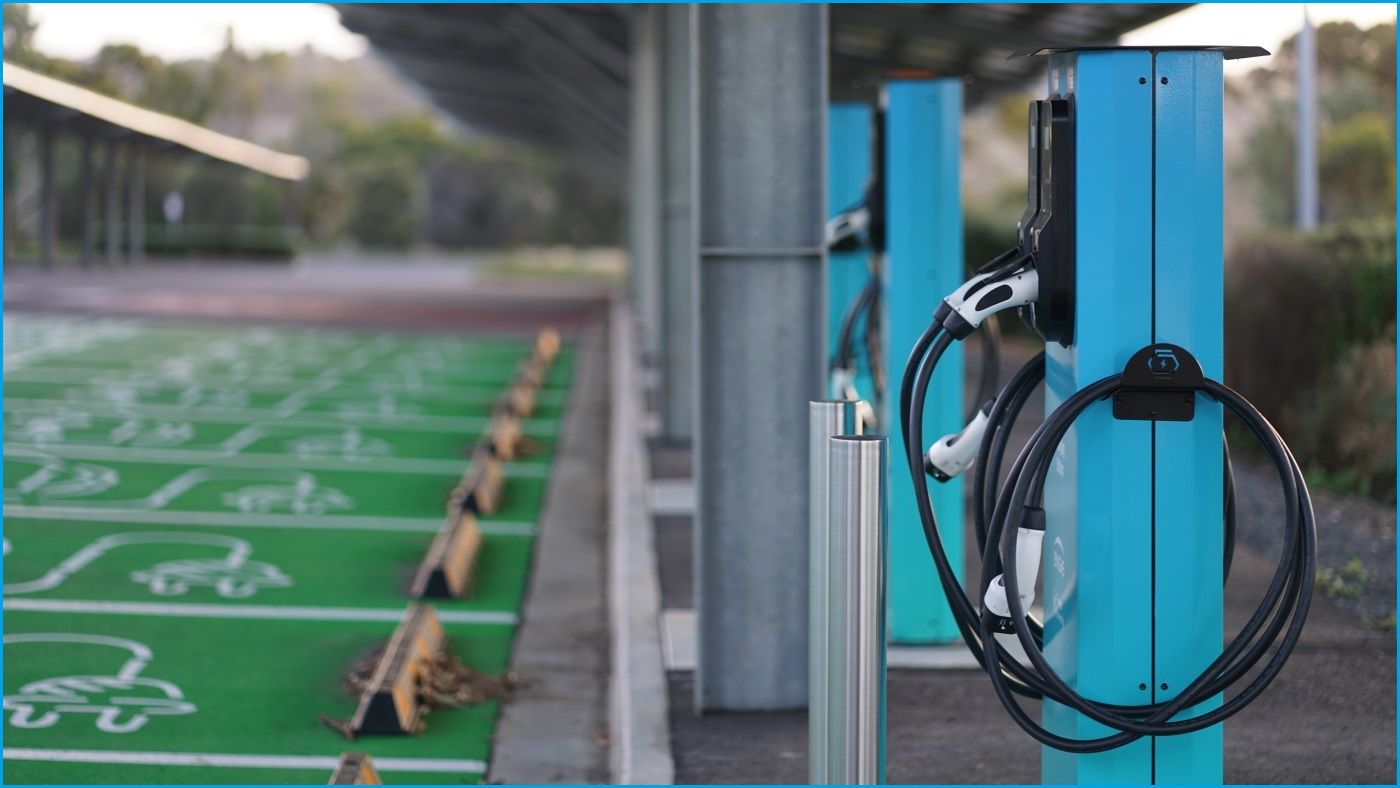

They were welcomed to Australia with government rebates and registration discounts, but our honeymoon with electric vehicles (EVs) is over, with new figures questioning their real-world range and authorities clamouring to tax buyers as they upend long-established revenue models.
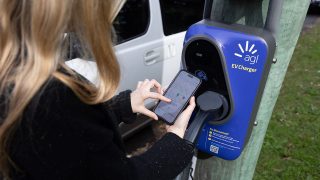
EV sales are growing in Australia, yet despite a surge in the number of charging stations, EVs have struggled to overcome ‘range anxiety’ – fears that the cars will run out of charge before reaching the nearest charging station – with many buyers opting for petrol or hybrid vehicles instead.
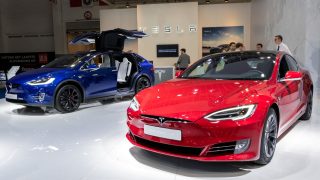
Recent Australian Automobile Association (AAA) test results exacerbated that anxiety, with warnings that Australia’s most popular EVs were delivering lower real-world range than advertised.
BYD’s ATTO3 drove 369 kilometres, or 23 per cent shorter than the claimed 480km, on a charge.
Tesla’s Model Y – which in June lost its title as the best-selling car in the world – drove just 441km in conditions outlined in the Real-World Testing Program, compared with the 513km ‘lab range’ established through the European Union’s World harmonised Light vehicle Testing Procedure (WLTP).
WLTP measures fuel consumption and (for petrol and hybrid cars) carbon emissions by sitting the car on rollers and driving for 30 minutes, covering 23.35km while variously driving 60km per hour, 80kph, 100kph, and 130kph – with results tweaked for the impact of each car’s accessories.
Real-world outcomes vary partly because laboratory conditions do not consider the extra consumption of things like air conditioners and driving style, such as frequent braking and acceleration.
Yet overall the results were “an excellent, excellent outcome”, Swinburne University professor of transport technology and sustainability Hussein Dia told Information Age, given the average Australian drives just 35km per day – meaning even low-range EVs were more than adequate for most.
Range anxiety has weaponised the EV conversation
The real-world performance of petrol cars also varies widely from what manufacturers advertise, but consumers don’t tend to worry as much about those details – yet the persistent debate around EVs has blown range anxiety into a defining characteristic of the way they have been perceived.
EV makers have taken the constant discussions around battery range as a challenge, notching up one range record after another – with a production Polestar 3 this month travelling 935.44km on a single charge and a General Motors prototype clocking in a 1,704.62km trip sans air conditioning.
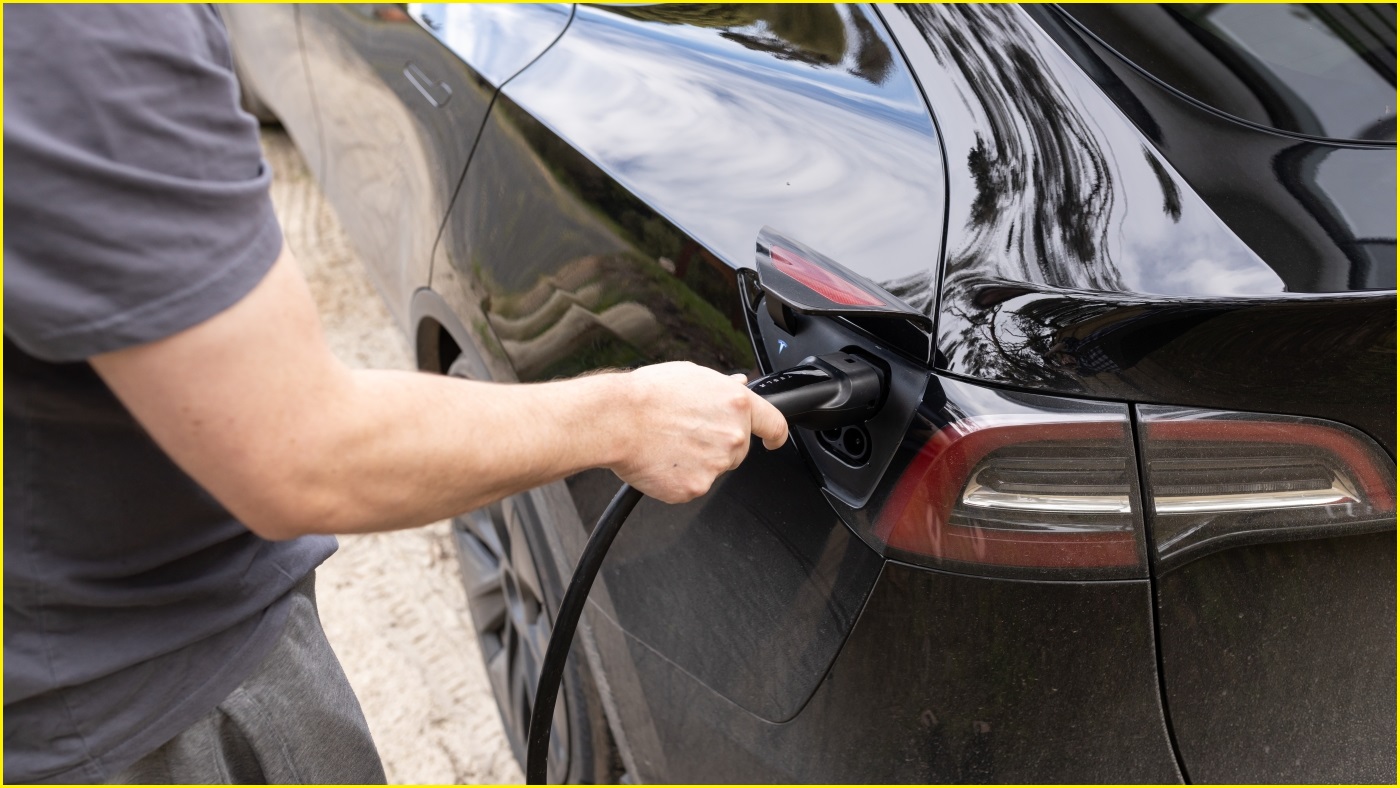
Some popular EVs are delivering lower real-world range than advertised, according to the Australian Automobile Association. Image: Shutterstock
A new battery design could double EV batteries’ energy density and high-powered Chinese chargers can charge an EV in five minutes – yet even as science addresses range anxiety and tweaks EV efficiency, the “excellent outcomes” of real-world use are still obscured by political agendas.
“When the AAA announced the results of the EV range testing, a couple of media outlets said Chinese-brand vehicles have been caught underperforming,” Dia explained, noting that “sometimes [pundits] single out certain things to satisfy the public, or they have an agenda”.
Politically backed hydrogen had its role but the push for “dead end” hydrogen cars as an alternative to EVs further muddied the discussion, Dia said, as did Opposition claims that EVs are a “family and ute tax” that kill the holiday weekend – an argument that seems to have bolstered hybrid sales.
Increasing government investment in charging infrastructure can reduce range concerns, Dia continued, noting the key to overcoming range anxiety was planning.
The AAA testing showed “EVs are ready for everyday travel,” he explained, “and it’s only when you are travelling long distances that you need to plan.
“But the more charging infrastructure we have, the better it all becomes.”
What’s the best way to make EVs pay?
Even as the industry works to assuage buyers’ range anxiety, the government’s changing EV policy – which only a few years ago included financial support to encourage purchases – is now turning EVs into scapegoats as Treasury scrabbles for new revenue sources to fill budget holes.
A widely supported road use tax on EV users – who, critics say, are getting an unsustainable free ride with previous subsidies and rego discounts, and damaging fuel excise tax revenues because they no longer buy fuel – is front and centre at this week’s Economic Reform Roundtable.
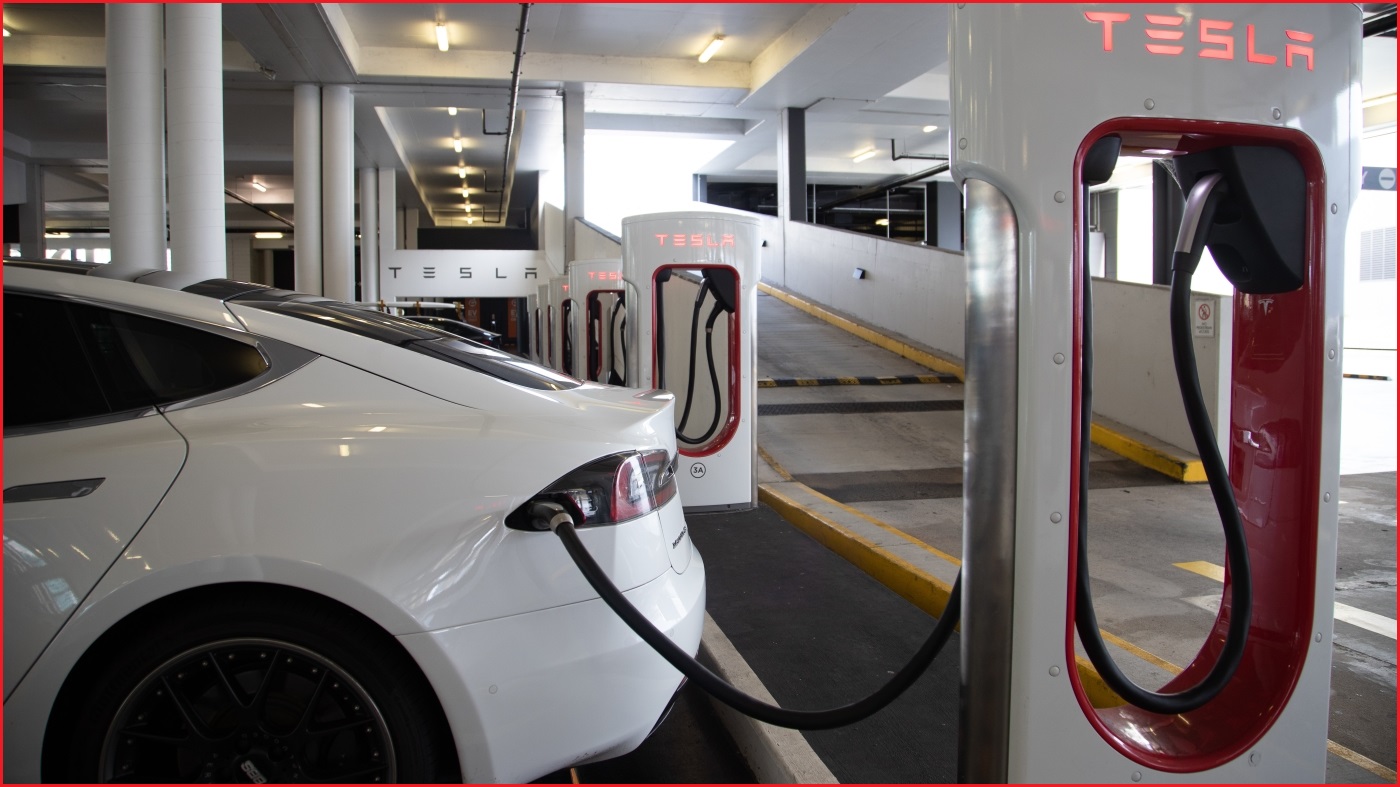
The federal government is expected to phase in a set of road user charging rules for electric vehicles. Image: Shutterstock
A New South Wales-backed scheme, which is gaining support amongst government figures, would charge battery EV and hydrogen fuel cell users 2.874 cents per kilometre, with plug-in hybrid EV drivers paying 2.379 cents – with the amounts indexed to inflation.
Revenues from the fuel excise would replace the 51 cents per litre the government currently takes from every litre of petrol sold – meaning hybrid owners, who still buy petrol, would be hit by both the fuel excise and the new EV tax.
The figures reinforce a changing reality: just as power companies are punishing solar panel owners for producing too much energy, the threat of additional taxes on EV owners is changing the financial picture around adopting such vehicles.
So, too, are Australia’s new albeit weakened fuel efficiency standards – contrasting with a United States government that has become a counterweight to progress, winding back new fuel efficiency standards and attempting to cut charging station funding.
Dia warned against the risks of shortsighted policy changes, arguing that excise and registration fees “are really blunt instruments” and a more equitable approach would be to charge drivers based on the distance they drive and the weight of their vehicles.
This approach would apply equally to EV, hybrid, and petrol vehicle drivers, with reporting becoming easier since today’s connected vehicles can self-report odometer readings just like smart electricity meters do.
Yet with discount electricity plans allowing EV owners to top up their cars overnight at home for less than $3 – and Australia’s strong solar penetration allowing many EV owners to charge their vehicles for free – Dia said EVs remained a viable and financially attractive option.
Change, he said, needed to be focused correctly.
“It is a good idea to reinvent our transport taxation system, but singling out EVs is wrong, and it doesn’t solve the issue.”