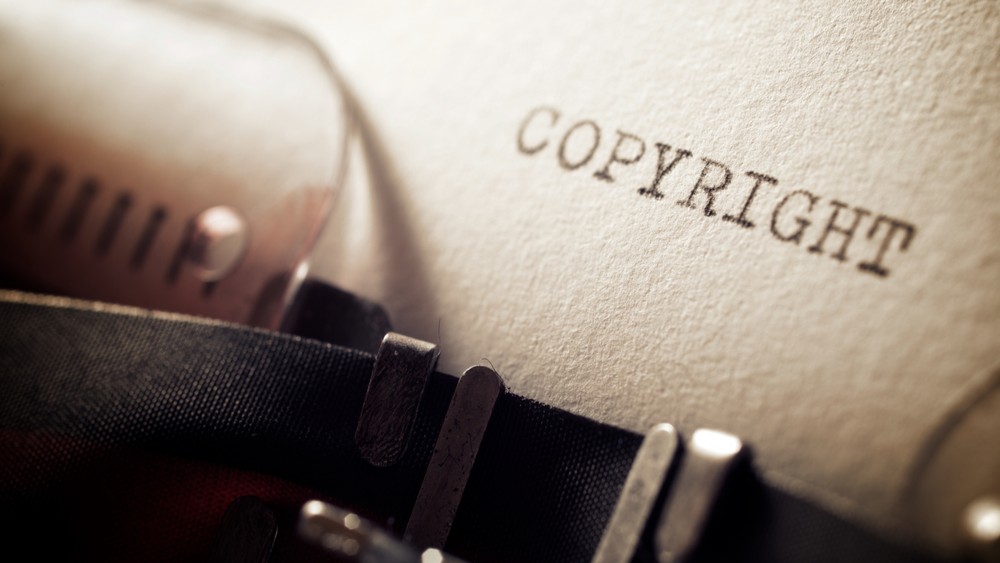

Tech companies will not be given an exemption to use the copyrighted content of Australians to train artificial intelligence models, with the federal government officially ruling out the controversial proposal.
Attorney-General Michelle Rowland on Monday confirmed the Labor government would not be introducing a “text and data mining” exemption in Australia’s copyright laws, which would have given tech firms free use of copyrighted material to train AI large language models.
“There is a body of work to do around what the copyright environment looks like in the AI world, but we are making it very clear that we will not be entertaining a text and data mining exception,” Rowland told ABC AM.
“And this is fundamental to their right as people who are generating works to ensure that they are fairly remunerated for that and that there are fair terms of use.”
Instead, Rowland convened the new Copyright and AI Reference Group in Canberra on Monday and Tuesday to discuss alternative proposals, such as a paid licensing framework and a requirement that tech firms disclose the content that is being used to train their systems.
“Australian creatives are not only world class, but they are also the lifeblood of Australian culture, and we must ensure the right legal protections are in place,” Rowland said.
“Artificial intelligence presents significant opportunities for Australia and our economy; however, it’s important that Australian creatives benefit from these opportunities too.”
A controversial proposal
The use of Australian copyrighted content to train AI models and potential changes to laws was thrown into the spotlight by the Productivity Commission in August, with an interim report floating a “fair use” exception to help Australian AI companies compete with their global rivals.
This proposal was backed by tech companies and industry groups, but roundly rejected by creatives and copyright holders, including large media companies and prominent musicians.
Free TV, the peak body for commercial broadcasters, welcomed the government’s decision, saying that a copyright exemption would have “legalised unauthorised content theft by AI providers, with multinational Big Tech platforms becoming the primary beneficiaries at the expense of Australian news media and creative industries”.
“The government has recognised that we don’t need to weaken copyright protections to drive innovation – quite the opposite,” Free TV CEO Bridget Fair said.
“The government has rightly concluded that productivity growth should not come at the expense of the local news media and creative sectors that underpin Australian democracy and culture.”
The Australian Recording Industry Association (ARIA) also welcomed the government’s confirmation it would not be considering a copyright exemption.
“This decision reinforces Australia’s commitment to its artists and creative industries, ensuring that consent, control and compensation remain at the heart of copyright in the age of artificial intelligence,” ARIA CEO Annabelle Herd said.
“It recognises the inherent value of Australian creativity and culture, including First Nations culture.
“It recognises that copyright and IP laws are the foundation of the creative economy, the digital economy, and the technology industry.”
The Australian Society of Authors CEO Lucy Hayward said the decision is a “clear message from government that creators should be paid for their work”.
“It’s also an important acknowledgement of the value of Australian stories and storytellers, and a vital first step in redressing the harm that has been caused by what has been called ‘the greatest act of copyright theft in history’,” Hayward said.
“The next steps are to ensure that Australian authors and illustrators are compensated for the theft of their work to train large language models, and that AI developers seek permission to use copyright work into the future through established licensing pathways.”
Australian Writers’ Guild CEO Claire Pullen said the government should be congratulated for resisting pressure from tech groups looking to “strip-mine our culture and content”.
“This sends a message that our cultural and creative industries can be part of ethical AI development as partners, not subordinates, that Australian creators can negotiate terms, not be dictated to,” Pullen said.
Other options
The federal government is reportedly instead considering launching a paid licensing regime under the Copyright Act for the use of content by tech firms to train AI models.
It is also looking at whether tech companies should be required to reveal what content they are using to train their AI models, and the introduction of a paid collective licensing framework.
Australian creatives united to condemn the copyright proposal at a Senate inquiry hearing recently, arguing that they should be properly compensated for the use of their work.
Paul Dempsey, frontman for band Something for Kate, told the Senators that a copyright exemption would amount to “wholesale theft”.
Productivity Commissioner Danielle Wood described the current AI and copyright situation as the “worst of possible world”, and that the reforms proposed by the Commission would help local companies compete globally.
In late August, peak local tech body the Tech Council agreed to work on a plan to pay for the use of copyrighted local content to train AI models in an agreement with the Australian Council of Trade Unions.
In contrast, Tech Council chair and Atlassian co-founder Scott Farquhar in July called on the federal government to "urgently" amend copyright laws to include fair use and text data mining exceptions, saying this could "unlock billions of dollars of foreign investment into Australia".