



OpenAI CEO Sam Altman declared a “Code Red” on Monday according to an internal memo obtained by US media, as the company behind ChatGPT faces increasing competition from Google and other AI rivals.
Altman reportedly told staff to focus on improving ChatGPT and confirmed OpenAI planned to delay other work — such as adding advertising to its popular chatbot — so it could spend more time on its core product.
“We are at a critical time for ChatGPT,” Altman told staff, according to The Information.
ChatGPT, which in late 2022 sparked a rush of companies to develop similar generative AI chatbots, turned three years old this week amid rising competition from wealthier technology giants.
OpenAI, which has recently attempted to make ChatGPT less sycophantic, is also facing several lawsuits from families who alleged its chatbot had contributed to their loved ones’ deaths by suicide.
While Altman supposedly did not specify why staff needed to focus on improving ChatGPT, major improvements seen in Google’s Gemini chatbot and Nano Banana image generation model have reportedly caused concern at OpenAI.
Altman allegedly told staff in October that Google’s advancements in genAI could “create some temporary economic headwinds for our company”.
Google then released its Gemini 3 model in November, and described it as “the best model in the world for multimodal understanding” while also citing a rise in users.
The Gemini 3 model's performance surpassed that of its competitors on many industry benchmarks and Google declared it was the company’s “most powerful agentic and vibe coding model yet”.
OpenAI reportedly delays work on ads, AI agents
OpenAI has reportedly delayed work on introducing advertisements into its products, including ChatGPT, as it worked on a “surge” of improvements to the chatbot , such as greater personalisation.
The company has also allegedly delayed work on developing AI agents for shopping and health, as well as a product called Pulse, which would deliver personalised content to ChatGPT users each morning.
It was unclear if the delays would also impact OpenAI’s work on a “family of AI products” it is creating with former Apple design chief Jony Ive.
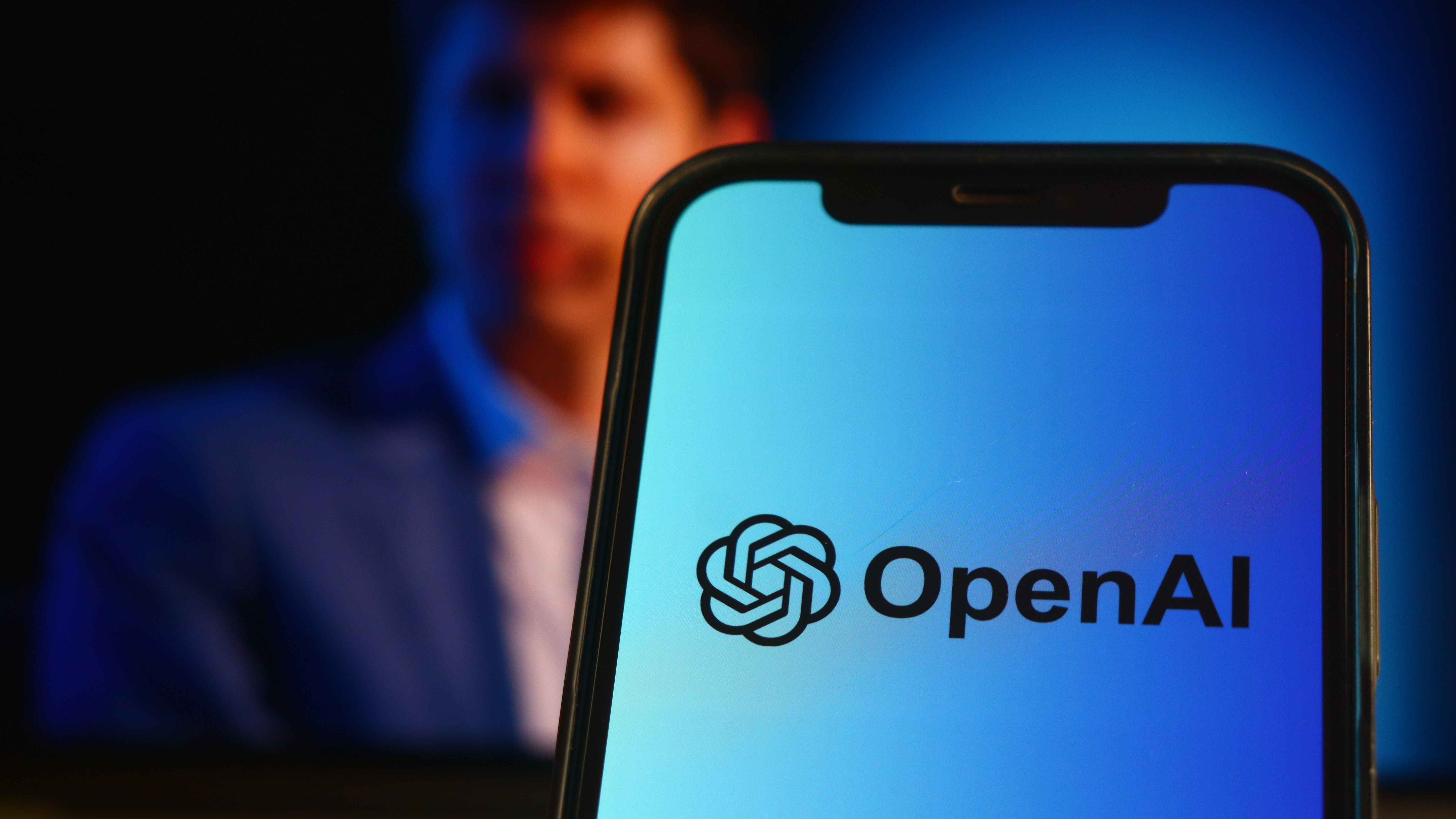
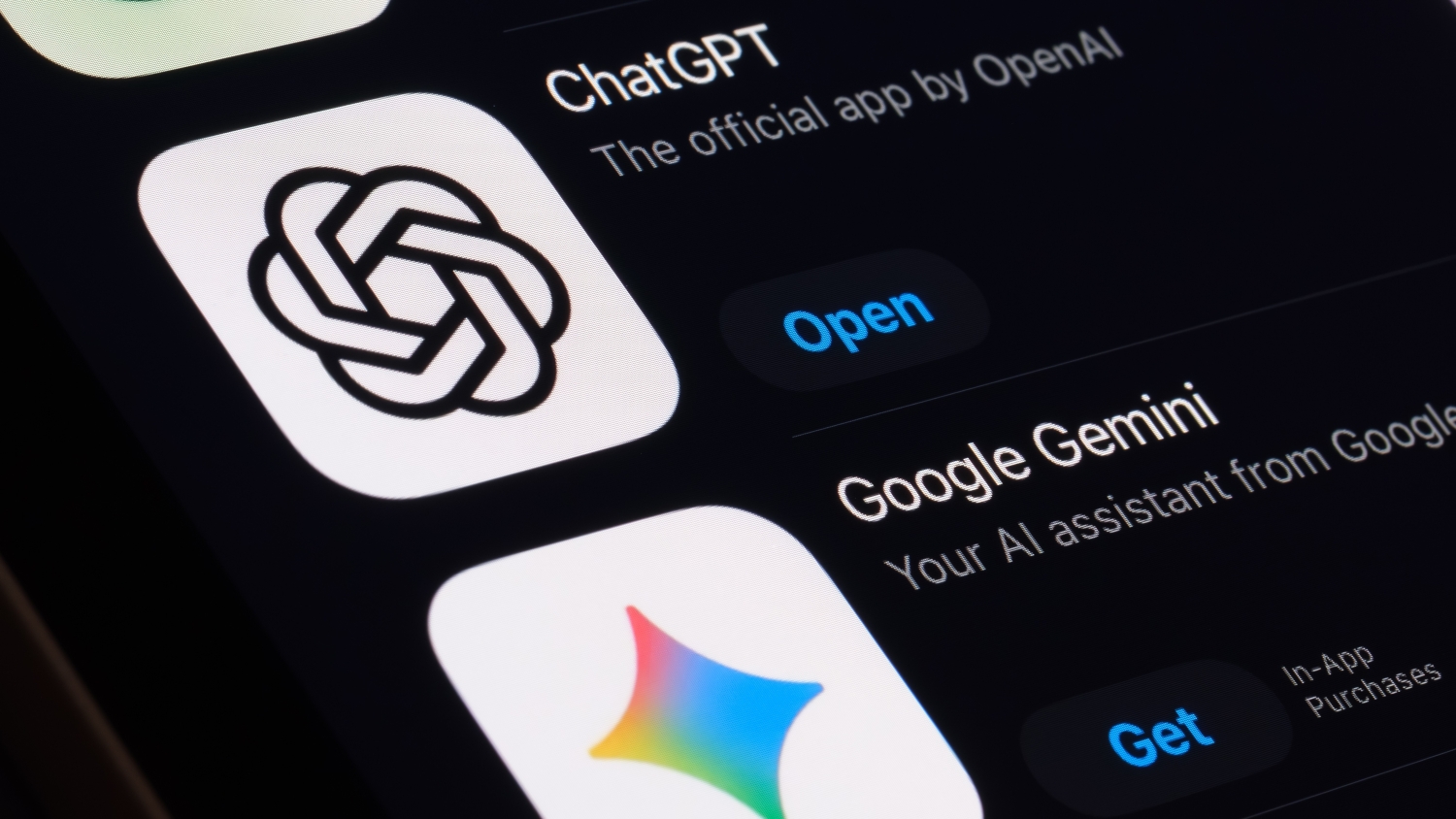 ChatGPT is facing stiff competition from the likes of Google's Gemini, Anthropic's Claude, and Perplexity. Image: Shutterstock
Altman reportedly told staff that key priorities during the “Code Red” period would also include improving OpenAI’s image generation models.
Google last month released its Nano Banana Pro image model, which has largely impressed reviewers.
The company said its Gemini app had surpassed 650 million monthly users, while OpenAI has claimed that more than 800 million people use ChatGPT weekly — including around 10 million Australians.
However, Google also recently added a Gemini-powered ‘AI Mode’ to its dominant search engine, which handles more than 90 per cent of search requests in Australia.
OpenAI released its own web browser in October called Atlas, to compete with Google’s Chrome.
Altman reportedly told staff this week that OpenAI would release a new AI reasoning model in December which was “ahead of Gemini 3”, according to the company’s testing.
Google, whose researchers developed the core deep learning technology behind GPTs (generative pre-trained transformers) in 2017, declared its own 'Code Red’ after ChatGPT launched in late 2022, before the chatbot became the fastest-growing consumer software application in history.
Apple hires ex-Google researcher ahead of Siri’s Gemini revamp
Apple, which is not yet a major competitor in the AI chatbot space, announced on Monday that former Google and Microsoft researcher Amar Subramanya will join the iPhone maker to lead its AI efforts, as it prepares a long-awaited revamp of its personal assistant Siri.
The company has been developing an improved genAI version of Siri, and has reportedly been in talks with Google to use Gemini to power it.
Apple has already integrated ChatGPT into parts of its Apple Intelligence software, but Siri has fallen behind assistants from competitors such as Google, Amazon, and Samsung, while its heavily marketed AI updates have faced ongoing delays.
“Subramanya brings a wealth of experience to Apple, having most recently served as corporate vice president of AI at Microsoft, and previously spent 16 years at Google, where he was head of engineering for Google’s Gemini Assistant prior to his departure,” Apple said in a statement.
News of Subramanya's appointement came as John Giannandrea, who was Apple’s AI chief since 2018, announced he would step down from his position to become an advisor to the company.
CEO Tim Cook reiterated that Apple planned to “bring a more personalised Siri to users” in 2026.