





A contentious UK law forcing banks to reimburse scam victims has been declared a success after its first year, with £159.2 million ($320 million) paid out during the first half of the year and the volumes of claims dropping as banks step up to stem their exposure.
Introduced late in 2024 after a successful pilot program, the policy requires UK banks to reimburse refund fraud victims up to £85,000 ($170,000) within five days – enough to cover over 99 per cent of claimed losses.
In 2023 UK authorities saw more than 250,000 reported cases of authorised push payment (APP) fraud – in which victims are manipulated into sending money to scammers – with losses increasing to £570 million ($1.14 billion) in the first half of 2024.
That was up 13 per cent on the year before – yet while losses did increase in the first half of 2025, new UK Finance figures found the annual growth rate had slowed to 3 per cent, with criminals stealing just £629.3 million ($1.26 billion) with the new rules in effect.
Banks’ “advanced security systems” are being credited for much of the change, with the financial services sector preventing £870 million ($1.7 billion) worth of unauthorised fraud during the half year – up 21 per cent from £710 million ($1.4 billion) a year earlier.
That means 70 per cent of attempted fraud losses are now being stopped.
The policy has delivered “consistent, positive outcomes for consumers,” the UK Payment Systems Regulator (PSR) concluded in a recent analysis that found that the number of claims had actually decreased 15 per cent after the scheme started.
Some 126,000 claims were made between October 2024 and June 2025, the PSR found – lower than between October 2023 and June 2024 – and 88 per cent of the money lost from APP scams was returned to victims, up from 66 per cent a year earlier.
This outcome, the PSR said, “shows the policy is having a positive impact as firms have stepped up, and are spotting and preventing fraudulent transactions from happening in the first place.”
Just part of the puzzle
Slowing scam growth is a tentative win for UK regulators – particularly given that global scam volumes continue to explode, with the recent BioCatch 2025 Global Scams report finding the number of reported scams grew by 65 per cent from 2024 to 2025.
That growth is being driven by a 63 per cent surge in romance scams, a 42 per cent increase in investment scams, and tenfold growth in SMS phishing.

Banks have stepped up to stop consumers losing money to scams. Photo: Shutterstock
Yet despite the success of the reimbursement scheme, UK Finance managing director of economic crime Ben Donaldson warned that the new measures were just one part of the response necessary to stop scams in the long term.
While the banks’ tightening controls had reduced losses to fraud like cheque fraud and remote banking, the number of ‘card not present’ fraud cases – when criminals use stolen card details – increased by 22 per cent over the same time.
With scammers still proving creative and effective, Donaldson said, “fraud continues to be a major threat to our society and our economy… Criminals continue to adapt ways to steal victims’ money and funnel significant sums of money to criminal enterprises.”
“Despite the ongoing investment and prevention measures by the industry,” he added, “the majority of fraud originates outside the banking system – online and over the phone – where manipulation begins long before any payment is made.”
Research has showed that customers feel reassured such protection exists – yet the PSR found that 71 per cent of people are unaware of the reimbursement policy, and 49 per cent of fraud victims didn’t attempt to access reimbursement.
Could it work in Australia?
The idea of readily reimbursing scam victims has been floating around Australia for years, with some observers concerned that the knowledge victims would be reimbursed could embolden cybercriminals and feed customer apathy.
Australian banks have reimbursed some victims, but usually on a case by case basis – and over weeks or months, as when the ANZ Bank eventually reimbursed one dementia-stricken Tasmanian man who had lost $460,000 to scammers over a period of time.
The UK policy is intended to facilitate and speed the process, particularly since such large losses are rare – and it has succeeded, with 97 per cent of claims resolved within 35 days, and 84 per cent of claims resolved within five business days.
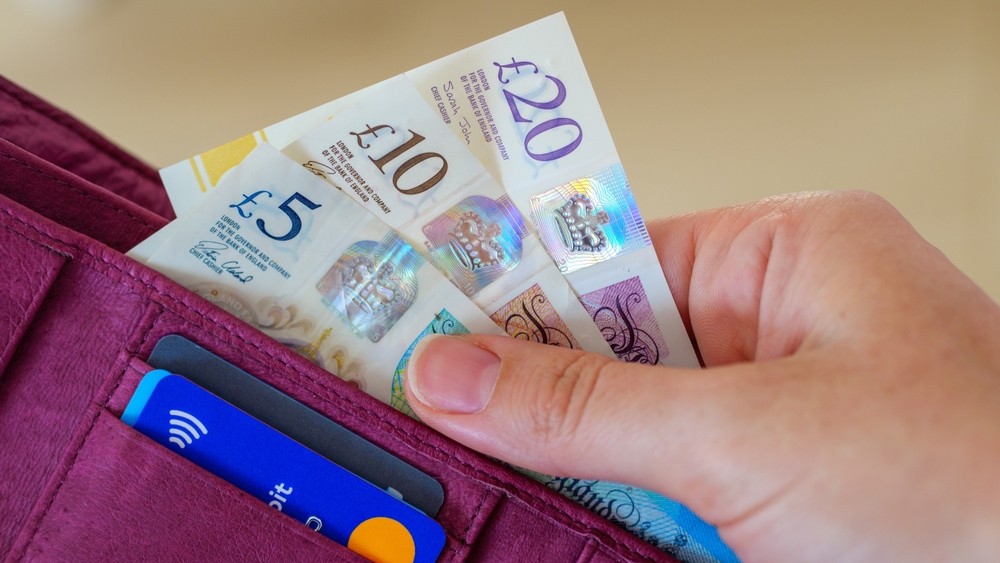
There have been calls for Australian banks to reimburse customers who have lost money due to scams. Photo: Shutterstock
Yet mandatory reimbursement rings differently in Australia, which BioCatch said is one of the only places where scams are actually decreasing – suggesting that Australian banks’ technological measures are in fact making a dent in the scam scourge.
Recent policy reforms and industry initiatives have seen banks investigated for receiving scam funds and joining forces to block scam payments but with many Australians feeling overwhelmed, calls for bank compensation have become louder.
With many victims claiming compensation from banks despite undertaking what they argue is adequate due diligence, pushback from banks remains an issue – with the government criticised earlier this year for failing to mandate compensation of victims.
Consumer groups lambasted the government after the new Scams Prevention Framework Bill 2025 instead focused on pushing financial services companies to ramp up their use of technology to catch and stop scammers.
“Fraudsters continue to prove among the world’s greatest innovators,” BioCatch global advisory director Jonathan Frost said, calling continued growth in APP fraud “a major concern”.
Stopping it, he said, “will require more than just technology… It necessitates both better and cross industry collaboration.”