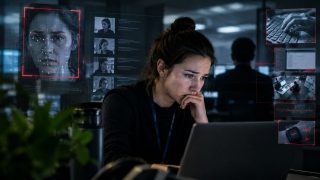

The “uncertainty” of the job market in Australia’s increasingly AI-driven economy has been factored into a worker’s personal injury claim, in reportedly the first case of its kind.
The New South Wales Personal Injury Commission found earlier this month that 34-year-old Andrew Duong suffered $950,000 in damages from psychological and physical injuries caused by a car crash on his way to work in 2023.
Commission member Philip Carr decided Duong should receive a “significant buffer” of $400,000 for his future loss of earning capacity, to be included in a payout from NRMA Insurance.
The buffer factored in “the uncertainty of any occupation in today's workforce, especially with the advent of artificial intelligence and its workplace challenges”, Carr wrote, as first reported by ABC News.
It also priced in Duong’s physical injuries and the more than three decades of working life ahead of him, Carr said.
Carr did not put a dollar amount on the potential impact of AI on the job market Duong may face in the future, but found he “requires an allowance for his future continuing loss of capacity, in addition to the direct loss he suffers from the reduced working hours and limitations in his work following the accident".
Worker moved to computer-based role
Duong’s head-on collision with another vehicle occurred in April 2023 when he was 32 years old and working in warehouse roles for supermarket giant Aldi and distribution company Home Delivery Service (HDS).
He spent seven months off work from Aldi and was terminated from his position in February 2024, due to his injuries.
Duong returned to light duties with HDS following the accident, but moved into an operations role “all done on the computer” following largely unsuccessful wrist surgery in July 2024.
His workload was further reduced to 25 hours per week in December 2025, following another operation which “also appears to have failed”, Carr wrote.
“Despite having a special vertical mouse supplied for use with his work computer, which is intended to assist with avoiding the rotation of his wrist, [Duong] still gets a sore wrist after the continuous use of his wrist for more than 30 minutes,” he said.
Carr found that if Duong were to lose that job, he would be “likely to earn a reduced income or not obtain suitable employment due to his ongoing work restrictions due to his pain levels”.
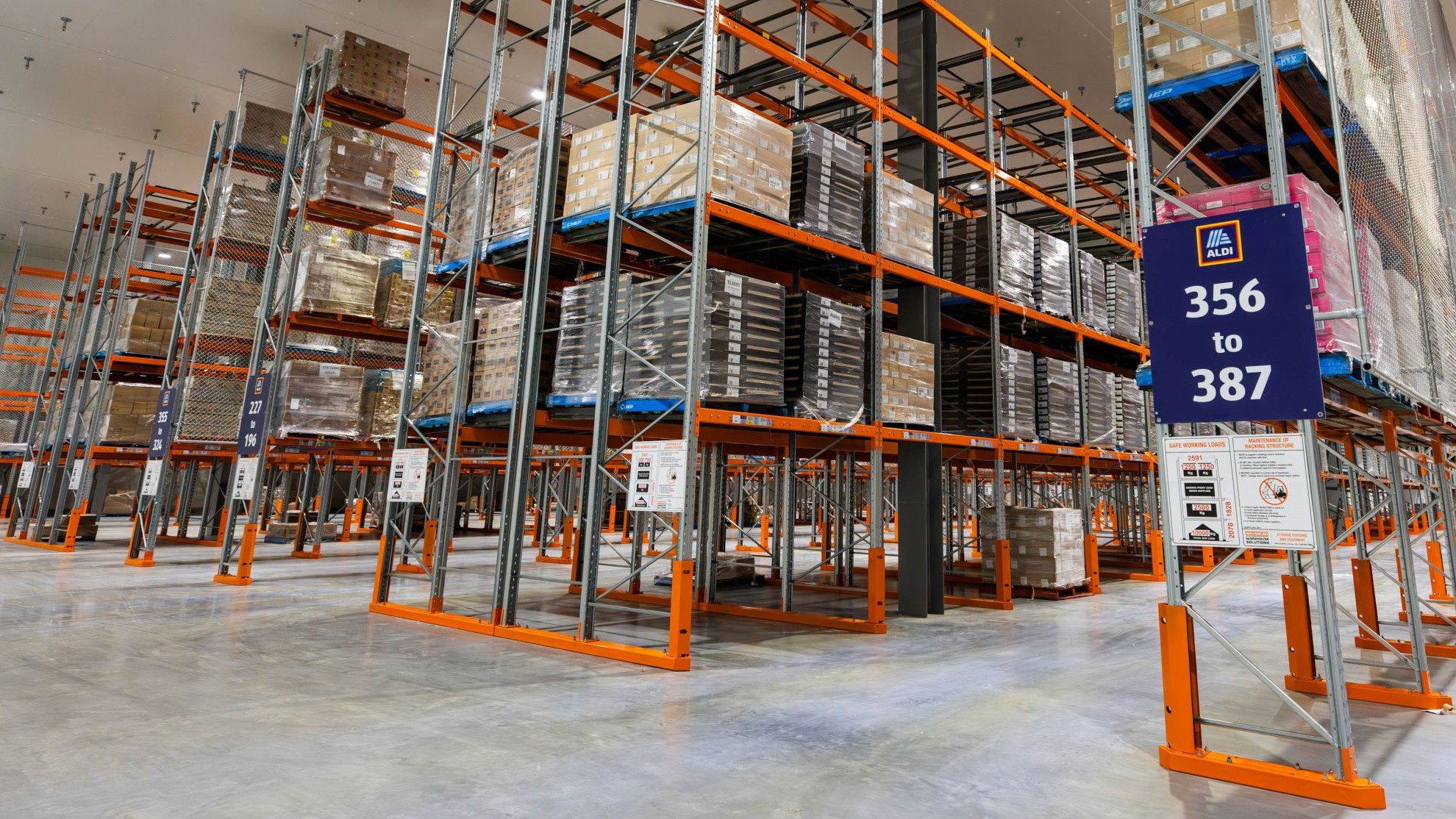
Andrew Duong worked in a warehouse role for supermarket giant Aldi. Image: Aldi Australia / LinkedIn
An assessment hearing in June 2026 involved a “significant dispute about the buffer sought and the claimant’s current and future work capacity”, Carr wrote in his decision.
Lawyers for the NRMA “put appropriate questions about several concerns the insurer had” to Duong in a “robust and forceful” examination, he said.
“However, despite a diligent and concerted effort to test the claimant’s evidence, he was believable, credible, and forthcoming with appropriate denials and responses when questioned,” Carr wrote.
Desk jobs less protected from potential automation
Duong told the commission that while he studied information technology at TAFE after completing his HSC in 2009, he “signed up for the courses because he had an interest in computers and not because he had intended to pursue a career in computers”, Carr wrote.
However, Duong agreed that sedentary computer-based roles were not physically restricted and would not require him to move his arms above his shoulder, Carr added.
Jobs involving manual labour, such as warehousing and transportation, are among the roles most protected from potential AI automation, according to recent Australian government research.
Largely computer-based positions, such as those in data entry, record-keeping, and accounting, have been found to be among the most vulnerable.
Another first-of-its-kind government report released in July found there was "no evidence to date of broad labour market upheaval” in Australia caused by generative AI.
This was despite some local companies hiring fewer entry-level workers while using more AI tools, and the technology having been cited as a factor in recent job cuts by the likes of the Commonwealth Bank, Microsoft, Officeworks, WiseTech, Telstra, Afterpay, and Atlassian.
A different Aldi worker’s use of incorrect AI-generated legal advice recently saw them ordered to pay legal costs after they pursued an unfair dismissal claim they were not eligible to make.