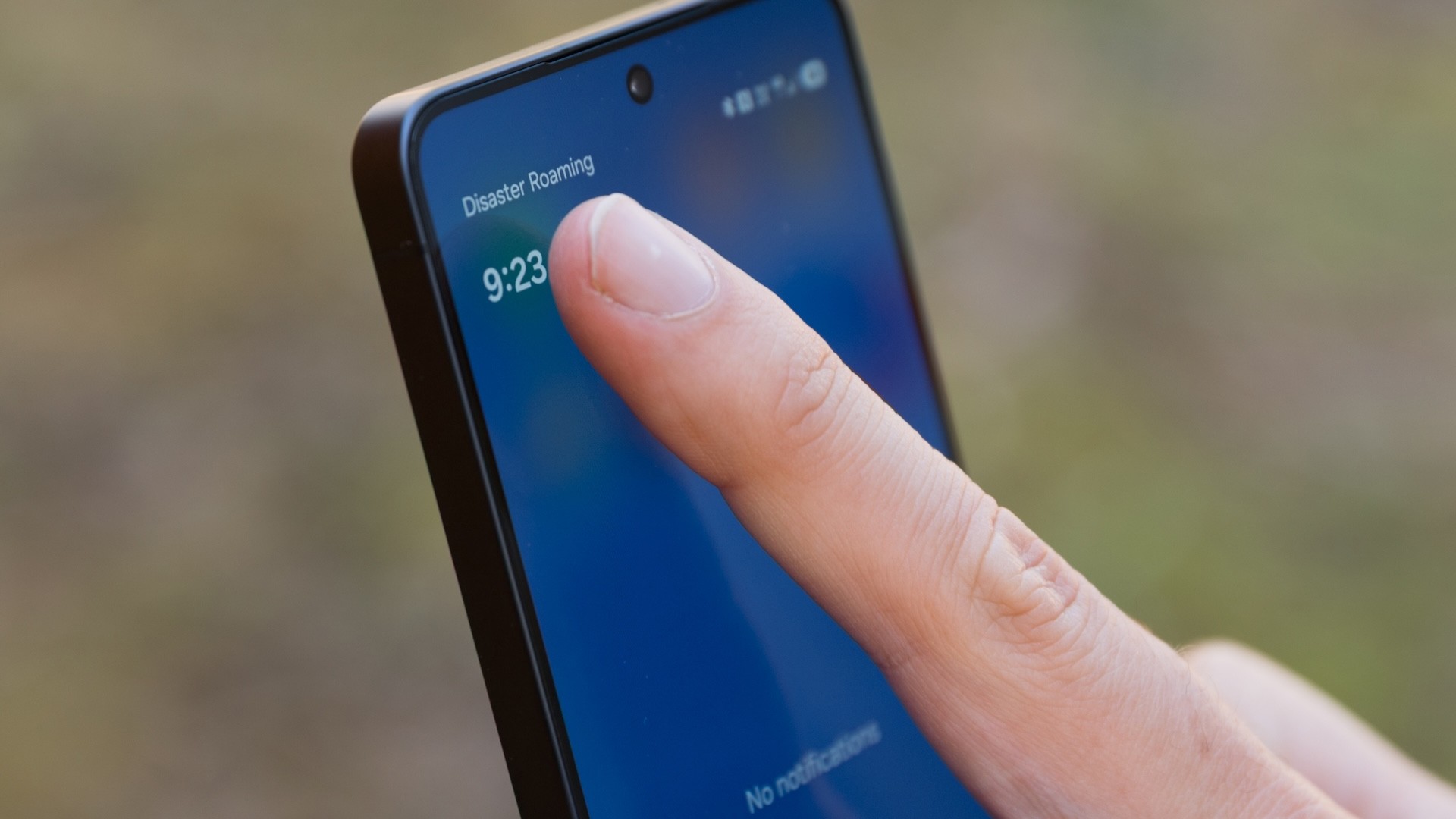

Consumers can now expect better connectivity during disasters after Telstra, Optus and TPG Telecom implemented temporary disaster roaming (TDR) capabilities that will connect mobile devices to either of the other two networks when their primary service goes down.
Several years in the making, the system will enable disaster-affected residents to make phone calls, send text messages, and access low-speed data services like WhatsApp or iMessage.
Telstra can turn it on at no extra cost in particular areas when a bushfire, flood, cyclone or other extreme weather event hits a regional area, although the company cautions that TDR may not work where backup generators can’t provide power, and won’t work in city areas.
It also won’t support non-smartphone devices such as medical alarms and EFTPOS terminals, and may not work on mobile phones older than 2022 because TDR requires that devices support VoLTE roaming features.
“It’s important to note we will only switch on TDR in situations where it can be done safely and without affecting emergency communications,” Telstra noted.
The service, it added, will only be switched on “where another participating network is switched on and can carry the extra demand while still maintaining access to Triple Zero services.”
TDR’s launch caps off years of effort to improve the resilience of mobile networks when natural disasters affect a network’s local transmission towers, leaving residents scrambling for a signal even as neighbours on other networks remained connected.
“This is a significant win for regional Australia,” Independent Federal Member for the regional seat of Indi Dr Helen Haines said, “[that] gives people a back-up option to call for help, receive emergency warnings, check maps or contact family when they need it most.”
A longtime advocate for TDR after her electorate’s struggles with recent natural disasters, Haines said the upcoming bushfire season “will be an important test of how quickly this system can be activated and how reliably it works when communities are under pressure.”
Only the beginning of better reliability
TDR brings Australians a capability already live in countries including Japan, Chile, Canada and the US, where the Mandatory Disaster Response Initiative is obligatory – yet consumer groups and telcos have different takes on the way Australia’s system has been designed.
Collaboration between telcos, technology vendors and device makers “are leading the world to address gaps in global technology specifications to improve emergency call reliability,” Australian Telecommunications Alliance (ATA) CEO Luke Coleman said before TDR’s launch.
The partners tested a range of emergency calling scenarios at the UTS National Telecoms Resilience Centre and submitted a proposal for improved emergency roaming to global mobile standards body the 3rd Generation Partnership Project (3GPP).
“Mobile network operators are also prepared to activate Temporary Disaster Roaming (TDR) ahead of the high-risk weather season,” Coleman added, noting that telcos will have to request TDR activation from other carriers’ network operations centres.
Yet the design of the system leaves its activation in the hands of the telcos – a design flaw that ACCAN CEO Carol Bennett excoriated, saying that “we are concerned that this model relies heavily on telco discretion, and this won’t give many people confidence.”
Fears that an onslaught of rival carriers’ customers could overwhelm their own network saw carriers negotiate hard over the terms of TDR.
Activations time out after 24 hours and are limited to no more than three disaster areas at once, with each area at least 400km apart and TDR capabilities activated on no more than 15 mobile towers per area.
“Any arrangement that helps people stay connected in a disaster is better than none,” Bennett said, but “public safety cannot rest on voluntary arrangements that the telcos can choose to turn on and off.”
“We know that best-effort commitments from this sector often disappoint.”
Still a long road to resilience
For all its value during disasters, TDR is one of many steps required to improve the overall reliability of Australia’s mobile networks – a lingering question after avoidable Telstra and Optus outages caused widespread chaos.
With TDR now available, the telecommunications industry is now digesting the scathing independent report that found had for years ignored key warning signs that could have avoided the disastrous outage, and the interruption to Triple Zero services that it caused.
The ACCC recently empanelled a year-long inquiry into a range of telecommunications reforms to address lingering gaps in Australia’s mobile services – particularly in the regional areas where TDR complements services like satellite to mobile calling.
A key focus of the inquiry will be the possibility of mandating domestic roaming between carriers – a bridge too far for Telstra, which opposes mandatory roaming without commercial negotiations.
“We rely on telcos to ensure that their networks are managed with the seriousness commensurate with public safety,” ACCAN CEO Carol Bennett recently said, advocating for TDR to be mandated along with domestic roaming.
Haines agrees, noting that “Temporary Disaster Roaming is an important safety net… but now we need to make sure the networks themselves are resilient enough to keep people connected in the first place.”