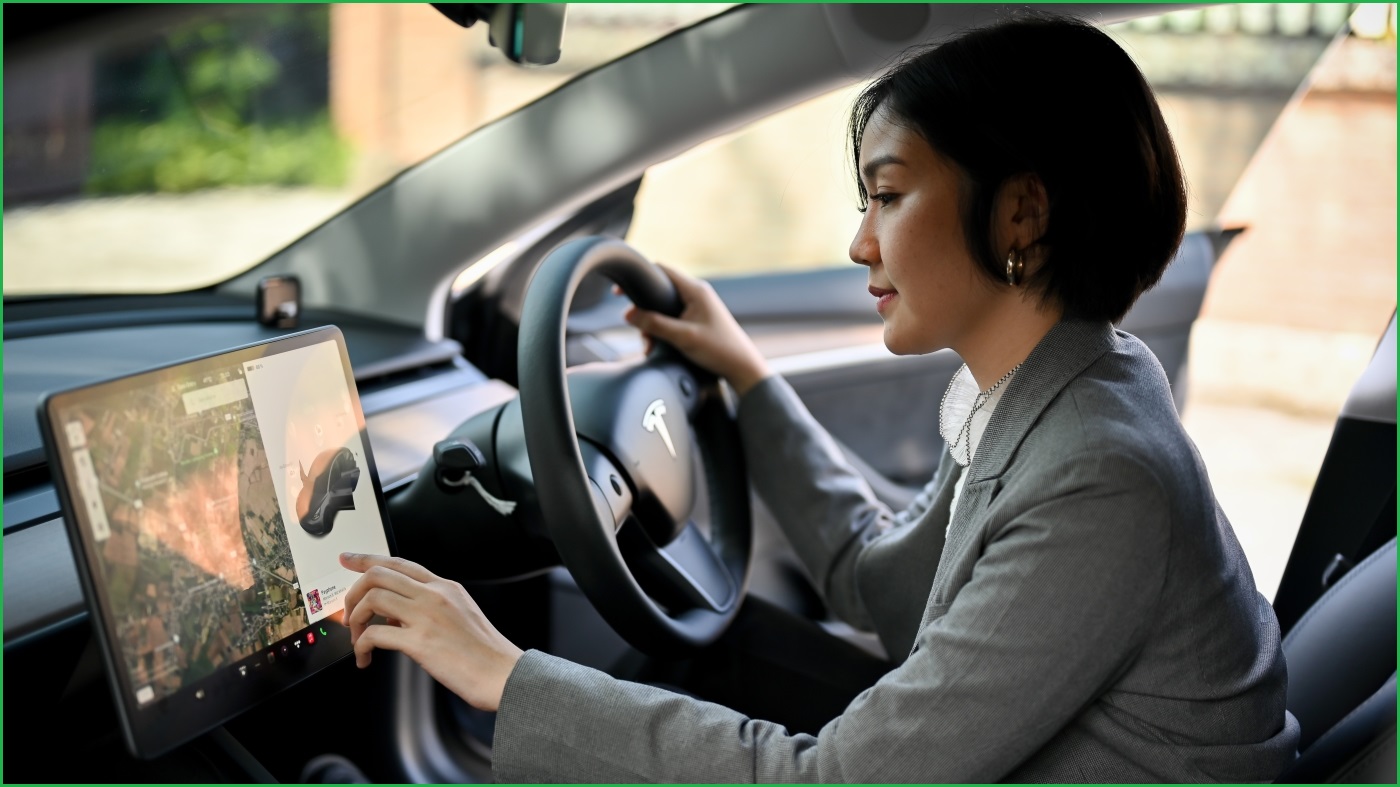

Tesla single-handedly brought electric vehicles (EVs) to the mainstream, but a dramatic drop in unit shipments — and record Australian sales by Chinese rival BYD — highlight just how quickly fortunes are changing as consumers’ EV interest rebounds.
Tesla sales fell by 13 per cent globally compared to the same period a year ago, the company’s latest quarterly figures revealed last week, with the firm selling 384,122 vehicles in the quarter to June — down from 443,956 year-on-year.
Although Tesla’s Model Y remains Australia’s best-selling EV, BYD said its more competitively priced models sold more than 8,000 units locally in June — a 368 per cent increase on the same month last year.
Figures from the Federal Chamber of Automotive Industries showed BYD was the country’s fifth best-selling car brand in June.
The brand was also second only to Tesla in 2025 EV sales, confirming buyers are welcoming low-priced EVs even as brands like Mitsubishi struggle to find the right product mix.
While the Electric Vehicle Council (EVC) found Australian battery electric vehicle (BEV) and plug-in hybrid EV (PHEV) sales in the first half of this year outpaced the same period last year, the composition of the market is rapidly changing.
With Australian demand for its Model 3 dropping by 65 per cent this year, Tesla’s market dominance is less of a sure bet than in years past.
After eight months of declines, with CEO Elon Musk’s bizarre behaviour in the new Trump administration fuelling widespread protests and boycotts of the brand, Tesla eked out a 0.8 per cent shipment rise in June after seeing profits drop 71 per cent.
This, as BYD saw global shipments increase by 11 per cent year-on-year to 377,628 units during June alone — highlighting the surging competitive pressure on Tesla as sales fell 27.9 per cent in Europe in May, its fifth straight month of decline there.
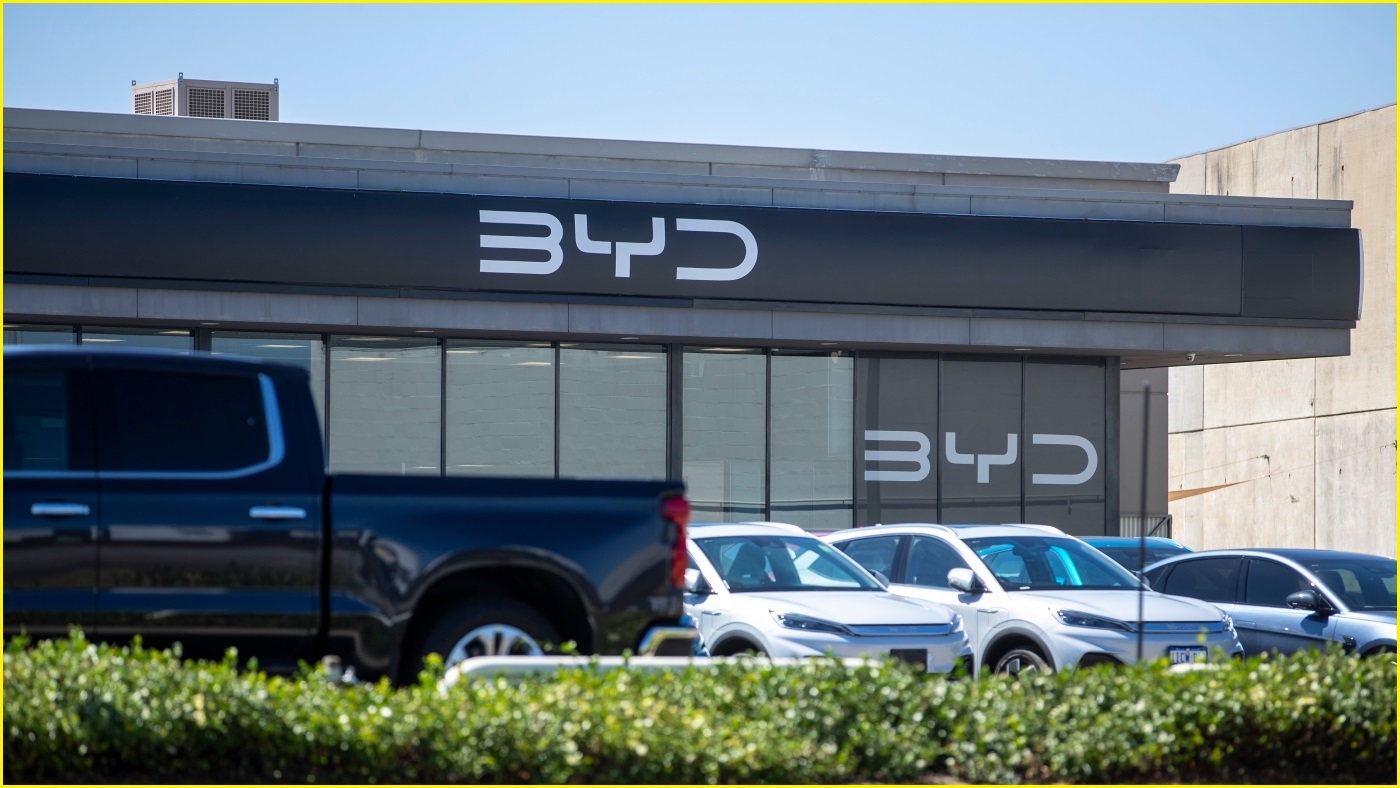
BYD says it saw a 368 per cent year-on-year increase in Australian sales in June. Image: Shutterstock
Australians warming to EVs again — but less so to Tesla
The diversification of EVs has brought many Australian car buyers back into a market many had abandoned for a range of reasons, with Carsales’s latest EV Survey Report finding Australians’ interest in EVs increased in May after three years of decline.
Fully 37 per cent of the 2,848 surveyed buyers were interested in EVs, the report found, compared to 30 per cent in November — although Tesla was no longer an automatic purchase among buyers, who have more EV options than ever before.
“The brand battleground is shifting [and] consumers are becoming more selective,” Carsales data services director Ross Booth said, noting “BYD’s rise shows what happens when pricing, product and trust align”.
Although 91 per cent of EV buyers were aware of Tesla as a brand, the percentage of EV buyers that actually chose Tesla dropped from 44 per cent in November to just 31 per cent in May — ranking the carmaker twelfth in terms of converting awareness into sales.
That had worked to BYD’s favour, with the Chinese brand enjoying 63 per cent conversion rates — confirming, Booth said, that “BYD has cemented its lead, now topping the charts for both awareness growth and buyer consideration”.
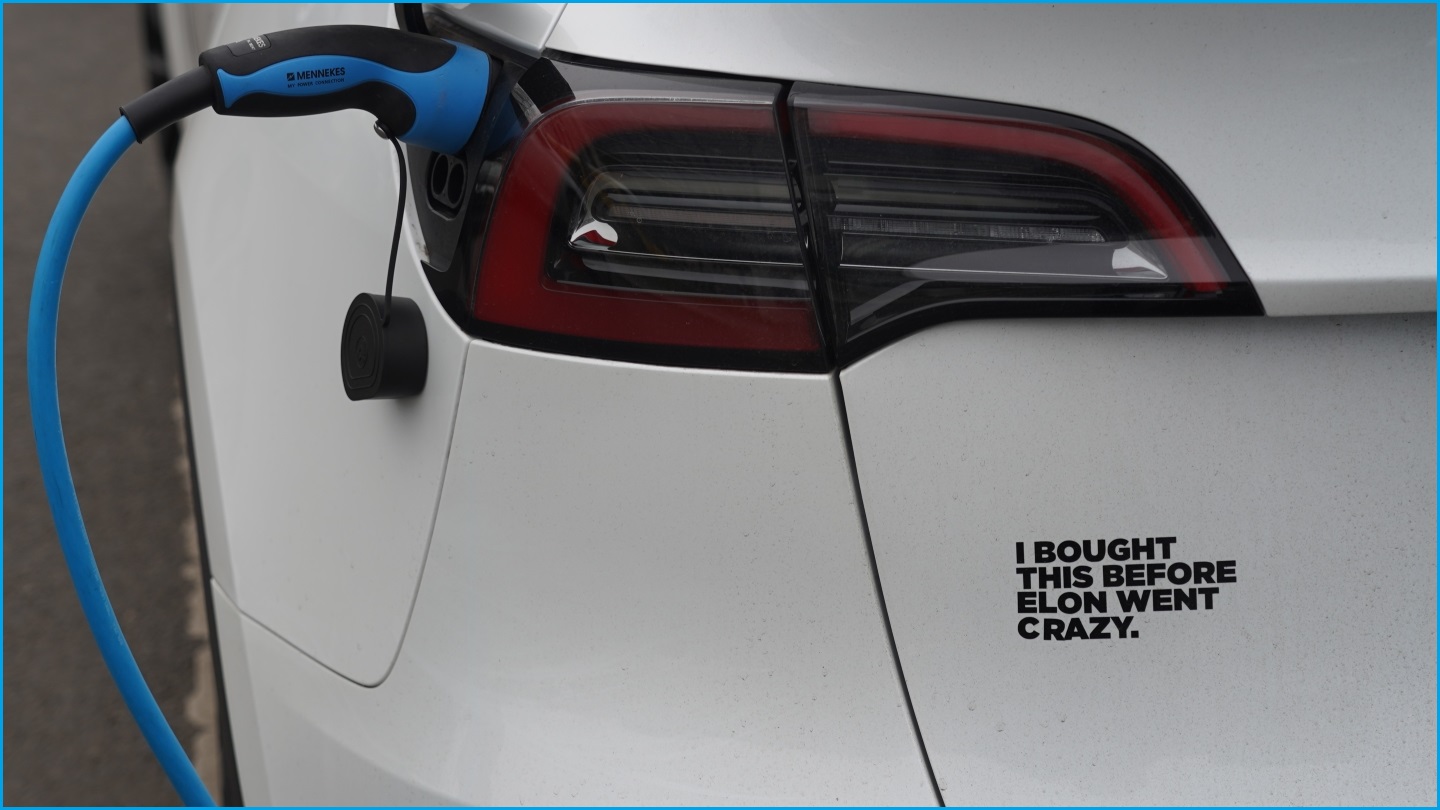
Tesla has lost ground with Australian consumers, according to a survey by Carsales. Image: Shutterstock
Misconceptions still putting many off EVs
Despite many Australians’ newfound interest in EVs, Carsales found many buyers were still eschewing such vehicles due to lingering misconceptions about what it is like to own one.
Networks of EV charging stations, for example, have expanded across the country but Carsales found 63 per cent of those surveyed believed there were two or fewer public chargers within a 10 kilometre radius of their home — even though actual numbers were much higher.
By 2030, Carsales found, just 19 per cent of respondents believed they would be driving an EV — but 83 per cent of current EV owners said they were likely to buy another as their next car.
“The transition to electric vehicles is picking up speed,” said EVC CEO Julie Delvecchio, noting that recent changes to the New Vehicle Efficiency Standard are “bringing consumers more choice in electric cars and more competitive prices.”
“Once people make the switch to electric driving, they tend to stick with it.”