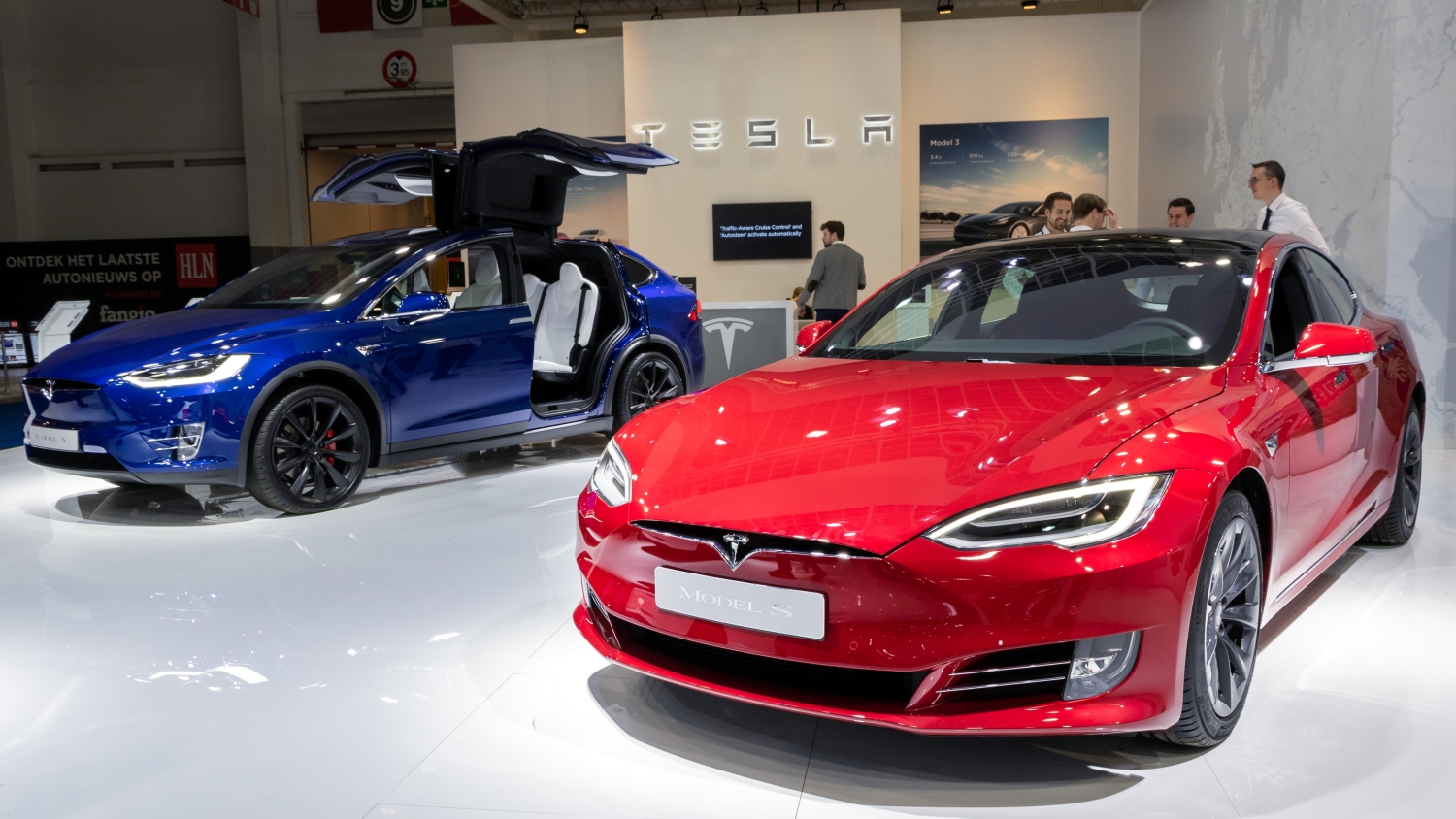

Tesla will globally discontinue its luxury Model S and Model X electric vehicles in the second quarter of 2026 to repurpose manufacturing lines to build its autonomous humanoid robot Optimus, CEO Elon Musk told investors in a surprise announcement on Thursday.
The change was necessary for the company to continue increasing the autonomy of its products and move towards making robots at scale, said Musk, who described the announcement as “slightly sad”.
“It’s time to basically bring the Model S and X programs to an end, with an honorable discharge, because we’re really moving into a future that is based on autonomy,” he told an investor call.
Sales of Tesla's Model S sedan (which began production in 2012) and its Model X SUV with gull-wing doors (produced since 2015) helped establish the brand, but deliveries have declined in recent years as the company has prioritised its cheaper Model 3 and Model Y vehicles.
The company already stopped producing the Model S and Model X in right-hand drive in 2023, when it refunded Australian customers who were still waiting for their orders.
Sales of the Model S, Model X, and Tesla’s controversial Cybertruck saw a 40 per cent drop in 2025, according to new figures released on Thursday.
Tesla's recent sales slump has also seen Chinese rival BYD overtake its annual sales of battery electric vehicles to become the world’s bestselling EV maker, according to figures released in January.
Tesla will still provide support for its Model S and X cars for “as long as people have the vehicles”, Musk said.
“But we’re going to take the Model S and X production space in our Freemont [California] factory and convert that into an Optimus factory, with the long-term goal of having a million units of Optimus robots in the current S and X space in Freemont.
“It’s part of our overall shift to an autonomous future.”
Scaling up Optimus and autonomous vehicles
While Tesla’s Optimus robot was still in the “early stages” of research and development (R&D), Musk again suggested the company would begin significant production of the robot around the end of 2026.
Optimus robots had already carried out “some basic tasks” in Tesla factories, he said, but were mainly being deployed there “so the robot can learn”.
He also said Tesla did not have plans to replace factory workers with Optimus robots, and argued the company would instead need more employees than it currently had in manufacturing.
Musk argued Optimus, which has previously been briefly demoed at Tesla press events, would surprise people with its capabilities when the company reveals its Optimus 3 model in the coming months.
He described the device as “a general-purpose robot that can learn by observing human behaviour”.
"So you can demonstrate a task, or verbally describe a task … even show it a video, and it will be able to do that task,” he said.
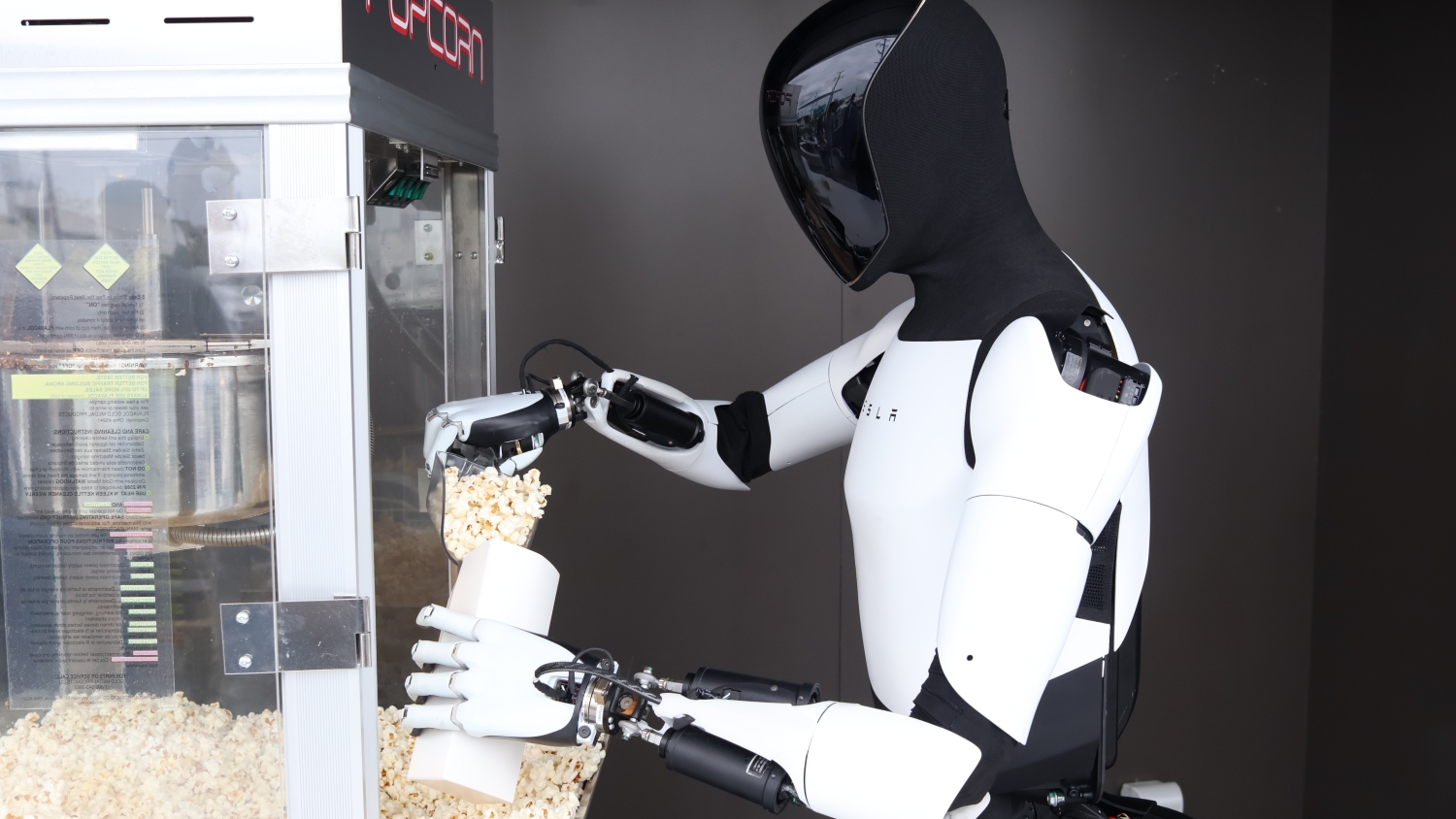
An Optimus humanoid robot serves popcorn at a Tesla Diner event in Los Angeles in 2025. Image: Shutterstock
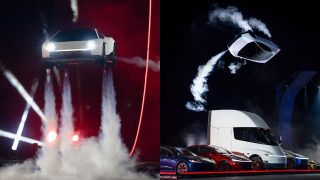
Musk previously suggested Tesla would also begin mass production of its electric Semi truck and self-driving Cybercab in 2026.
“Long term, really the only vehicles we’ll make will be autonomous vehicles, with the exception of the next-generation Roadster which we’re hoping to debut in April, hopefully,” he said on Thursday.
Supervised self-driving capabilities became available to Australian Tesla vehicles in 2025, but the federal government is not expected to finalise national rules for fully autonomous vehicles until at least 2027.
Tesla’s Cybercab is expected to face competition from the likes of Amazon’s robotaxi service Zoox and Alphabet’s more publicly prominent Waymo, which is already eyeing off an expansion into Australia.
Concerned by AI chip and RAM shortages, Musk teases ‘bigger announcement’
Musk said Tesla would make major investments in batteries, solar cells, and computer chips in 2026, as he teased a “bigger announcement” which could see the company begin to manufacture its own semiconductors.
Tesla’s ability to reach its autonomous goals faced geopolitical risks, limited chip production from suppliers such as Samsung, TSMC, and Micron, and an industry-wide RAM shortage driven by generative AI workloads, Musk told shareholders.
“Right now, I see that as being the thing that probably limits our growth in three-to-four years,” he said.
Musk reiterated his belief that Tesla should build its own semiconductor manufacturing capabilities to bolster the company’s capacity, and teased “a bigger announcement on this in the future”.
Tesla also needed to make sure it had enough chips for its vehicles, robots, and data centres before it could consider selling its chips externally, the CEO added.
Musk has billions of dollars riding on his ability to achieve Tesla’s vision for autonomy, after shareholders approved a major pay package in November 2025 which could see him become the world’s first trillionaire if performances targets are met over the coming years.