
Alphabet’s self-driving robotaxi venture Waymo is negotiating with Australian regulators to test its service locally as soon as this year, even as the government works towards conditional deployment of automated vehicles from 2027.
The revelations emerged after Freedom of Information (FOI) documents, published last week by The Sizzle, showed Waymo officials met with Mike Makin, assistant secretary for the Department of Infrastructure, Transport, Regional Development, Communication, Sport, and the Arts (ITRDCSA), in 2025.
Makin was contacted by Waymo’s head of international policy and government affairs, George Ivanov – who had previously spoken with Makin in 2023 – and spruiked the company’s subsequent testing of its technology on right-hand drive Jaguar I-PACE cars in Tokyo.
That was Waymo’s first venture outside the United States – where it operates in San Francisco, Phoenix, Los Angeles, and several other US cities – but it won’t be the last: the company will this year also go live in London, challenging the city’s storied black cabs.
Waymo also hopes to begin testing its self-driving technology – known as Waymo Driver – in Australia soon, with Ivanov writing to minister for ITRDCSA, Catherine King, in October to request a “confidential briefing” in which it would lay out its “2026 plans in Australia”, according to the released documents.
In September, Makin wrote Ivanov to confirm he had spoken with the team managing Road Vehicle Standards (RVS) approvals, which are required by law to legally import cars into Australia and demand special dispensation to import cars that are not roadworthy.
Waymo has reportedly held discussions with the New South Wales government about launching in Sydney and has begun searching for an office in the city, according to the Australian Financial Review.
Automated vehicle laws not expected until 2027
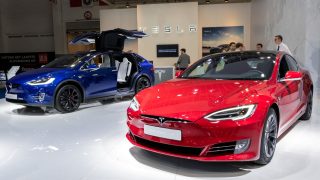
The government’s dialogue with Waymo came during a period last Spring in which Tesla was found to have been testing its supervised full self-driving (FSD) feature in Australia.
The “supervised” nomenclature is a nod to local regulatory requirements that drivers must always be in control of the vehicle.
That technology became available in Australia shortly thereafter, as Tesla ramped up its global push to get the tech into as many of its vehicles as possible, including a recent decision to stop selling FSD as a one-off purchase and shift to a subscription-only model.
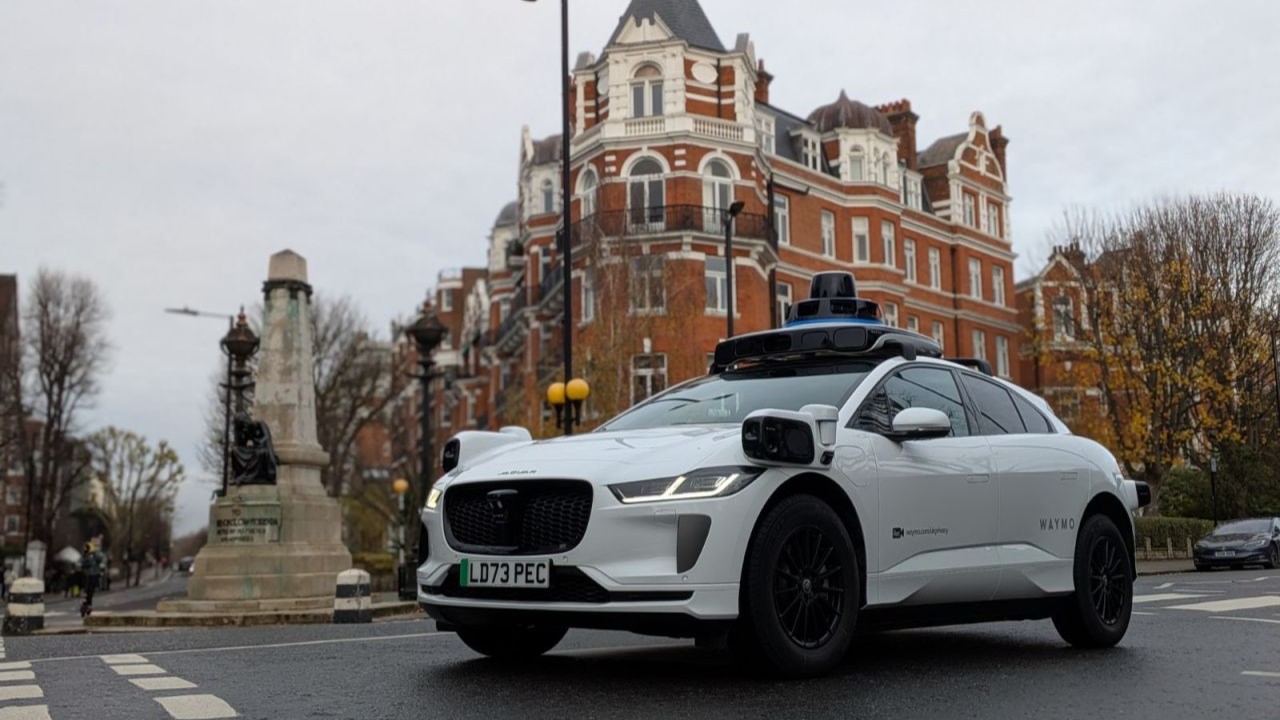
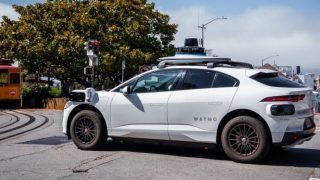
Waymo says it plans to begin offering its service on the streets of London (pictured) in 2026. Image: Waymo
Waymo, however, faces a different regulatory journey since, unlike Tesla’s supervised FSD feature, Waymo robotaxis are designed to operate without any driver at all – currently a bridge too far for Australian road rules that consider the presence of a driver as a given.
In October, an updated National Road Transport Technology Strategy set out a policy overhaul that would lead to the passage of a formal Automated Vehicle Safety Law (AVSL).
Yet the AVSL is not expected until 2027 according to the timeline of the government’s National Connected and Automated Vehicle (CAV) Action Plan, suggesting Waymo’s 2026 timeline may be optimistic unless it is granted testing approval by a particular state.
Robotaxis still learning the road rules
The introduction of robotaxis to Australia has been discussed for years, even as overseas ventures notched up early wins that led to often troubled commercial rollouts.
The 2023 debut of self-driving taxis in San Francisco – where Waymo and GM-backed rival Cruise took to the streets after regulatory approval and were then suspended after disastrous interactions with emergency services – paved the way for subsequent rollouts across the US.
Like Tesla, Waymo argues self-driving technologies are safer than human drivers – with data showing Waymo robotaxis travelled 204 million kilometres through last September with 90 per cent fewer serious injury crashes and 81 per cent fewer injury-causing crashes.
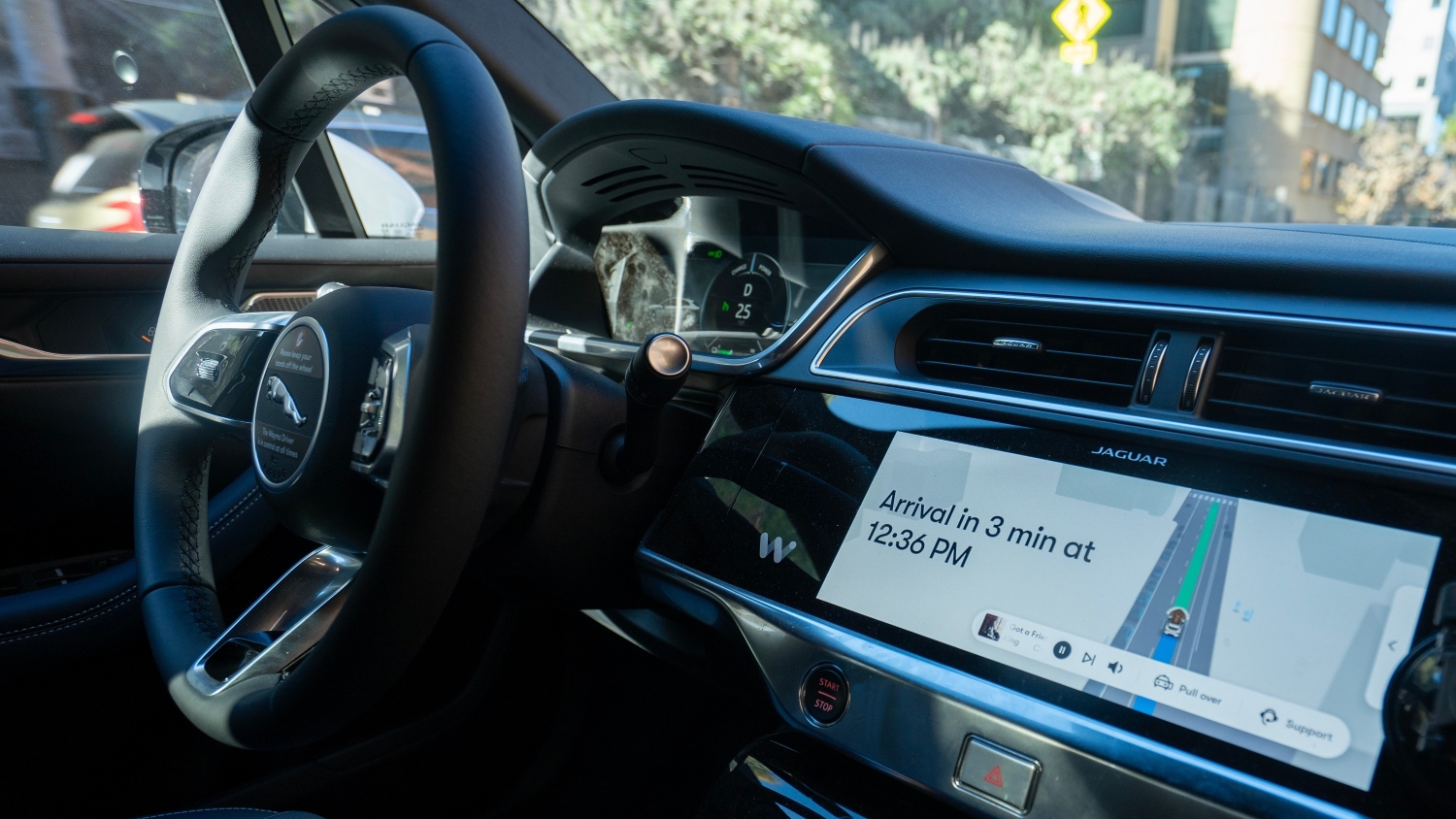
Waymo robotaxis operate autonomously without the presence of a human driver. Image: Shutterstock
Yet in December, Waymo drew attention for the wrong reasons after a widespread power outage in San Francisco blacked out street lights, causing its robotaxis to stop dead as a safety failover, with each vehicle rescued by humans and Waymo writing it off as a learning experience.
Waymo was also recently reported to be paying people $30 ($US20) to physically close the open doors of stranded robotaxis, after revelations vehicles were being routinely stranded after passengers did not properly close their doors.
Tesla CEO Elon Musk has previously linked the future of the company to the success of robotaxis, which drove a shareholder selloff in late 2024.
Investors later approved an eye-watering $1.5 trillion ($US1 trillion) compensation plan, whose fulfilment requires widespread adoption of Tesla robotaxis.
Tesla has offered robotaxis with supervising drivers for months, but in December Musk confirmed it had begun testing driverless robotaxis in Austin, Texas – driving a share recovery and setting the stage for a potential battle with Waymo and other contenders.
That field is likely to get crowded quickly, with electric vehicle maker Rivian recently demonstrating its own self-driving technology and AI chip giant Nvidia debuting an autonomous vehicle architecture that will allow any carmaker to introduce self-driving features.