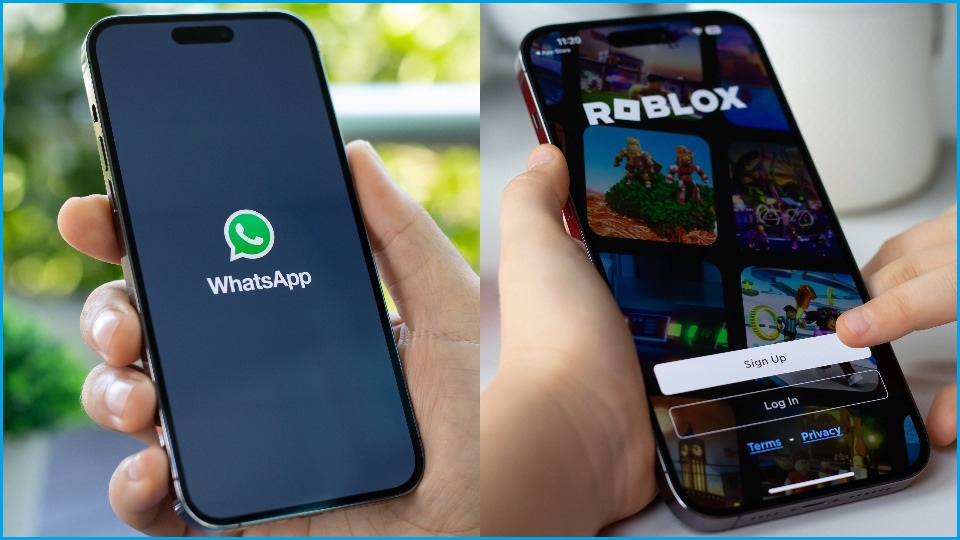

Messaging services such as WhatsApp and gaming platforms such as Roblox and Lego Play have reportedly been advised by the eSafety Commissioner that they may need to comply with Australia's forthcoming ban on under-16s holding social media accounts.
An “initial” list of 16 platforms contacted by eSafety Commissioner Julie Inman Grant was reported by ABC News on Wednesday — including some known predominantly as messaging and gaming services which were expected to be exempt from the ban due to carve-outs for such platforms.
While Inman Grant reportedly said the regulator had conducted research on “about 100 different platforms”, the ones eSafety had contacted so far reportedly included:
- Meta (concerning Facebook, Instagram, and WhatsApp)
- Snapchat
- TikTok
- YouTube
- X (formerly known as Twitter)
- Roblox
- Discord
- Lego Play
- Kick
- GitHub
- HubApp
- Match
- Steam
- Twitch
Inman Grant reportedly said not all the platforms contacted by her office would definitely be covered by the ban, but argued the regulator needed to “hear them all out” by directing them to use a self-assessment tool developed by eSafety.
The tool has been designed to help platforms determine if they would fall under the ban on under-16s, which begins on 10 December.
"We're waiting to get back all of those [self-assessments] and then we're doing our own assessments," Inman Grant reportedly said.
Companies which believed they should be exempt from the legislation — and most have argued that so far, Inman Grant said last week — have allegedly been told to inform eSafety and to provide evidence.
Dr Jennifer Duxbury, the director of policy, regulatory affairs, and research at Digital Industry Group Inc (DIGI) — which represents the likes of Discord, Google, Meta, TikTok, Snap, and Twitch — told a Senate committee on Wednesday that some member companies still had concerns about the social media age ban, but did not go into detail.
“We are working hard to ensure that we implement these requirements within the timescales, and within the constraints of the technology,” she said.
Duxbury said platforms were aware of the December deadline and were “working hard” to uphold their regulatory obligations after eSafety last week revealed how companies will be expected to enforce the age ban.
“The guidance on how companies should go about implementing these restrictions has only just been released — it was literally released last week,” she said.
“We are aware of the fact that our members are having conversations with the eSafety Commissioner, and I imagine that those conversations are going to continue.”
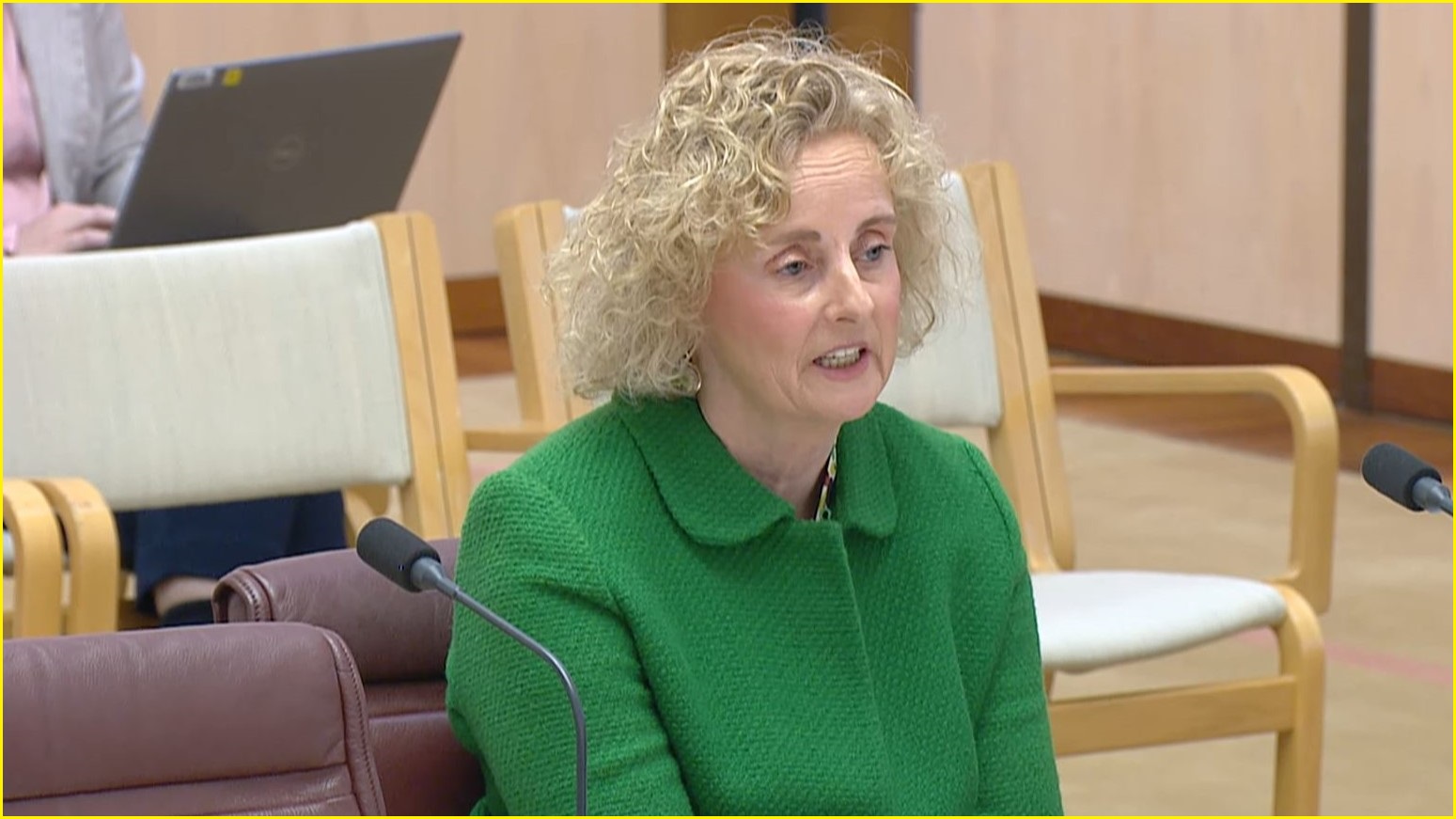
DIGI's Dr Jennifer Duxbury says some digital platforms still have concerns about Australia's social media age ban. Image: Australian Parliament / YouTube
Platforms attempt to get ahead of ban
Some Australian users of game-focused social chat platform Discord have already reported being asked to verify their age, while Roblox — a popular game-building platform with chat functions — is already locking down the accounts of under-16s.
Despite that move, Roblox reportedly told ABC News it completed eSafety’s self-assessment process and told the regulator it believed it was “an exempted online gaming platform”.
Meta’s popular image and video-sharing platform Instagram began moving Australian teenagers to dedicated Teen Accounts in 2024, and the platform this week began testing using artificial intelligence technology to catch out teens who had listed an adult birthday but were actually under 18.
The company has continued to argue that more responsibility for age gating should be placed on Apple’s App Store and Google Play, which distribute apps.
Meta's regional policy director for Australia, Mia Garlick, argued app stores should “give parents the ability to verify their teens’ age directly at the point of download, which could then send a signal to apps like Instagram regarding a person’s age range”.
Apple announced such plans in February and released software updates earlier this month which enabled parents to share their children’s age range with apps.
On Google Play, users need to verify their age to view adult material and services.
Google’s YouTube, which was originally expected to be exempt from the social media age ban, was included in the list in July following a government backflip.
At the time, the video streaming giant said it had started US trials of AI-based age verification, after announcing the plans back in February.
VPNs ‘perfectly lawful’ as Australians face age checks across the web
Australians can also expect to have their ages checked when using search engines in a logged-in state from December, and when accessing pornographic websites and harmful content from March 2026, under new safety codes co-created by the technology industry.
Duxbury from DIGI admitted during Wednesday’s Senate committee hearing that it was “perfectly lawful” for Australians to use virtual private networks (VPNs), which obscure their location online and could be used to avoid some age checks.
The technology recently saw a spike in popularity in the United Kingdom, after similar online age checks were legislated there.
Duxbury also told the hearing that platforms saw privacy as “a very important consideration” in designing and abiding by the new codes.
“And it’s one of the criteria that needs to be considered in assessing whether the measures that have been introduced are appropriate,” she said.