
OpenAI is shutting down its text-to-video generator Sora less than 18 months after it launched and is reportedly losing a $US1 billion investment from Disney, which had licensed many of its characters for the platform.
The decision comes as OpenAI attempts to consolidate its numerous projects while facing rising competition from other AI companies and the growing costs of its own AI infrastructure and processing.
"We’ve decided to discontinue Sora in the consumer app and API,” an OpenAI spokesperson told Information Age.
The company did not share an official closure date for Sora, but it confirmed the platform would also become unavailable on the web.
“As we focus and compute demand grows, the Sora research team continues to focus on world simulation research to advance robotics that will help people solve real-world, physical tasks,” the spokesperson said.
OpenAI would instead focus its computing resources on agentic AI tools and its ambition to create AI systems which are as smart as humans (known as artificial general intelligence, or AGI), the company added.
It said it needed to prioritise “the highest-value uses” of its compute in order to advance that mission.
After getting off to an early lead in the generative AI race following the launch of its popular chatbot ChatGPT in November 2022, OpenAI has faced increasing competition from Big Tech incumbents such as Google and smaller AI firms such as Anthropic.
OpenAI CEO Sam Altman declared a “Code Red” at the company in December amid major improvements to Google’s Gemini AI models, before Anthropic caused jitters for traditional software stocks and partnered with OpenAI’s longtime partner Microsoft.
The company also recently received some criticism for agreeing to a controversial new deal allowing the US military to use its AI systems, after Anthropic declined to sign it.
Sora’s brief history
OpenAI first showed off Sora in February 2024, but did not open the platform publicly until December of that year – and initially only to paying ChatGPT subscribers.
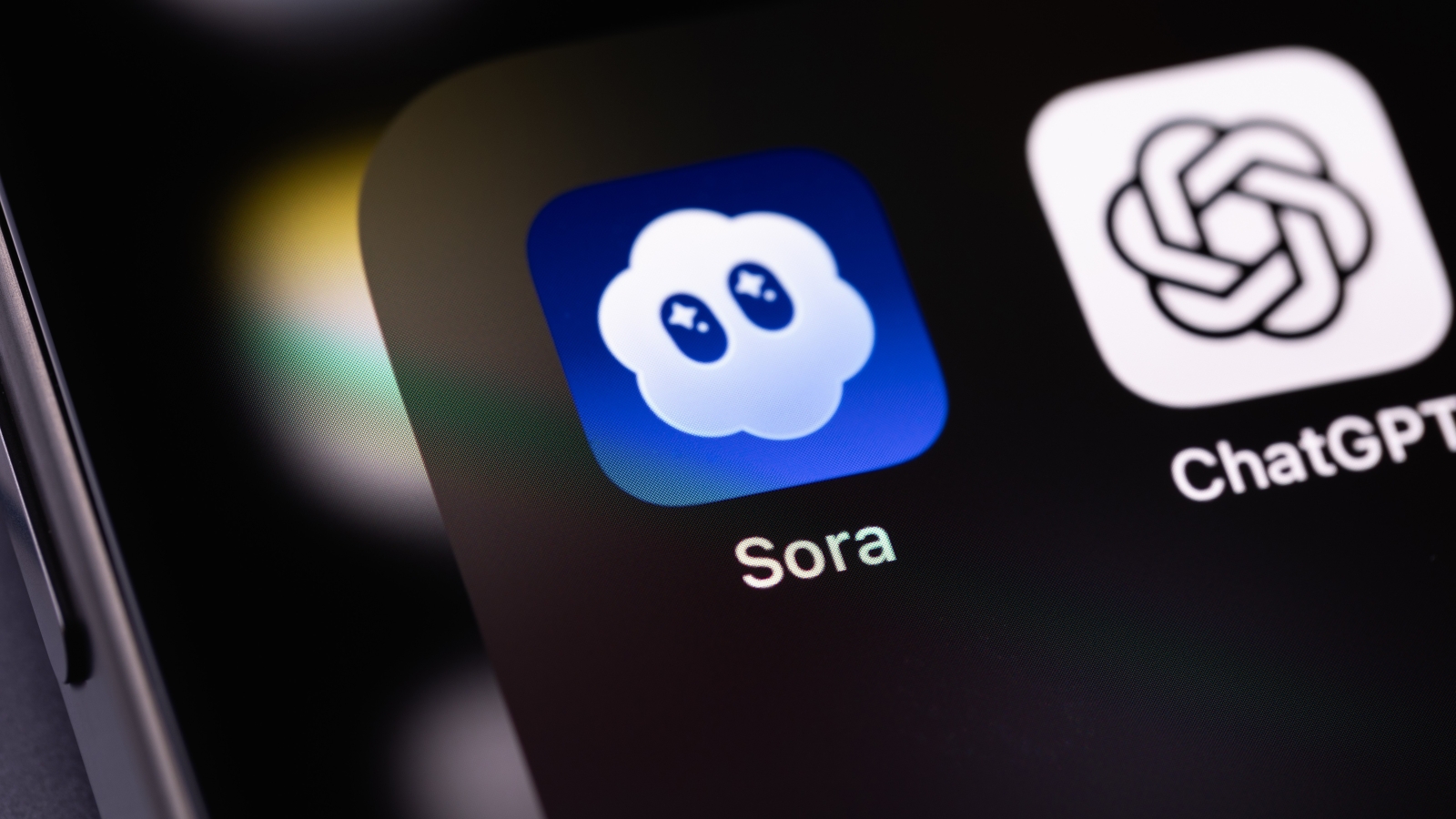
It later opened Sora to most of its users and launched its improved Sora 2 model in September 2025, along with an accompanying mobile app with a social media slant, including a ‘For You’ page and endless scrolling like other video platforms such as TikTok.
Users could create digital likenesses of themselves to make videos with, or use those shared publicly by other users, including some celebrities.
The app initially launched with an opt-out model for copyright holders who did not want their material or likeness to be used without permission, but this was changed to an opt-in model just days later, following criticism.
While Sora 2 and the Sora app have not been made available in Australia, local ChatGPT users could use the original version of Sora through OpenAI’s website.
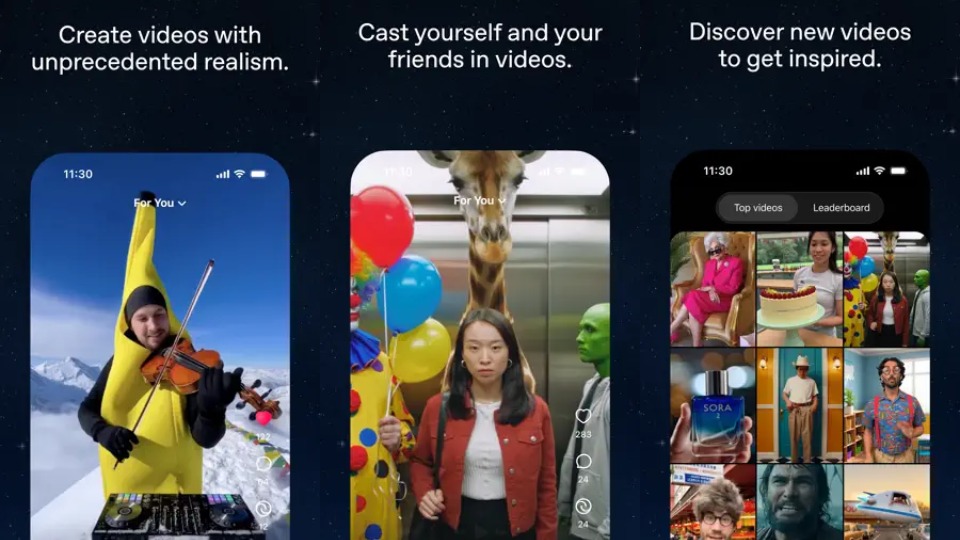
OpenAI launched a social media app for Sora to compete with the likes of Meta's AI video app Vibes. Images: OpenAI
“To everyone who created with Sora, shared it, and built community around it: thank you,” OpenAI’s Sora team posted on social media on Wednesday.
“What you made with Sora mattered, and we know this news is disappointing.
“We’ll share more soon, including timelines for the app and API and details on preserving your work."
The Sora team also posted a video on its own platform of a cartoon crab character standing on a beach reciting the words, “Hi guys, just wanted to say goodbye.
“Thanks for all the memories – it's been the time of my life.”
The team decided to discontinue Sora “after careful internal discussion about our broader research priorities”, it wrote in the video’s caption.
OpenAI had promoted Sora on its website and social media channels as recently as 23 March, including in a new post about safety protections it had built into the platform.
OpenAI, Disney deal reportedly called off
Disney, which announced in December 2025 that it would invest $US1 billion ($1.4 billion) in OpenAI while also licensing more than 200 Disney, Marvel, Pixar, and Star Wars characters for use in Sora, is reportedly no longer proceeding with the three-year deal now that Sora is closing.
Disney was also expected to make some fan-inspired Sora videos available to view on its streaming service, Disney+, under the OpenAI deal.
A Disney spokesperson told Information Age, “As the nascent AI field advances rapidly, we respect OpenAI’s decision to exit the video generation business and to shift its priorities elsewhere.
“We appreciate the constructive collaboration between our teams and what we learned from it, and we will continue to engage with AI platforms to find new ways to meet fans where they are while responsibly embracing new technologies that respect IP and the rights of creators.”
Disney was one of several Hollywood studios which began legal action against TikTok’s Chinese parent company ByteDance in February over a new 2.0 version of its text-to-video model Seedance, after videos depicting the likenesses of well-known characters and actors raised copyright concerns.
ByteDance reportedly walked back plans to release Seedance 2.0 worldwide in mid-March alongside a new app for users outside of China, according to reports by The Information.
The company’s legal and engineering teams were reportedly working to prevent further intellectual property issues in the future.