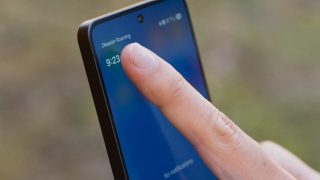




Even as emergency authorities hailed the nationwide test of the new AusAlert emergency warning system as a success, the rollout has hit an early hurdle, with Queensland opting out and the exercise exposing technical gaps that must be resolved before the system launches in October.
Authorities said the national test – which triggered a conspicuous buzzer on most mobile phones, smartwatches, tablets and Apple CarPlay or Android Auto-equipped car stereos – was broadcasted by 94 per cent of Australia’s 26,000+ mobile towers.
The Cell Broadcast technology powering AusAlert can target specific areas with an accuracy of 160 metres but can’t confirm which devices received the alerts – yet telcos advised the government that the messages were successfully sent to towers as intended.
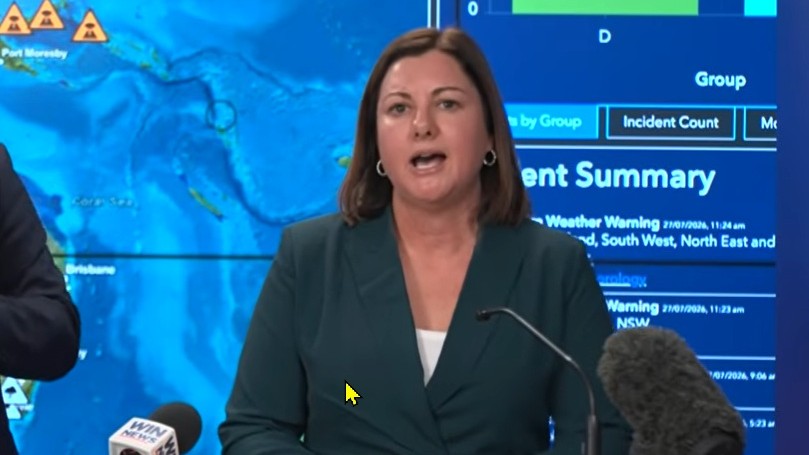
Minister for Emergency Management Kristy McBain said the 94 per cent figure – which excluded mobile towers that were shut down for maintenance or otherwise unavailable – was above the target set by the National Emergency Management Agency (NEMA).
“The test has shown AusAlert’s capability to deliver emergency warnings at pace and scale,” she said in a press conference after the test, saying AusAlert was potentially life-saving technology [and] test messages reached high numbers of mobile devices.”
NEMA “will continue to analyse the technical and performance data” and liaise with state emergency authorities, she said, thanking Australians for their support for a system that “will provide near instant alerts during local and national emergencies.”
Cataloguing AusAlert’s functionality gaps
While reports suggested citizens nationwide received the alerts as expected – a foregone conclusion given Cell Broadcast has been live in dozens of countries for years – “it also identified some gaps that need to be addressed,” La Trobe University professor of AI and analytics Daswin De Silva said.
Those gaps include lack of support for languages other than English; the lack of follow-up options “that communicate further actionable information about what needs to be done next”; and the fact that the “transient” messages may be easily missed.
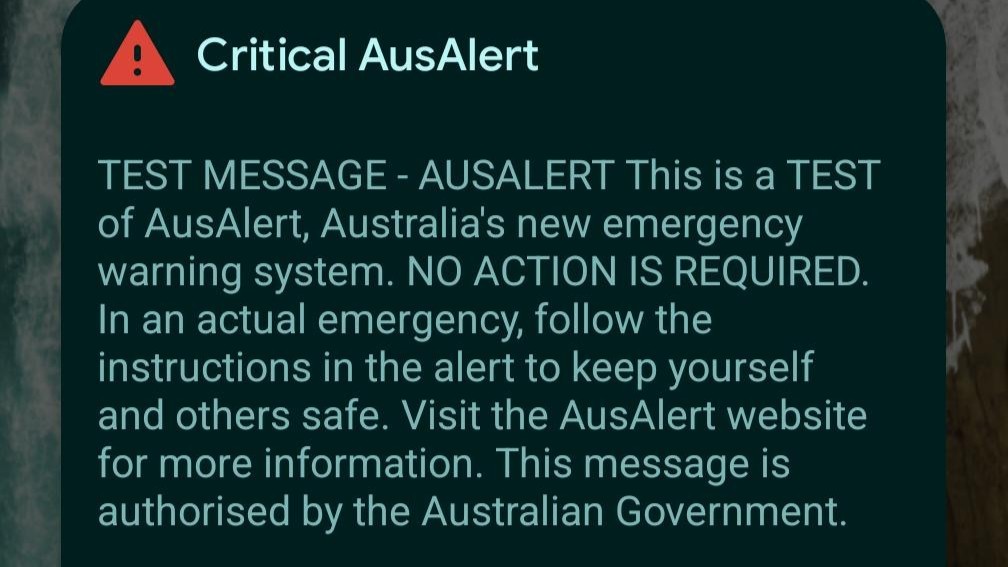
The AusAlert test message Australians received on Monday. Photo: Supplied
he loud buzzer – which caught many people off guard – “does catch attention and is serving its purpose,” De Silva said, “and it’s built into the phones, which is really good.”
“There's been some reports from different demographic groups of not being able to see the message or hear the siren,” he noted, “so those gaps also have to be addressed.”
McBain acknowledged that some people may have not received alerts, advising them “don’t worry” and noting that “this could be because you were not in a coverage area, your software was not up to date or your device was incompatible.”
The possibility that some devices wouldn’t receive the alerts was raised before the test, with Apple devices from 2019 or earlier and Android phones from before 2021 singled out as being unable to receive the AusAlert notifications.
Some 60 per cent of Australia’s 34.1 million mobile devices run Apple software and that company advised NEMA that 80 per cent of its devices can receive AusAlert, NEMA deputy coordinator-general Katarina Carroll said before the test.
Statistically, that means around 4 million Apple devices may not have received the alert – although “if you update your devices, you will more than likely get the AusAlert,” Carroll said, noting that around 15.7 million Android devices also received the alert.
“We know over time as older phones go out of the market, there will be more people that will be compatible.”
The issue echoes last year’s discovery that older phones are unable to contact Triple Zero services – an issue that has been linked to two deaths and spurred a $12 million government phone testing facility.
No thanks, says Queensland
As the first nationwide test of the technology, identification of issues with AusAlert was entirely expected and NEMA is working to address those issues before go-live in October – but Queensland authorities have passed on AusAlert for now.
Recognising that AusAlert is a work in progress, NEMA will run it in parallel with the existing Emergency Alert system, which blankets mobile phones with SMS messages and can automatically dial landline numbers to play recorded emergency warnings.
AusAlert’s lack of support for landline phones risks marginalising regional and remote residents still reliant on landline phones, Queensland Minister for Police and Emergency Services Daniel Purdie said in state Parliament last week.
“As Australia’s most disaster-prone state, we simply cannot afford to get this wrong,” Purdie said.
“If there is better technology available, we want to see it succeed, but we will not blindly support the rollout of any system until we know it will work for every Queenslander.”
NEMA is exploring options to deliver similar functionality within AusAlert, but for now Queensland Fire Department will stick with Emergency Alert for this year’s fire season, then revisit AusAlert next year.
“Every Queenslander deserves to have the confidence that they will receive a warning when lives are on the line,” Purdie said, “regardless of where they live or what device they use.”
NEMA will soon give Australians the chance to share their AusAlert experiences through an online form.