
They’re controversial and not always accurate, but the use of AI during doctor consultations is set to explode after Melbourne firm Heidi raised $480 million ($US340 million) that it will use to expand its transcription tool into an agentic "care partner" that suggests clinical decisions and takes “supervised action”.
It’s a big step for the company, whose AI-based dictation tool has found strong support amongst overworked clinicians who use it to streamline the time-consuming process of documenting patient histories, symptoms, diagnoses, and treatment plans.
Heidi has been used in more than 175 million patient encounters over 67 million hours, the company said in announcing the funding, with users in 190 countries and 110 languages that has propelled its revenues from $1.4 million to $71 million in two years.
Empowered by integrations with doctors’ clinical systems and growing patient understanding of their use, Heidi is eyeing broader engagement as a multifaceted clinical support tool that could even tap its knowledge base to recommend treatments.
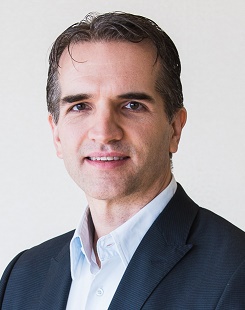
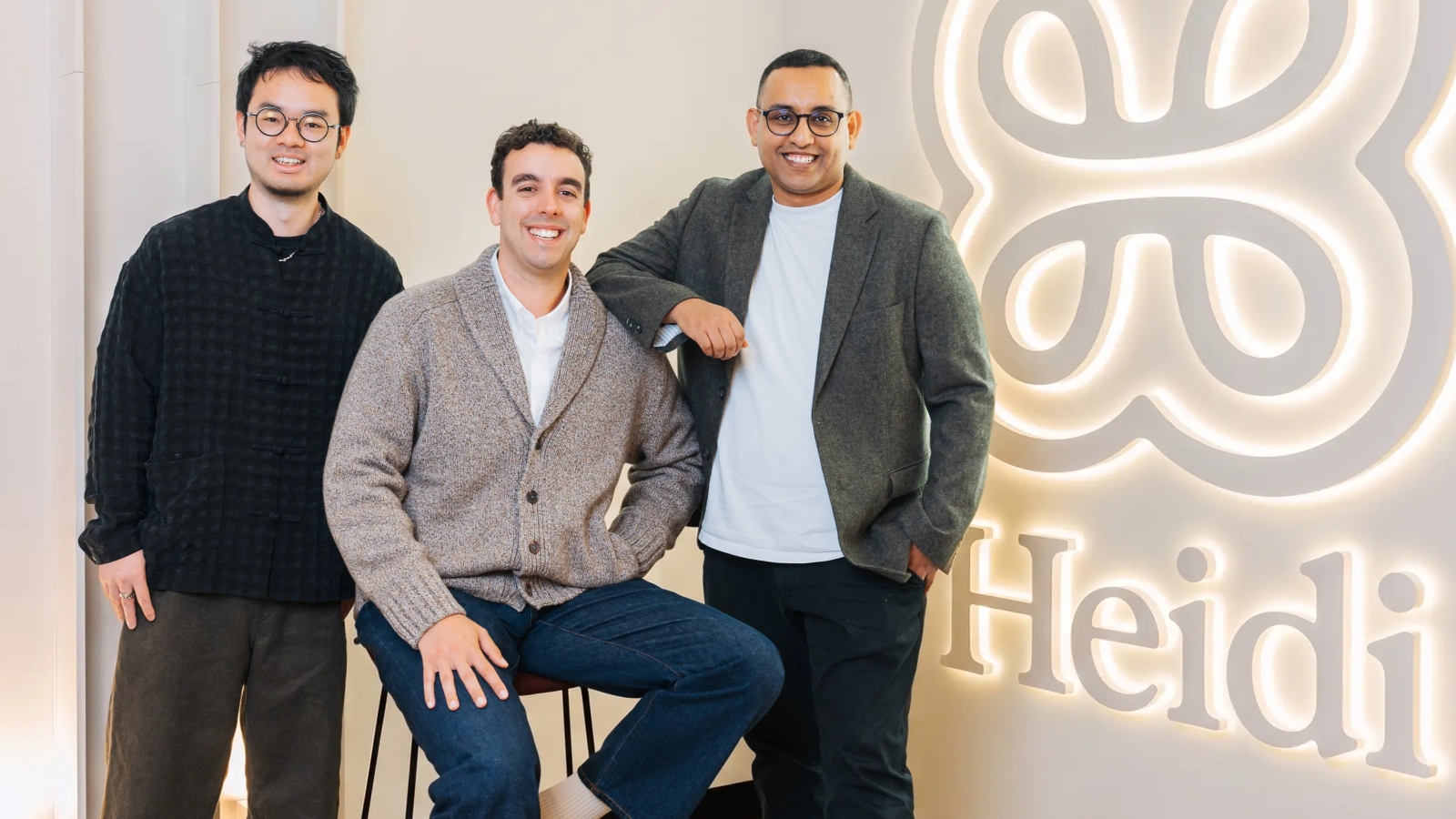
“From the day I started Heidi, the ambition was always bigger than writing doctor’s notes,” said co-founder and CEO Dr Thomas Kelly, who said he “imagined that AI would sit alongside clinicians and complete real work under their supervision.”
“That’s the shift we’re now making: from documenting care to helping clinicians act on it,” he said.
Rather than using commercial frontier AI platforms, Heidi mostly runs on proprietary clinical AI technologies that, it said, give it “the flexibility to use the right approach for each clinical task rather than defaulting to the largest available system.”
AI is listening, whether you like it or not
Heidi’s rapid growth reflects growing market enthusiasm for AI medical scribes, which promise clinical rigour in a market where patients and doctors are already using generative AI frontier models to analyse symptoms and recommend treatments.
Heidi’s latest Series C funding round has boosted the company’s valuation to $1.27 billion ($US900 million), bringing it within cooee of becoming Australia’s latest tech unicorn – typically defined as a startup company valued at $US1 billion or more.
“The healthcare deficit won’t be solved with generic AI solutions that clinicians ignore,” said Michael Tolo, general partner with Series C lead Blackbird, adding that “Heidi invested early in deeply understanding what clinicians want, building its own models and training capability to deliver this.”
Yet Heidi’s success depends on allowing the platform to record and process the minute details of often personal, intimate, and distressing medical consultations – a requirement that has led to conflict when doctors demand its use and patients object.
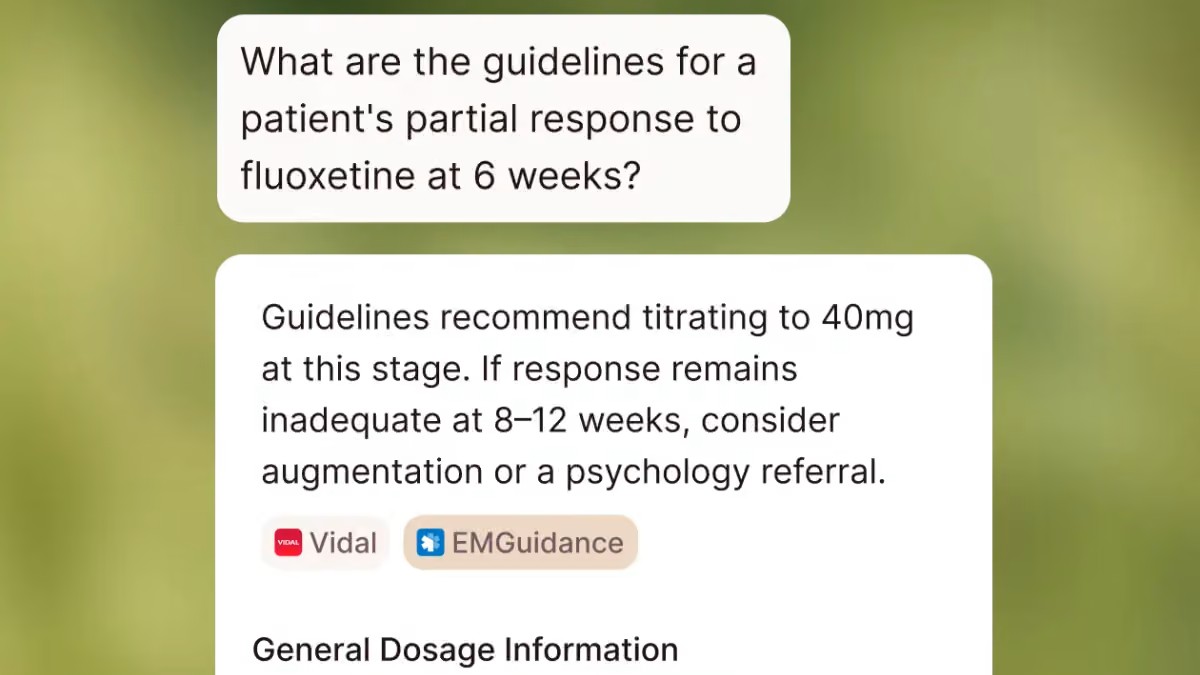
Heidi's AI already transcribes appointments and provides medical reference information. Image: Heidi
The Royal Australian College of General Practitioners (RACGP) has said over 40 per cent of GPs are using AI scribes, with some said to be recording without explicit patient consent – a practice specifically banned in the RACGP’s newly updated general practice standards.
“AI agents making health decisions is worrying,” Digital Rights Watch (DRW) said about Heidi’s plans, warning “Australians would be treated like guinea pigs to test these AI agents because policymakers haven’t properly protected patients from corporations using us this way.”
Given sensitive patient and healthcare data, DRW warned AI agents “will inevitably do things that the developers don’t expect and haven’t tested” – a problem already being seen in cybersecurity breaches, including recent attacks on four government websites.
“The government can no longer pay AI scribe tools scant regard,” said DRW head of policy Tom Sulston, calling for “high-quality and rights-respecting” agents and “concrete measures to compel the corporations selling them to demonstrate accountability for the quality of their products.”
Questions of accuracy, privacy persist
While Heidi’s local deployments focus on streamlining doctors’ clinical record taking, there are concerns about plans to turn passive notetakers tools into AI platforms that make clinical recommendations and potentially one day record video.
A recent Australian study found while AI scribes had “comparable or superior performance to human documentation”, there were significant variations in accuracy, thoroughness, succinctness, and freedom from hallucination.
Another recent evaluation of AI scribes found their output “consistently lower in quality than those produced by human clinicians,” while another assessed 7,545 AI-generated clinic notes and found accidental omissions, hallucinations, and accidental inclusions common.
“The danger is that an AI-generated note can read cleanly and confidently while still being incomplete,” Ditto Transcripts CEO Ben Walker said in response to that research.
“A misspelt term may attract attention immediately,” he added, “[but] a missing medication instruction, symptom, test or follow-up plan may not – and that makes omissions particularly easy to overlook.”