



Tesla has cancelled plans to sell its polarising Cybertruck in Australia and New Zealand, after hopeful locals who paid deposits to secure the electric ute spent years waiting for news of its arrival.
The Elon Musk-led company began contacting affected customers last week, informing them that their reservations had been cancelled and their $150 deposits would be returned.
A Tesla spokesperson would not confirm why the EV-maker decided to ditch the Cybertruck for Australia and New Zealand, but said the firm had made the decision following "careful consideration".
"We understand this will be disappointing for many, and we appreciate our customers' understanding," they told Information Age.
"We remain focused on the road ahead for Tesla in Australia and New Zealand, including Full Self-Driving (Supervised) and the recently launched Model 3 Rear-Wheel Drive."
Customers who made reservations for Cybertrucks would be contacted directly, with full refunds of any remaining deposits to be processed "within 30 days of confirmation", they added.
"We thank these customers for their early support," they said.
"Customers with a cancelled reservation will be offered a complimentary one-year Full Self-Driving (Supervised) subscription when they order a new Model 3 or Model Y, applied after delivery."
An Australian reservation page was reportedly removed from Tesla's website in mid-2022, but deposits were not automatically refunded.
Tesla had even shown off the Cybertruck at several Australian automotive roadshows in recent years, where the company also signed up prospective buyers to receive alerts about potential future availability.
Cybertruck's high prices and low sales
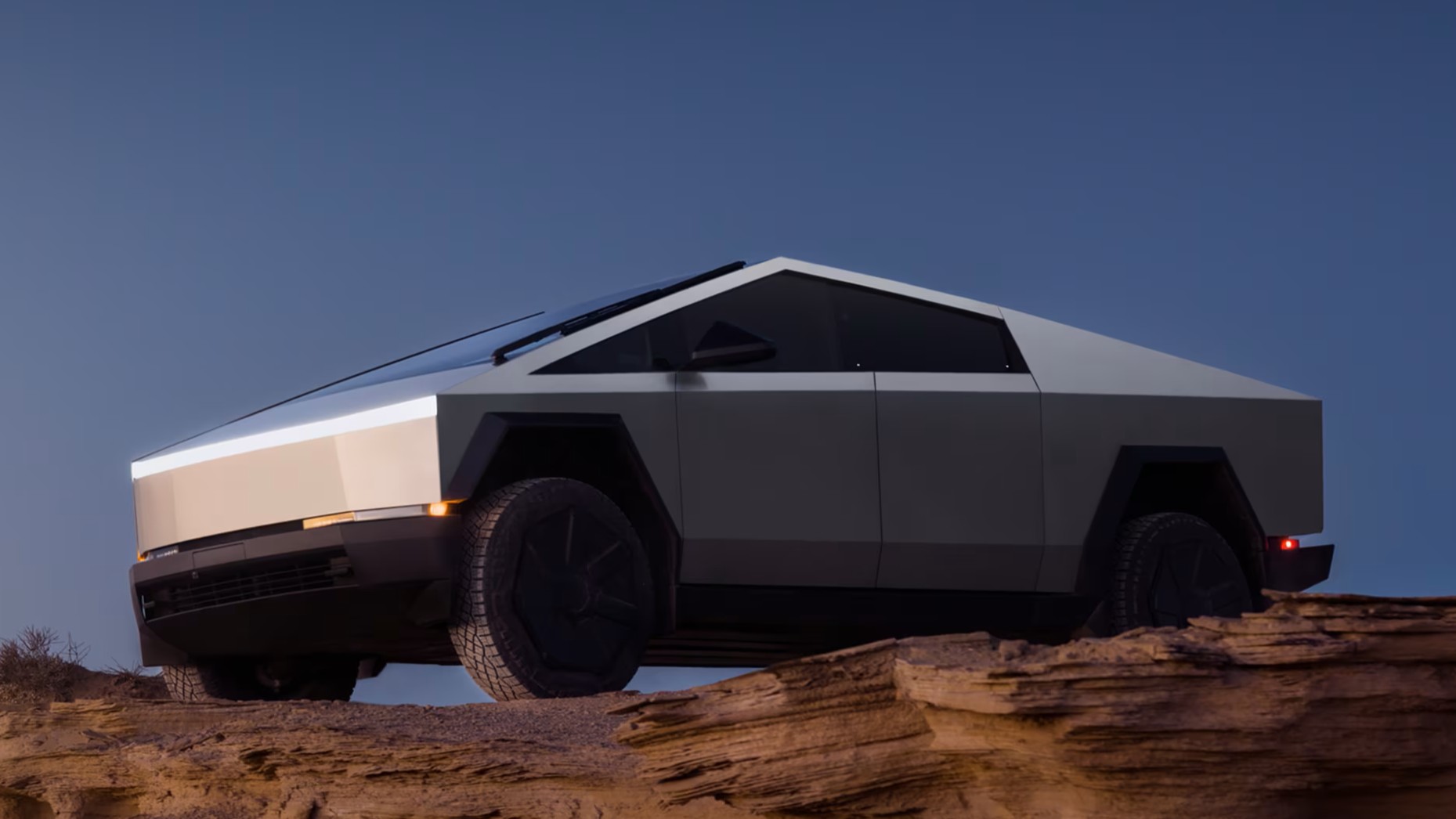
The Cybertruck, whose boxy and sharp design divided opinions after it was announced in late 2019, has not met Tesla's sales targets in the United States, where buyers have also faced several safety recalls.
The vehicle entered production in late 2023, and Musk hoped to produce and sell 250,000 Cybertrucks per year by 2025.
Tesla says it has capacity to build more than 125,000 Cybertrucks per year, but this is well above current demand, and only a few thousand are produced every quarter.
While Tesla does not publicly detail how many Cybertrucks it sells, broad figures released by the company earlier this month suggest it only sold a few thousand Cybertrucks in the third quarter of 2026.
The company delivered more than 475,000 Model 3 and Model Y vehicles in the quarter, it said, but just over 8,000 "other models" – understood to include the Cybertruck, the Tesla Semi truck, and Tesla's discontinued Series S and Series X cars.
The Cybertruck starts at around $US80,000 (around $115,000) in the US, while the top-of-the-line 'Cyberbeast' variant retails from almost $US100,000 (around $140,000), making it more expensive than many other utes.
Tesla would also have reportedly needed to redesign parts of the Cybertruck for the Australian market in order to abide by the Australian Design Rules, including shifting the vehicle to right-hand drive.
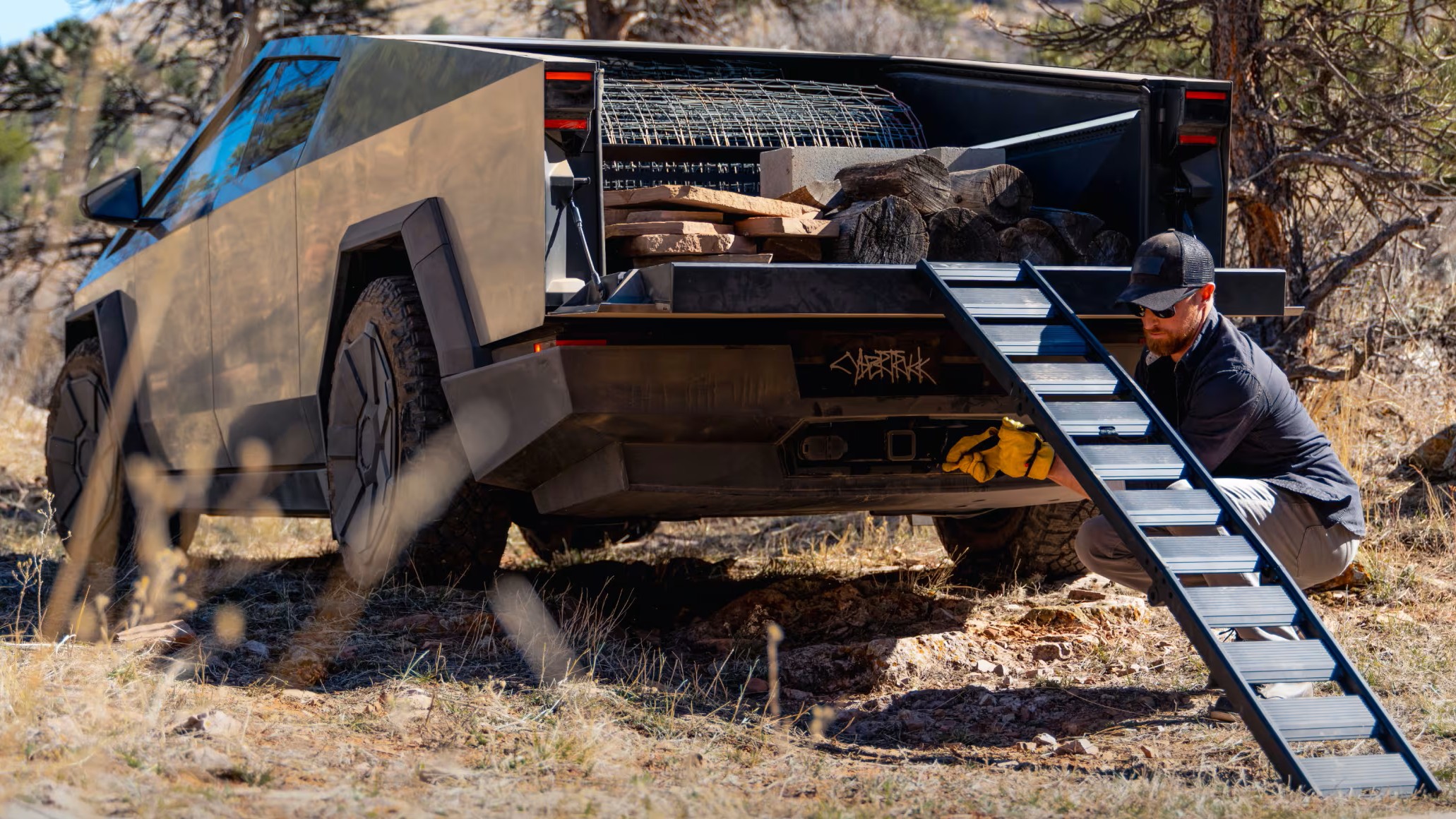
Tesla only sells a few thousand Cybertrucks each financial quarter. Image: Tesla
Tesla Roadster also unlikely for Australia
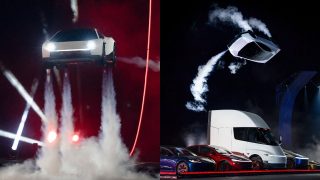
Tesla's long-delayed second-generation Roadster sportscar, which the company unveiled in a series of brief flying stunts earlier this month, is also unlikely to be made available in Australia.
While the car is expected to enter production in 2028, Tesla has confirmed it will be a left-hand drive vehicle – which would rule out availability in countries such as Australia, New Zealand, Japan, India, and the United Kingdom.
Tesla is taking deposits of up to $US250,000 ($360,000) for its next Roadster, but is yet to confirm total prices for each variant of the car.
The company is currently touring its autonomous Cybercab around its Australian showrooms, but has yet to confirm whether its robotaxi will be tested or made available on Australian roads.
If the Cybercab were to launch Down Under, it would join a nascent robotaxi sector in Australia which is already being eyed off by Google's Waymo service.