





Labor's proposed 'digital duty of care' laws could force online platforms to carry out further age assurance checks and block under-18s from accessing email, messaging, and file storage services, Google told a Senate inquiry on Monday.
The government's new online safety laws, which passed the House of Representatives in late October, would require many online services, platforms, and websites to take steps to actively protect users, including children, from harmful content and design features.
A spokesperson for Google told the inquiry that the company is concerned the bill's age assurance provisions could require it to check the ages of Australian users and block under-18s from "everyday communication services like messaging, email, and private file storage" to prevent children from accessing pornography or fetish material.
Rachel Lord, the senior manager of government affairs and public policy for Google's video platform YouTube, told the committee, "We think that provision should be limited to those services with a sole or predominant purpose of disseminating pornography, to make that a more targeted and proportionate measure."
Google is "concerned" that the bill before parliament removes privacy as a consideration for services when evaluating whether they comply with the digital duty of care, said Lord, who is married to Liberal Senator Dave Sharma.
"We think it's important that people have an express and recognised right to privacy, particularly when we are talking about potentially intrusive monitoring within private communications or file storage," she told the committee, echoing a written submission Google made to the inquiry on 30 October.
While Google understands "the intent" behind age-related elements of the bill, the technology giant believes it is "important to clarify for a service like ours that when it comes to private communications and private file storage, there is not an expectation that we will be age assuring those users and blocking access to under-18s", Lord suggested.
US tech lobby group the Computer and Communications Industry Association (CCIA), which represents the likes of Google, Meta, and Amazon, also argued in its submission to the inquiry in late October that a digital duty of care would incentivise platforms "to verify the ages of all users to mitigate litigation risk".
This would require "the collection of additional sensitive information from both minors and adults", said CCIA, which suggested that maintaining user privacy in such circumstances "can be enormously challenging".
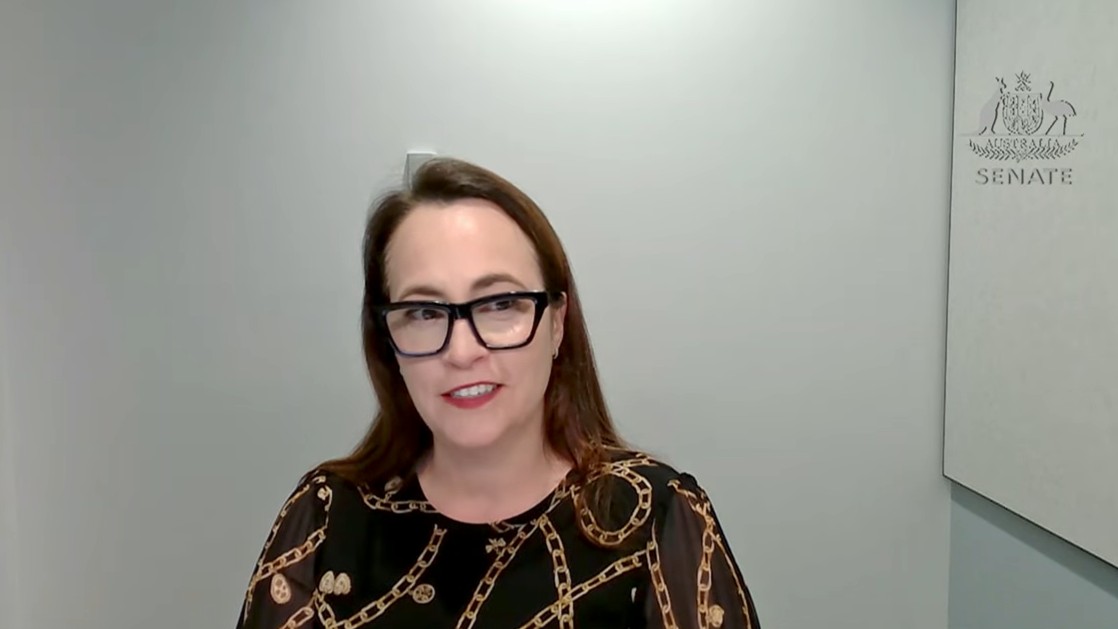
YouTube's senior manager of government affairs and public policy Rachel Lord speaks before the committee via video link. Image: Parliament House / YouTube
IT staff must be 'empowered' to support duty of care, inquiry told
The digital duty of care would require affected platforms to carry out a written risk assessment of their content and design features at least annually.
The Australian Computer Society (ACS), which represents technology workers, told Monday's hearing that while it is supportive of the government's bill, it believes such risk assessments should be carried out by certified individuals.
ACS policy advisor Casey Tonkin said the organisation believes workers should be "empowered" to conduct risk assessments through certification of their skills against industry standards, to make sure such assessments are done correctly.
This would help to make sure such assessments are "not just a box-ticking exercise but the kind of thing that is done by a professional who is technically capable and able to do so", he suggested.
"We would also like there to be a senior accountable officer, someone who is resident in Australia who is accountable for the conducting of those risk assessments and ensuring that the quality of them meets recognised international professional standards for technical competence and risk assessment," Tonkin said.
While ACS recommends high-risk platforms such as social media services and generative AI platforms allow third-party experts to conduct their risk assessments, smaller companies or platforms could be supported to do it internally if they "can demonstrate that the person has the skills to do so", Tonkin added.
"For smaller, lower risk providers, there can be guidance, there can be templates and mechanisms to make it easier to ensure they have competent risk assessments done," he said.
Smaller businesses would not necessarily need to hire an external expert, as existing staff could be upskilled to carry out risk assessments, added Tonkin, who acknowledged that businesses face a "growing number of legislative obligations" online.
The core requirements of the digital duty of care would begin 12 months after being passed and given Royal Assent, and would replace the existing industry code framework which has been used to oversee services such as search engines and pornographic websites.
This transition period should be used to build an assessor workforce "so smaller, lower-risk services are not caught in an assessment bottleneck", ACS suggested in its submission to the inquiry.
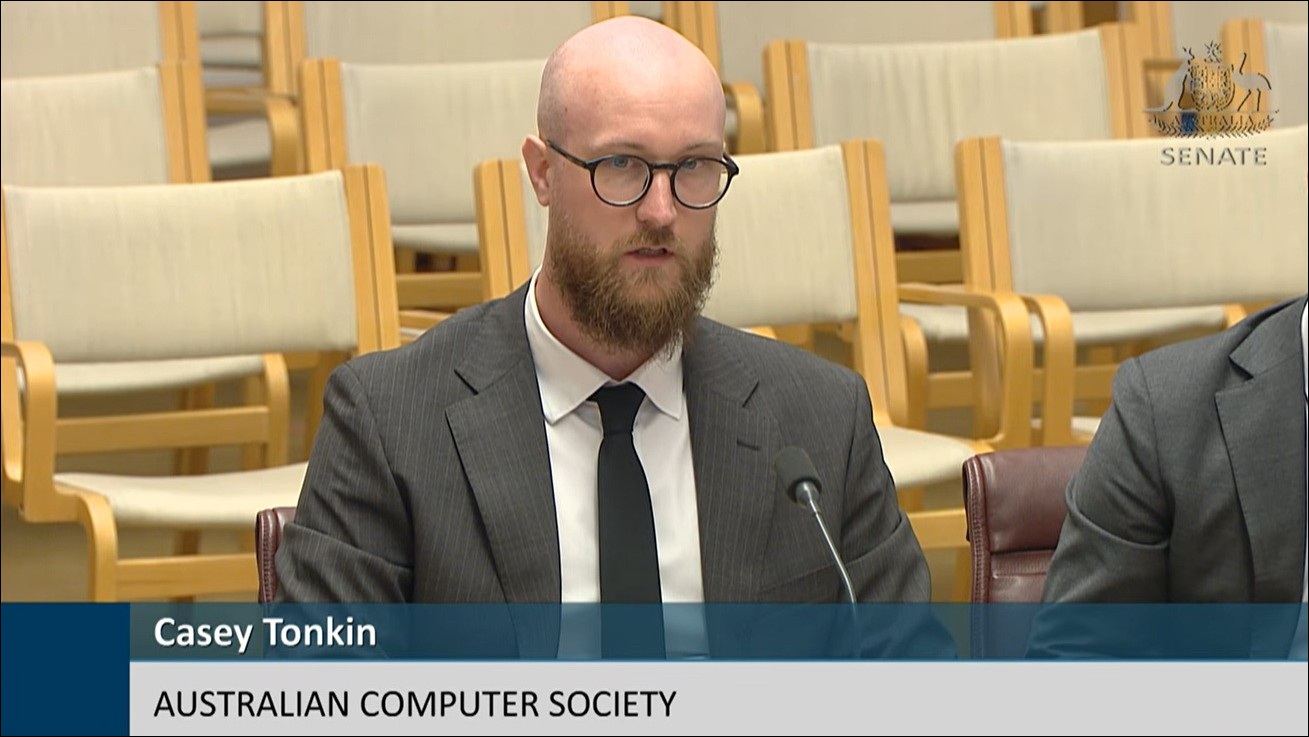
ACS policy advisor Casey Tonkin speaks before the Senate inquiry in Canberra. Image: Parliament House / YouTube
Government seeks Greens' support
The federal government ramped up its plans for a digital duty of care in late 2025, just as its controversial social media ban for Australians aged under 16 came into effect.
Draft legislation released by Labor in September 2026 would also amend the Online Safety Act to allow Australians to opt out of algorithmic social media feeds.
Breaches of the law would lead to fines of up to $109.2 million.
The government has suggested it will consider a Greens proposal for the digital duty of care bill to allow individuals a so-called 'private right of action' to sue technology companies for online harms, like in some overseas jurisdictions.
Labor is seeking support from the Greens as the bill has been opposed by the Coalition, which has suggested the laws may allow the communications minister and regulators such as the eSafety commissioner to "censor social media" and limit free speech.
The government has removed proposed ministerial powers to designate additional harms in the laws, following opposition from the Coalition.
The Senate inquiry examining the bill is due to hand down its report by 20 November.
ACS is the publisher of Information Age.