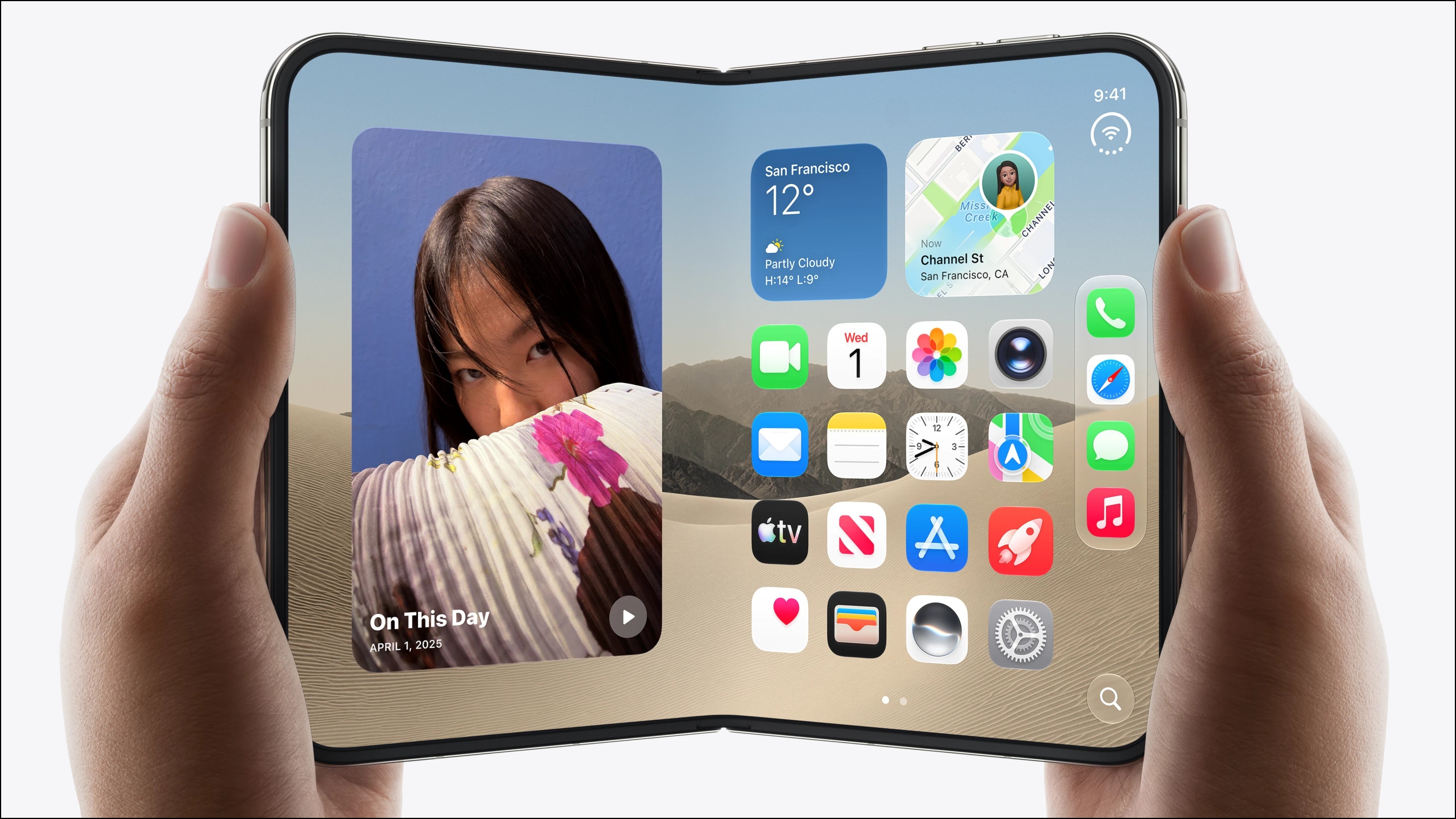

Apple raised prices across its new and existing iPhone models on Thursday, while unveiling the iPhone 18 Pro, iPhone 18 Pro Max and its first foldable smartphone, the iPhone Duo.
The company's highly anticipated iPhone Duo will start at $3,499 for 256GB of storage in Australia, and cost a maximum of $5,899 for 2TB of storage.
Available in Australia from Friday, 23 October, the device features a 5.4-inch outer display and a 7.6-inch inner display when opened.
It has dual batteries, an under-display selfie camera, dual rear cameras, a vapour chamber cooling system, and Apple's new A20 Pro chip, the company said.
Australian buyers will pay a premium of around 25 per cent compared to those in the United States, where the iPhone Duo starts from $US1,999 (around $2,800).
Despite its premium price tag, technology analysts have suggested a foldable iPhone could help push foldable smartphones closer to the mainstream.
The iPhone Duo joins a product category already occupied by the likes of Samsung, Google, Motorola, and many Chinese brands, and which currently occupies only 5 per cent of the Australian smartphone market due to higher prices and concerns over screen creases and hinge durability.
Apple's new CEO and former hardware executive John Ternus, who led Thursday's announcements after taking over from former CEO Tim Cook earlier this month, said other companies had created foldables "that just feel like two phones awkwardly stuck together".
Apple had set about to "redefine the experience of using a foldable phone", he said.
Price rises for iPhones new and old
Apple's new iPhone 18 Pro starts from $2,099 for 256GB of storage, up 5 per cent compared to its predecessor the iPhone 17 Pro, which started at $1,999 in Australia.
The iPhone 18 Pro Max starts at $2,299 for 256GB of storage, also up almost 5 per cent on its predecessor the iPhone 17 Pro Max.
Both the iPhone 18 Pro and Pro Max gain Apple's A20 Pro chip, an updated vapour chamber, and a variable aperture camera, with availability from Friday, 18 September.
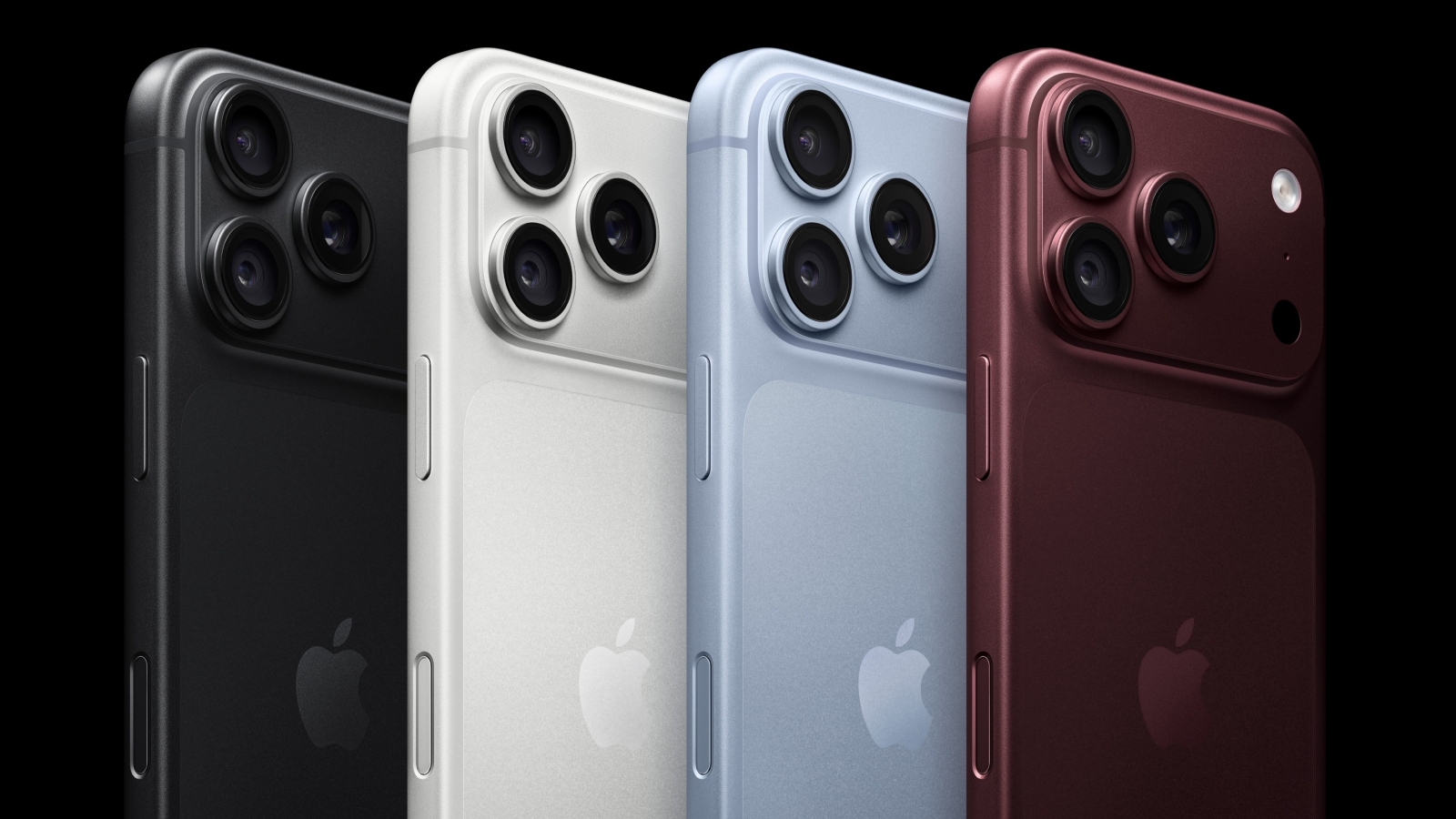
Apple's iPhone 18 Pro and iPhone 18 Pro Max will come in four colours. Image: Apple / Supplied
Apple also quietly raised prices on its existing models, including the iPhone 17, iPhone 17e, and iPhone Air.
The company's latest budget model, the iPhone 17e, saw the largest percentage increase, rising 15 per cent from $999 to $1,149.
The starting price of the base iPhone 17 rose 11 per cent from $1,399 to $1,549, with Apple not expected to announce the new base iPhone 18 until early 2027.
The iPhone Air, which has seen significant discounts at non-Apple retailers due to lower sales, has also seen a 5 per cent starting price rise at Apple Stores, rising from $1,799 to $1,899.
Even the iPhone 16, which Apple still sells, saw an 8 per cent price increase from $1,249 to $1,349.
Apple's increases to iPhone prices come after the likes of Samsung and Google raised the starting prices of their flagship smartphones earlier this year, amid the rising cost of memory chips.
Apple itself raised prices for its Macs, iPads, and some other devices in June, after the company warned rising costs meant price increases were "unavoidable".

Apple's new CEO John Ternus led the company's product announcements for the first time on Thursday. Image: Apple / YouTube
Slight price drops for Apple Watch
While iPhone prices have risen, Apple reduced the starting prices of its newest Apple Watches in Australia – but not in the US.
Apple Watch Series 12 will start at $649 in Australia, down 4 per cent from Apple Watch Series 11's $679 starting price.
The premium Apple Watch Ultra 4 will start at $1,349, down almost 4 per cent from the Ultra 3's $1,399 starting price.
Both new models will be released in Australia on Friday, 18 September.
Apple also unveiled new AirPods 5 earphones on Thursday, but did not announce the camera-equipped AirPods it accidentally leaked last month.
The company's next major operating system software updates will be released on 15 September, and will include a long-awaited AI overhaul of Apple's personal assistant Siri on recent devices.



,%20john%20ternus%20(right)%20hello%20apple%20instagram.jpg.transform/320x180/img.jpg)