
Google unveiled its Pixel 11 line of smartphones on Thursday, increasing the starting cost of its latest devices in Australia and many other regions, and reducing RAM on some models as memory chip shortages continue to bite.
While Google raised the starting prices of its Pixel 11 phones compared to their Pixel 10 predecessors, the company also increased base storage on some devices to make 256GB the new standard across its lineup, following similar moves by Apple and Samsung.
However, Google has reduced how much RAM – the temporary Random Access Memory used in processing and multitasking – is built into some of its phones, amid rising costs for such parts.
Google's premium Pixel 11 Pro will start from $1,849 in Australia for 256GB of storage – up 9 per cent on the Pixel 10 Pro's starting price of $1,699 for 128GB of storage, but the same cost as its 256GB predecessor.
Despite this starting price increase, the base 256GB versions of the Pixel 11 Pro and the larger Pixel 11 Pro XL will have 12GB of RAM, down from the 16GB seen in their precursors.
Only the more expensive 512GB and 1TB versions of the Pixel 11 Pro and Pixel 11 Pro XL will receive 16GB of RAM, with the Pixel 11 Pro XL seeing price increases of $100 across its three storage configurations compared to last year's models.
Google's new folding phone the Pixel 11 Pro Fold will start from $2,799 in Australia, up $100 on its predecessor with the same 256GB of storage and 16GB of RAM, but the version with 1TB of storage has been dropped from the lineup this year.
The company's new base Pixel 11 model starts at $1,499 – up 11 per cent from the Pixel 10 – but now starts with 256GB of storage and the same 12GB of RAM.
Google's new Pixel Watch 5 has also seen a price increase compared to its predecessor, and starts from $649 instead of the Pixel Watch 4's $579.
The Pixel 11 series and Pixel Watch 5 will be available globally from 20 August.
Budget model the Pixel 11a, the successor to Google's Pixel 10a, is expected to be released in 2027.
Google calls RAM shortage 'severe'
Google is "aggressively engineering" its way through the technology industry's memory chip shortage, a company spokesperson reportedly told Engadget.
"The tech industry is navigating a severe, supplier-driven RAM shortage and we will need to adjust Pixel 11 pricing and RAM configurations to mitigate this while delivering maximum value for our customers," it said in a statement.
"... Pixel's full stack approach allows us to optimise the way on-device [AI] models load and execute, keeping our hardware lean, fast, and highly responsive."
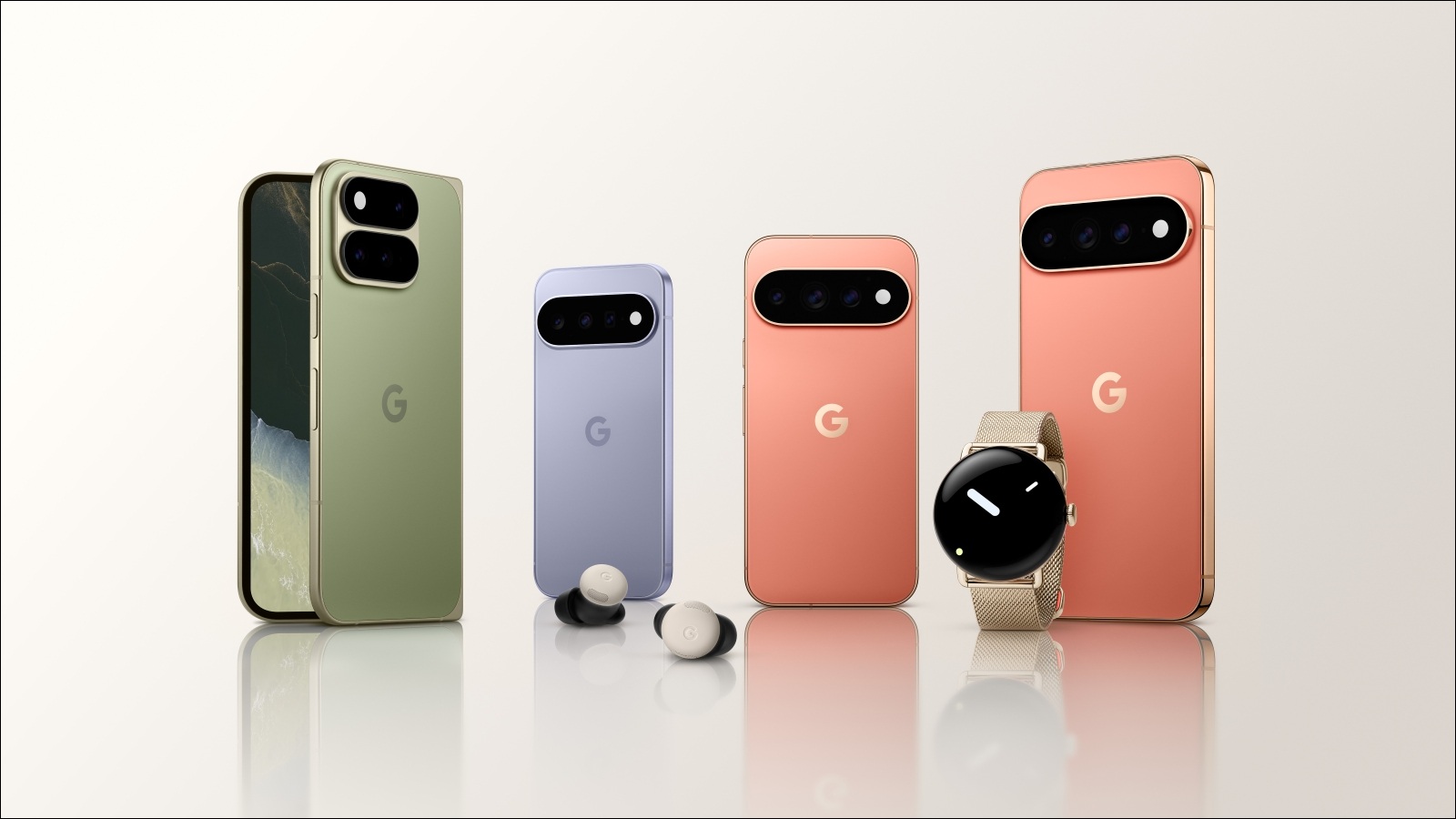
Google's Pixel 11 lineup launches on 20 August, 2026. Image: Google / Supplied
Numerous technology companies have raised the prices of their devices in recent months amid a spike in demand for memory chips largely caused by firms (including Google) buying up RAM for use in AI and data centres.
Google reportedly warned US media in July that pricing "adjustments" were planned for its upcoming hardware products, after Apple issued a similar warning before raising prices in June for its Macs, iPads, and some other devices.
iPhone prices expected to rise
Apple is also expected to raise prices on its iPhone 18 Pro and Pro Max devices, which are set to be announced in September alongside the company's rumoured first foldable iPhone, reportedly called the iPhone Ultra.
While Apple's first foldable is expected to cost upwards of $3,000 in Australia, the firm is expected to raise the starting prices of its Pro and Pro Max devices, which it currently sells from $1,999 and $2,199 respectively.
CEO Tim Cook told US media in June that the surging cost of memory and storage chips had “become unsustainable”, and suggested price increases were "unavoidable”.
Apple's upcoming product event is expected to be the first hosted by incoming CEO John Ternus, who takes over the role at the end of August when Cook steps down after 15 years in the job.
The company is reportedly eyeing early 2027 to release iPhone 18 and iPhone 18e models, as well as a successor to the original iPhone Air, instead of releasing most of its new devices in September as it has done in previous years.